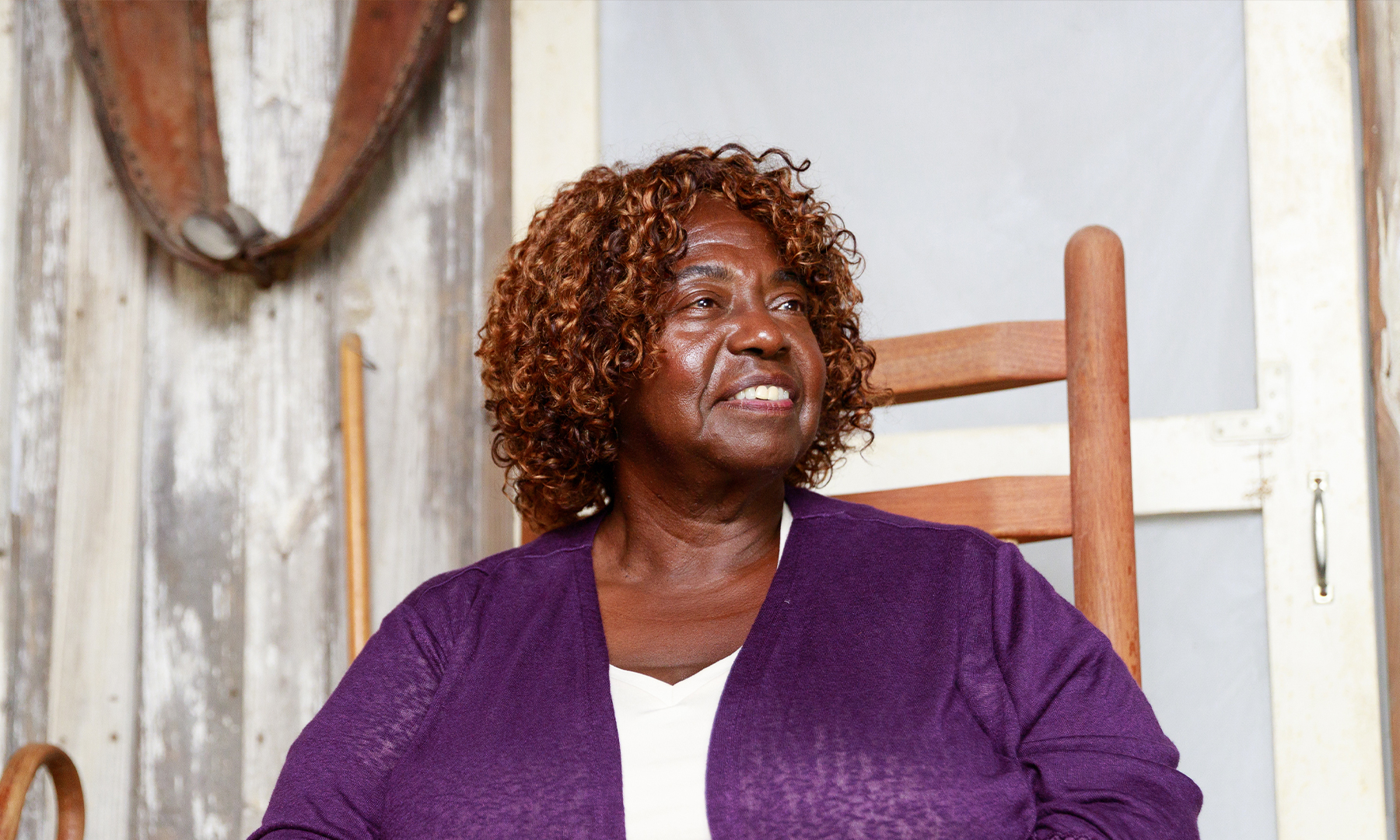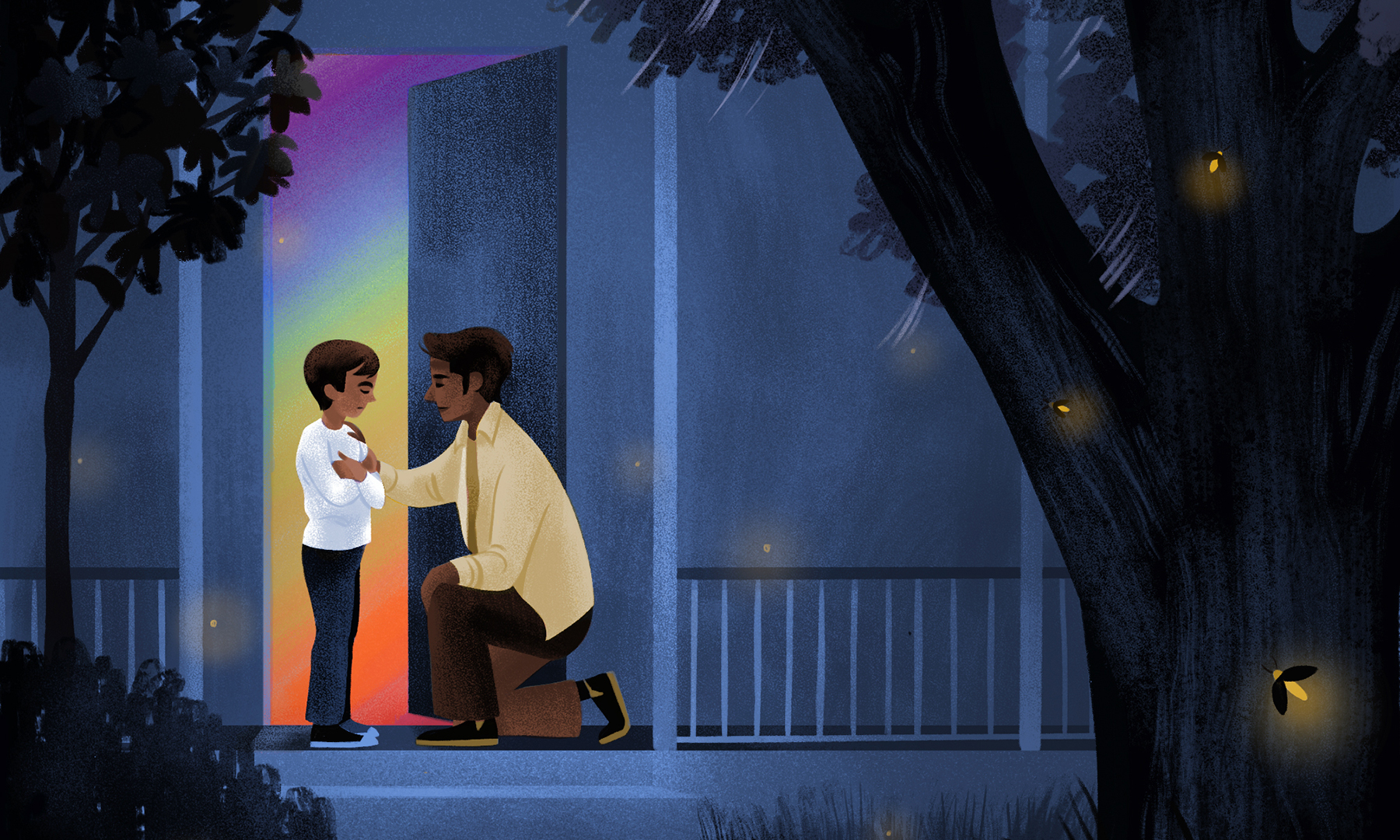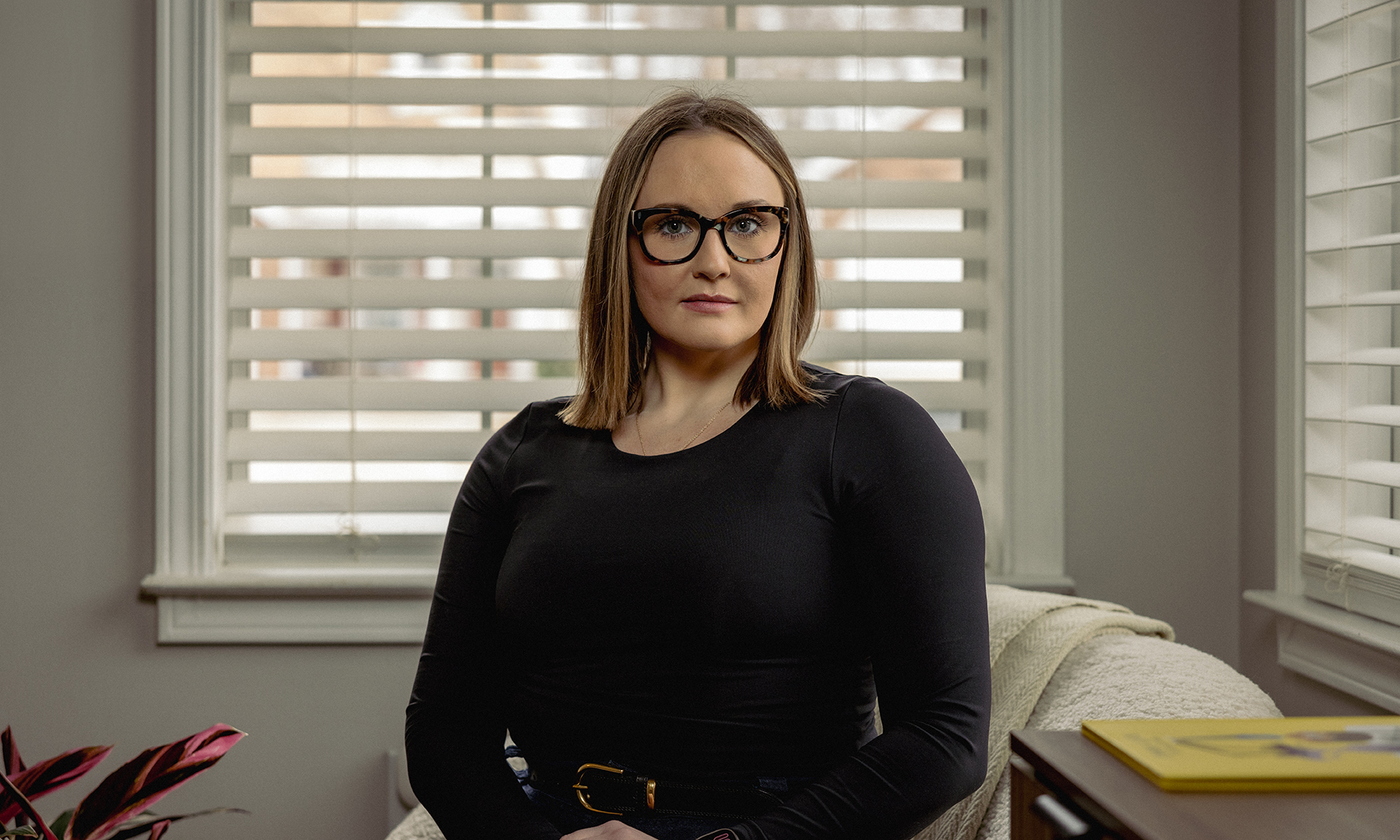
Katie Rinderle taught for over a decade in Cobb County, Georgia. In 2023, she was fired for reading the illustrated children’s book My Shadow Is Purple by Scott Stuart to her fifth-grade class – a book her students had selected. Rinderle recently took time for a conversation with Learning for Justice to give us a glimpse into the heart of a committed educator.
Tell us what teaching means to you.
From a young age, I’ve believed in the power of education as a pathway to freedom in a world where injustice and inequity persist. When I first stepped into the classroom, I understood that being an educator meant igniting a fire within each student.
For over 10 years, my classroom has been a space where children discover their voices, become critical thinkers, grow in empathy and learn to actively engage with society. This safe, student-centered space for learning has been the heart from where I teach.
Being a teacher means getting to know each student, understanding their unique backgrounds and inspiring them to love learning and personal growth. I strongly believe in every student’s potential to make a positive impact on society. But it’s not a one-person show. Creating an environment where children thrive demands a collective approach within the classroom setting, and it is our greatest responsibility as educators to create welcoming spaces that amplify diverse voices and support the whole child physically, mentally, emotionally, socially and academically.
What values guide you as an educator?
When I look into my students’ eyes, I see their unique strengths and qualities – their creativity, imagination and intelligence. They are a rainforest of potential.
My primary goal is to support and guide students toward success while being deeply aware of the societal challenges they face. I listen to their experiences with racism, homophobia, transphobia, xenophobia, bullying and other forms of discrimination. I want them to value each other and see how they can be agents of positive change.
Education is an ongoing journey of self-discovery. My role is to help students understand the world and their place in it, encouraging them to think independently and develop their own perspectives. Through engaging in dialogue with their peers, analyzing various resources, and questioning everything, including me, they experience the most powerful and authentic learning – the kind that transforms both students and teachers alike.
By honoring their identities and teaching from culturally sustaining and inclusive perspectives, we create a nurturing environment where students feel a deep sense of belonging and connection. This approach promotes overall well-being, builds empathy and understanding, addresses root causes of violence, and prevents social isolation and bullying.
When I look into my students’ eyes, I see their unique strengths and qualities – their creativity, imagination and intelligence. They are a rainforest of potential. I teach to provide a safe space where they are not just accepted but celebrated for everything that makes them special and unique, exactly the person they are meant to be.
In reflecting on recent events, what would you share with families and other educators?
I became an educator because I believe education can create meaningful change. To me, teaching is a verb, an act of love, justice and empowerment.
Today’s education system can feel like a dystopian novel, but we must acknowledge reality with courage. We are in an era of transformation, a time of profound and necessary change. We must not only envision the type of learning experience we want for our children and families, but we must also actively question injustice and work for positive change to ensure every child has the opportunity to thrive.
Learn more:
“Georgia Teacher Fired for Reading Children’s Book About Acceptance in Class” by Rhonda Sonnenberg