
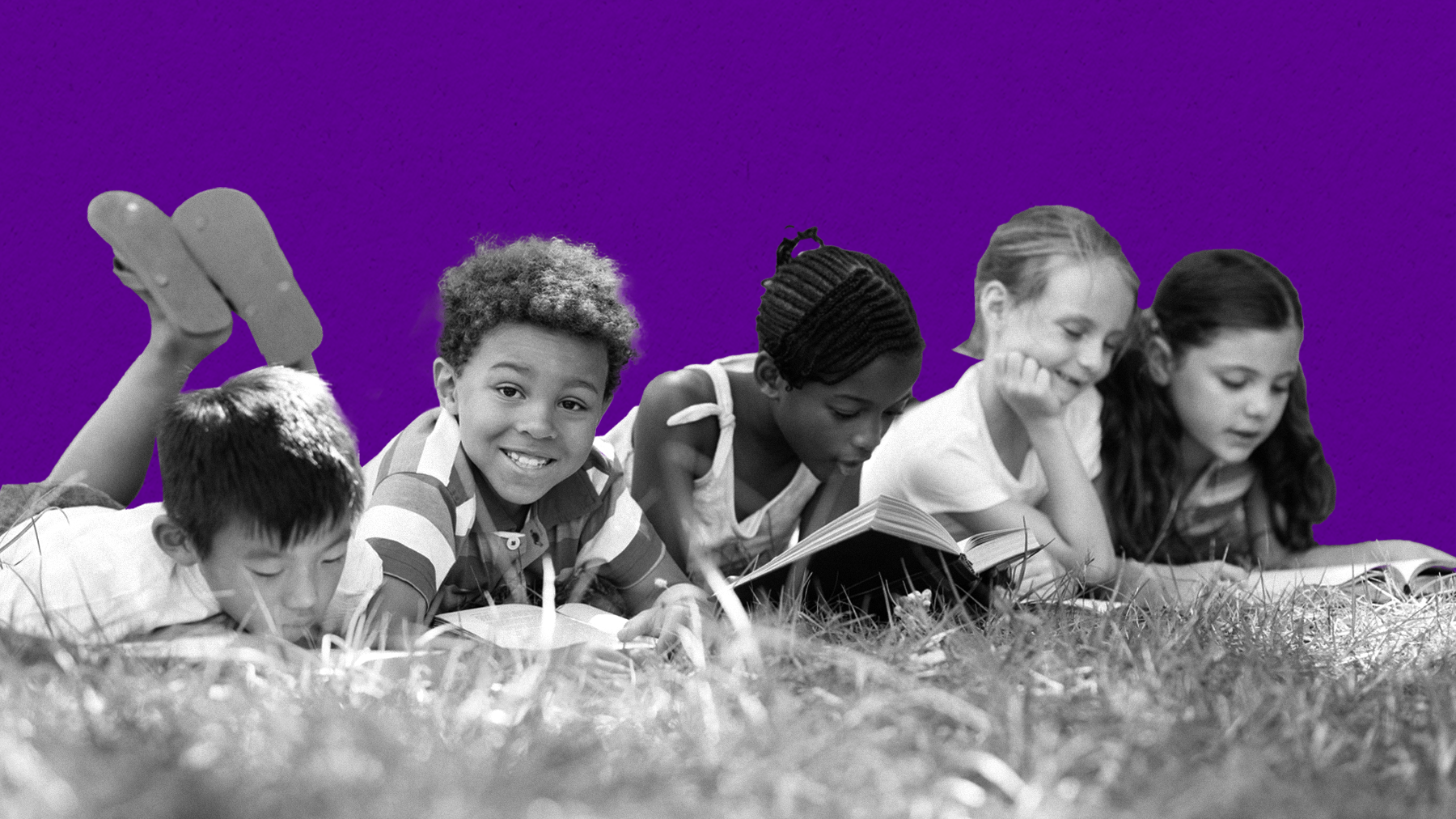
Conversations about commonalities across cultures can help children build empathy and understand identity and diversity. This learning journey is designed from a previously published article and offers conversation points and activities for children and families.
Identity and Commonalities
To set the stage for discussing diverse cultures, help children develop a strong sense of self and identity while recognizing and honoring diversity in the world. Emphasize that our differences make us special, and the world is better when we embrace our diversity. Because we are different, we find space for new thoughts and ideas and opportunities to appreciate diverse ways of being and living.
Our similarities allow us to connect as families, friends and communities. These similarities are recognized in various ways. Many people who seem very different share many similarities. Our differences should not keep us from also finding our similarities.
Emphasize that we have multiple identities. We are sometimes known by our race and the color of our skin, or by our gender, our family names, or even the groups and clubs we belong to. It’s OK to be proud of our many identities. It is not OK to hurt others because of their identities.
Encourage and support children to express pride, confidence and healthy self-esteem without denying the value and dignity of other people.
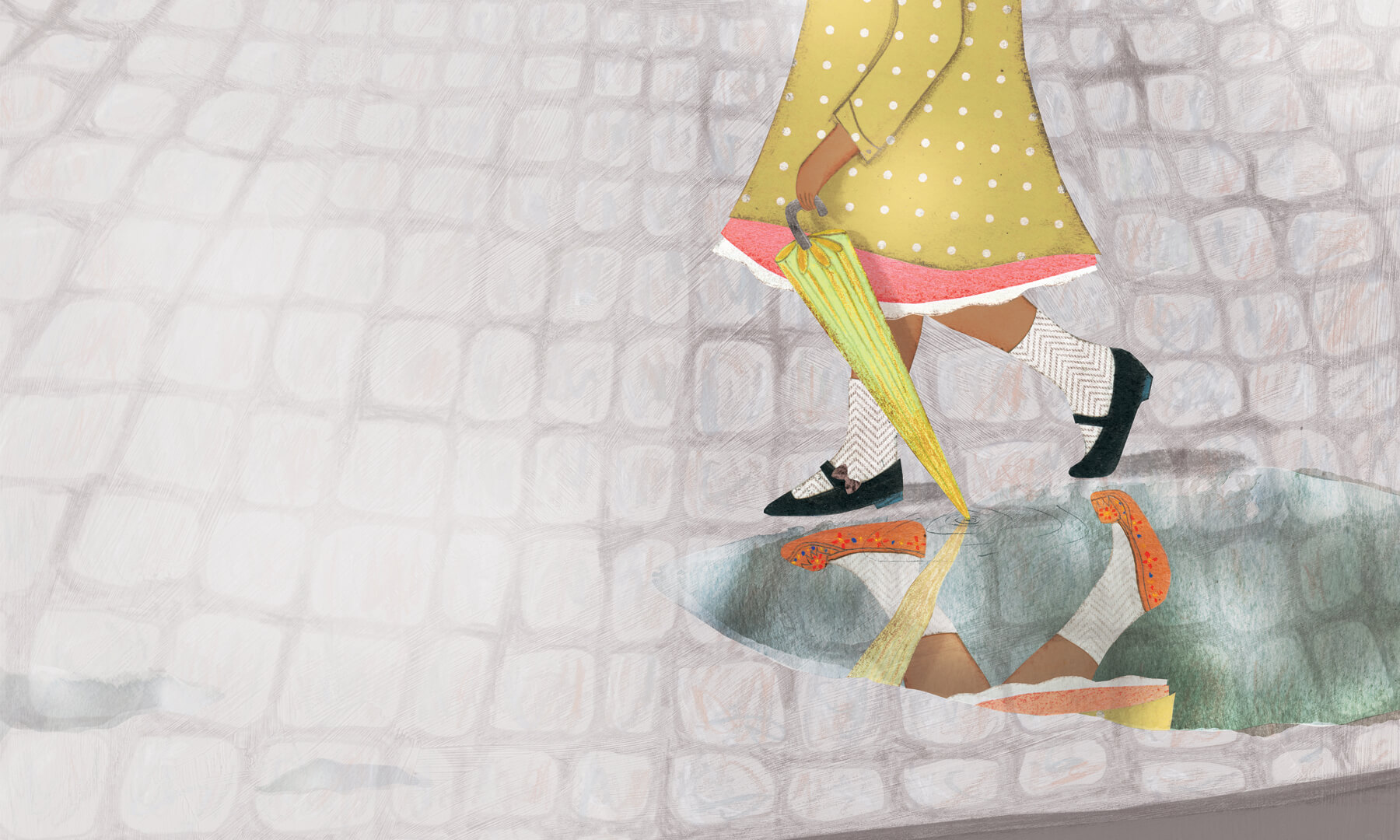
Two Pairs of Shoes
When Maggie receives two pairs of shoes for her birthday, she must learn to walk between two cultures.
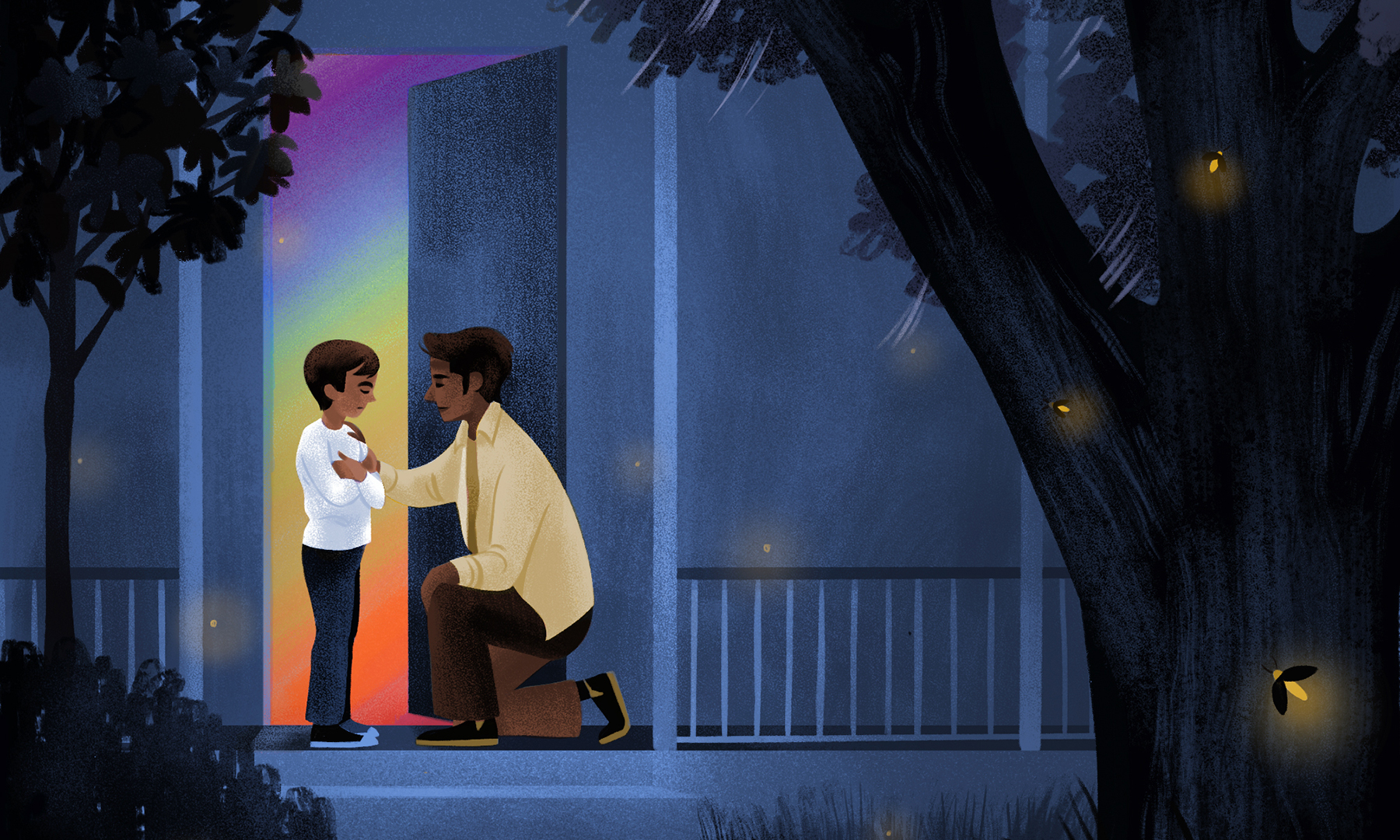
Fireflies
When 10-year-old Kaden wonders whether he’s gay, he turns to his older brother, who offers the love and acceptance all caring adults should give to a child.
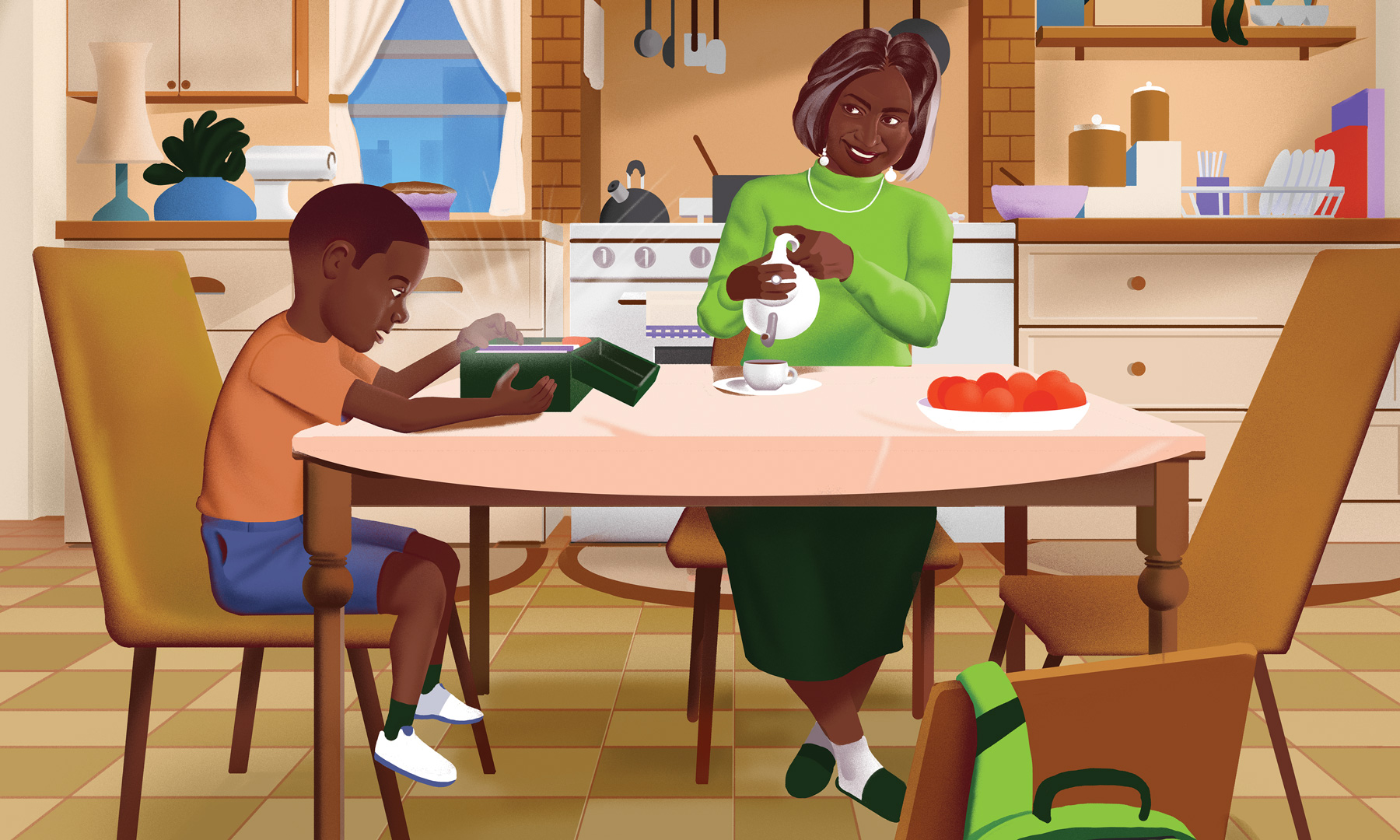
The Shoebox Lunch
Inside a precious metal box are remnants of history that reveal a family’s story of resistance, resilience and love.