-
- Civil Rights Movement
- Race and Ethnicity
Classroom Resource
Together, You Can Redeem the Soul of Our Nation
Congressman and civil rights movement hero John Lewis wrote this final article to be published on the day of his funeral.
John Lewis
-
- Civil Rights Movement
- Slavery
Classroom Resource
The Freedman’s Bureau!
This political cartoon from 1866 attacks Black suffrage and the Freedman’s Bureau.
Unknown
-
- Slavery
Classroom Resource
Elders
The people in these images were each enslaved from birth and then freed after the Civil War. The photos were taken by Essie Collins Matthews. They were published as part of a book that argues slavery was not bad. Collins used images of formerly enslaved people who continued to live with their enslavers after the…
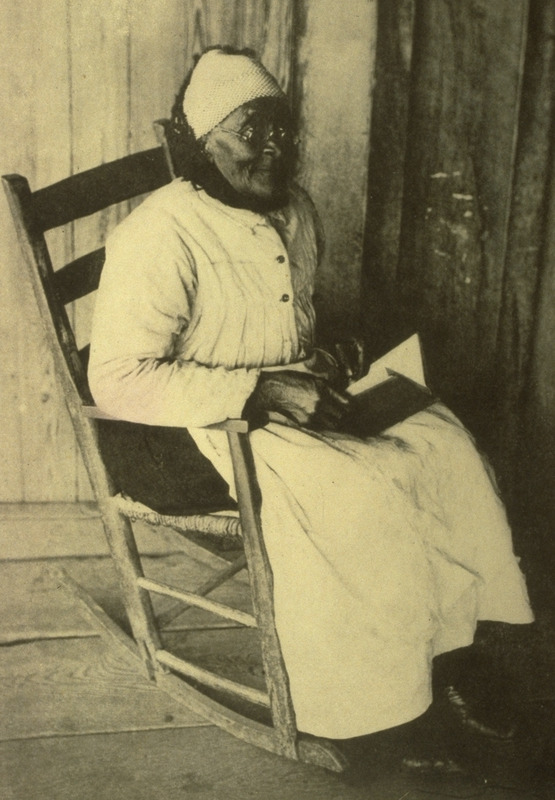
Various
-
- Slavery
Classroom Resource
Literacy as Resistance
The people pictured in these images were enslaved, but they learned to read and write. Many enslavers did not allow enslaved people to read or write. Enslavers knew that reading and writing were powerful tools that could lead to freedom. But these three people learned to read, and the books they wrote helped lead to…
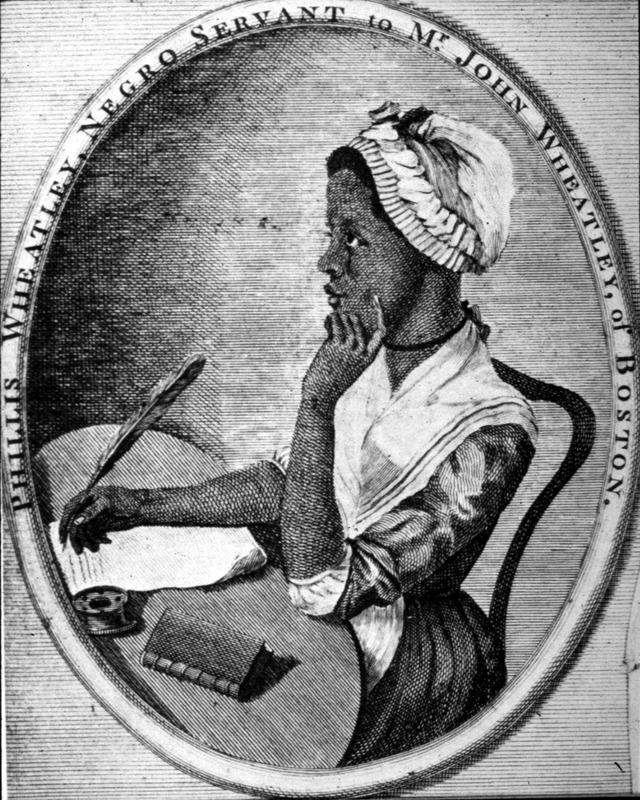
Various
-
- Class
- Gender & Sexual Identity
- Immigration
- Race and Ethnicity
Classroom Resource
Afro-Latina
Elizabeth Acevedo is a National Poetry Slam champion and her poems have been published or are forthcoming in Poetry, Puerto Del Sol, Callaloo, The Notre Dame Review and others.

Elizabeth Acevedo
-
- Slavery
Classroom Resource
Sen. James Henry Hammond On the Admission of Kansas, Under the Lecompton Constitution Speech Before the United States Senate / Cotton is King
The “Cotton is King” speech given by Senator James Henry Hammond before the U. S. Senate on March 4th, 1858.
James Henry Hammond
-
- Slavery
Classroom Resource
Slavery a Positive Good
A speech given by Senator John C. Calhoun in the United States Senate on February 6, 1837.
John C. Calhoun
-
- Slavery
Classroom Resource
Incidents in the Life of a Slave Girl
Harriet A. Jacobs escaped from enslavement in North Carolina in 1835, making her way to Philadelphia and then to New York. She wrote this memoir of her experience in enslavement and escape from it in the 1850s while she was in New York. A company in Boston published the narrative in 1860.
Harriet A. Jacobs
-
- Slavery
Classroom Resource
Frederick Douglass Describes Enslavers
Frederick Douglass escaped slavery and became one of America’s most famous abolitionist speakers. This passage comes from his autobiography, published in 1846. This book, in which Douglass described his experience in and escape from enslavement, reached a mass audience in the United States and abroad.
Frederick Douglass
-
- Slavery
Classroom Resource
“Cornerstone” Speech
Stephens, Vice President of the Confederate States of America, describes improvements of governance under the Confederate States of America (CSA) constitution and provides reasons for the Southern states’ secession.
Alexander H. Stephens


