
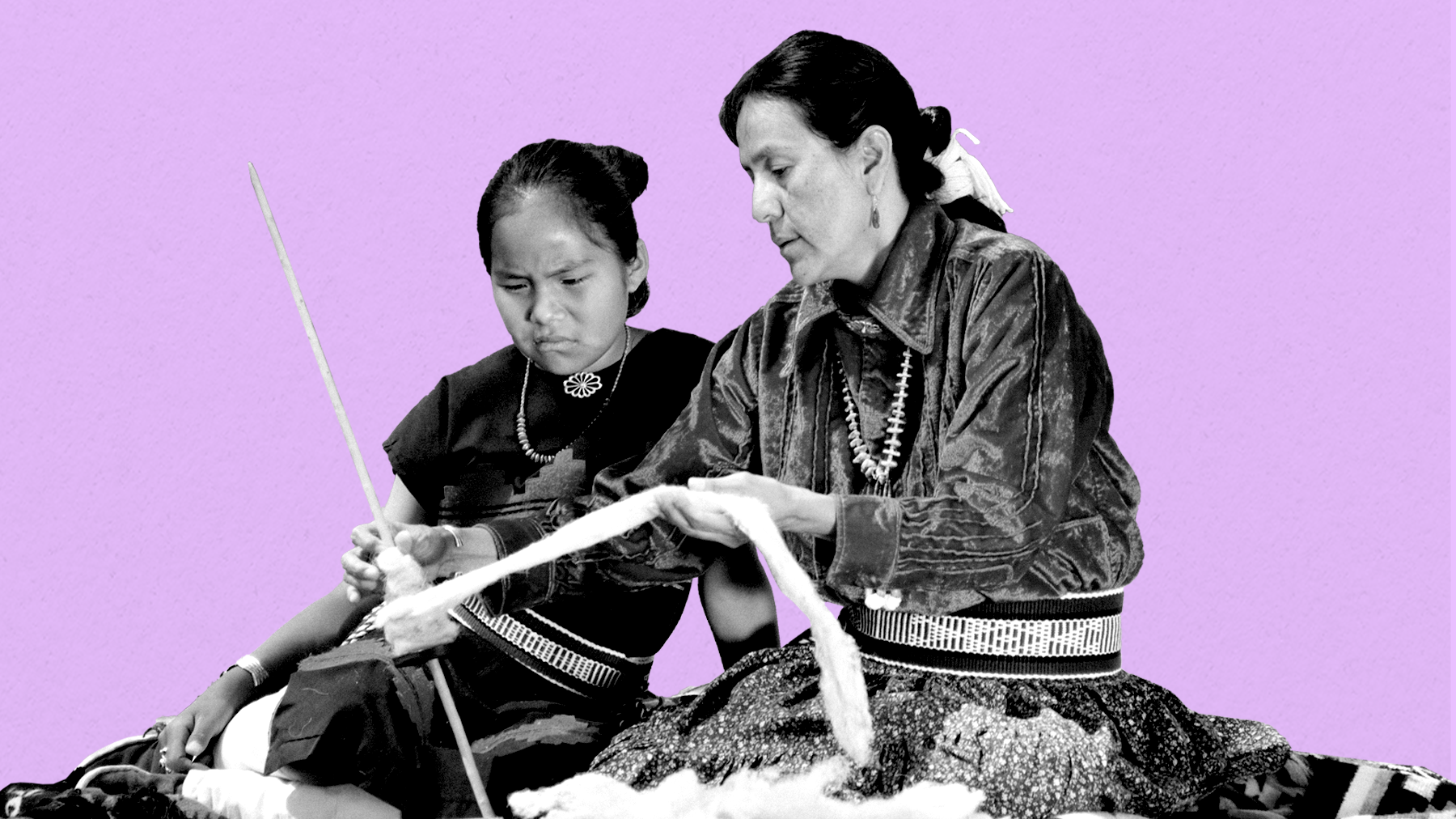
Black and Indigenous people have dynamic cultures that do not begin nor end with European contact and enslavement. And Africa’s rich and diverse history is an essential part of history in the United States.
Conversations about African and Indigenous cultures are essential for learning about our history and making connections with a broader world. To complement that exploration, talking about commonalities across cultures helps children build empathy and understand identity and diversity.
This learning journey is designed from a previously published article for parents and caregivers and offers talking points and activities for children and families. We recommend exploring Identity and Commonality prior to this learning journey.
Discussing African and Indigenous Cultures
In conversations with children about Indigenous and African cultures, the following key points should be emphasized. Help children to understand that:
- Africa is a continent that has always been home to many people, nations and cultures.
- African and Indigenous people were leaders, doctors, teachers, skilled artisans, farmers and artists before they were enslaved.
- Indigenous people have a variety of cultures and have always governed their own nations in the lands that are now the United States.
- The rich cultures of Indigenous people persisted despite the colonial invasion. Many people are now working to support the resurgence of Indigenous languages and ways of seeing the world.
If the book you are reading is set in the past, make connections to the people and culture today. Emphasize that African and Indigenous cultures are not “stuck in time,” but are dynamic and changing.
Exploring the commonalities between children’s home cultures and the diverse cultures of Indigenous and African people will help children make connections and see themselves in others. In discussing other eras, cultures and nations, focus on similarities with children’s lives first before moving to discuss differences.
Talking about “cultural universals”—such as art forms, music, social organization, celebrations and basic needs—encourages children to recognize how people are bound together by similarities, regardless of group membership. Help children learn about music, arts, religion and food from a selection of nations. They might compare and contrast those experiences, asking: “What is the same about these traditions?” “What is different?” “How are these the same as and different from my culture?”
Choosing Children’s Books
“Today—more than ever before—children from groups that have been marginalized by mainstream U.S. institutions can find books that affirm their existence.”
– Debbie Reese
Children’s books provide an engaging way of giving young people mirrors and windows to make connections with and beyond their own lives. Reading and listening to stories can, therefore, be a wonderful sharing experience for parents and caregivers to help children learn about Indigenous and African cultures.
In choosing books, it is important to recognize that authors sometimes misrepresent history and the authors’ own identities can influence what is presented. Therefore, being conscious of the perspective of the story and the author is important.
To explore African and Indigenous cultures, look for stories that center the experiences and highlight the humanity of African and Indigenous people. Try to find authors who have the lived experiences of the people and cultures about which they are writing.
Emphasizing the fullness of life and cultural experiences of African and Indigenous people can help children to later recognize ongoing racism and injustice in a nation built on a history of slavery. And as Debbie Reese pointed out: “A strong sense of justice can form in a young child’s mind when they read books that tell the truth. When they grow into adulthood, that sense of justice can guide them in how they vote and where they work.”
Resources for Children’s Books:
Social Justice Books, A Teaching for Change Project reviews multicultural and social justice books, including a resource section for talking and teaching about Africa.
American Indians in Children’s Literature provides recommendations and analyses of Indigenous people in children’s books.
Rediscovering African History, published by Our Ancestories, is a series of children’s books about pre-colonial African legends that provides activities for children to explore specific cultures.
Africa’s Great Civilizations, is a PBS series with episodes that explore various African cultures.
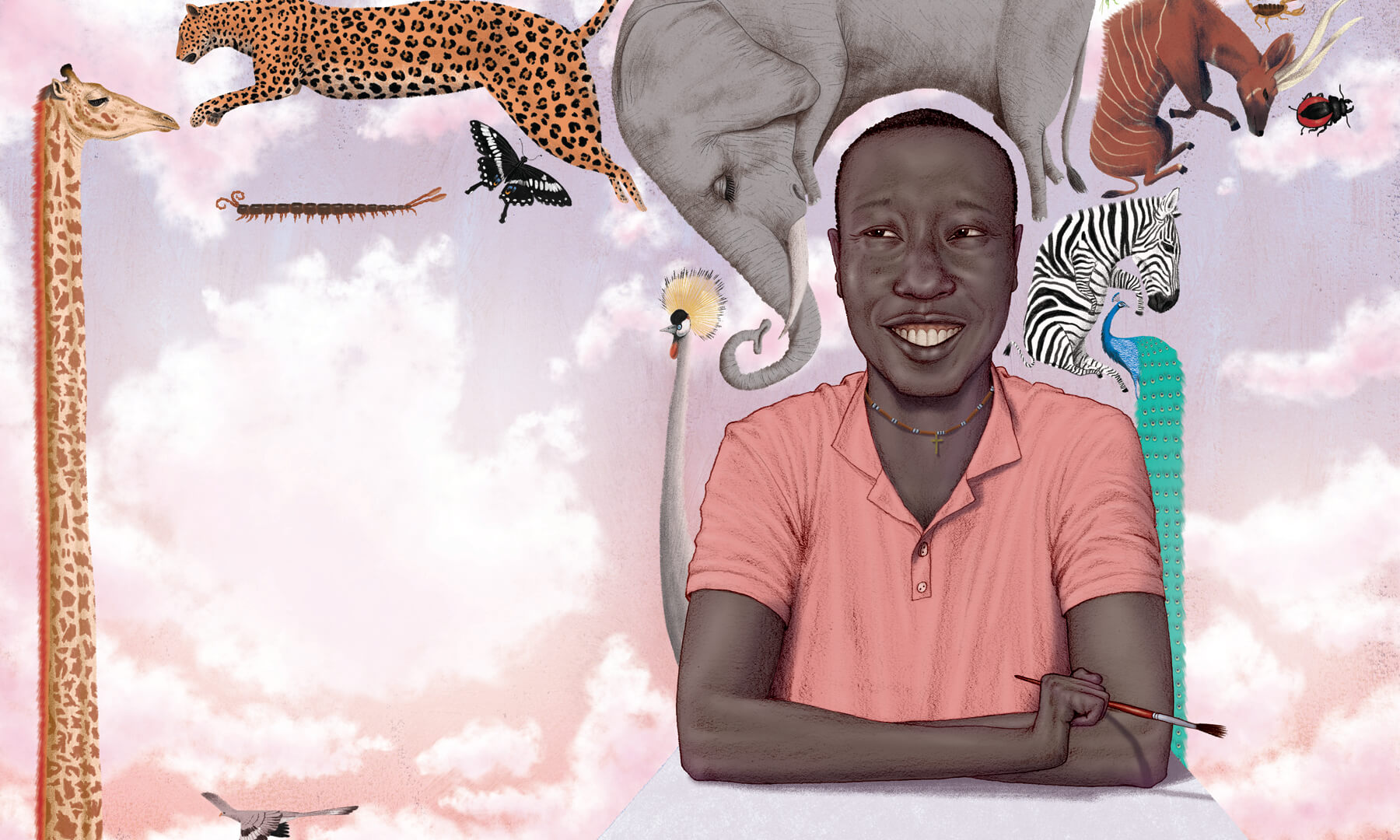
A Painter Named Kennedy
Meet Kennedy, of Mombasa, Kenya. His wheelchair doesn’t stop him from making the world a more beautiful place.
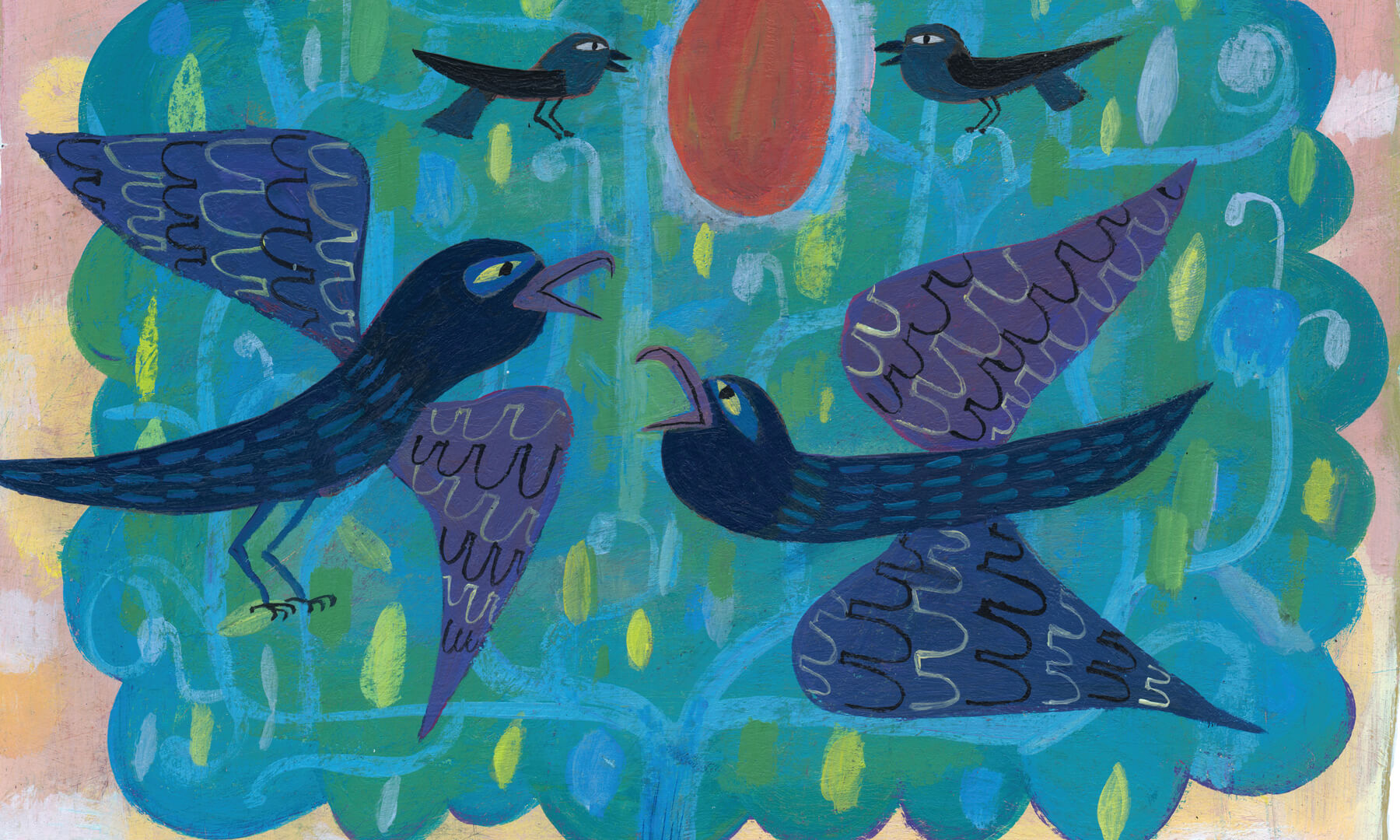
The Fighting Mynahs
A story from Hawaii about how it’s better to share and cooperate than to squabble and fight.
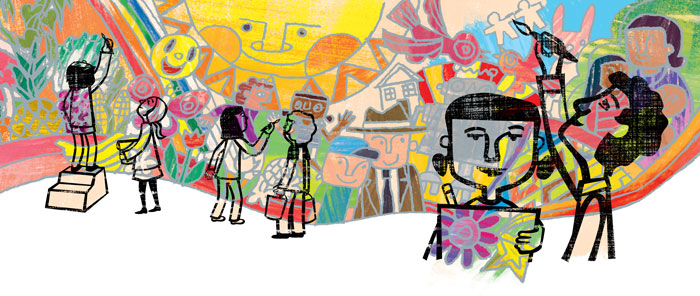
Yaki’s Mural
Yaki struggles to feel at home in her new country and her new school, but her creativity and Mayan culture help to ease the transition.