Important points, learning activities and questions for reflecting on and discussing stories through the lens of literature as “mirrors, windows and sliding glass doors.”
Rudine Sims Bishop, professor and advocate for multicultural literature, emphasizes the importance of literature in encouraging us to “understand each other better by helping to change our attitudes towards difference.” Bishop describes books as windows, mirrors and sliding glass doors.
Literature as mirrors “transforms the human experience and reflects it back to us. In that reflection, we can see our own lives as part of a larger human experience.”
“Books are sometimes windows offering views of worlds that may be real or imagined, familiar or strange.”
Literature acts as sliding glass doors as “Readers have only to walk through in imagination to become part of whatever world has been created or recreated by the author.
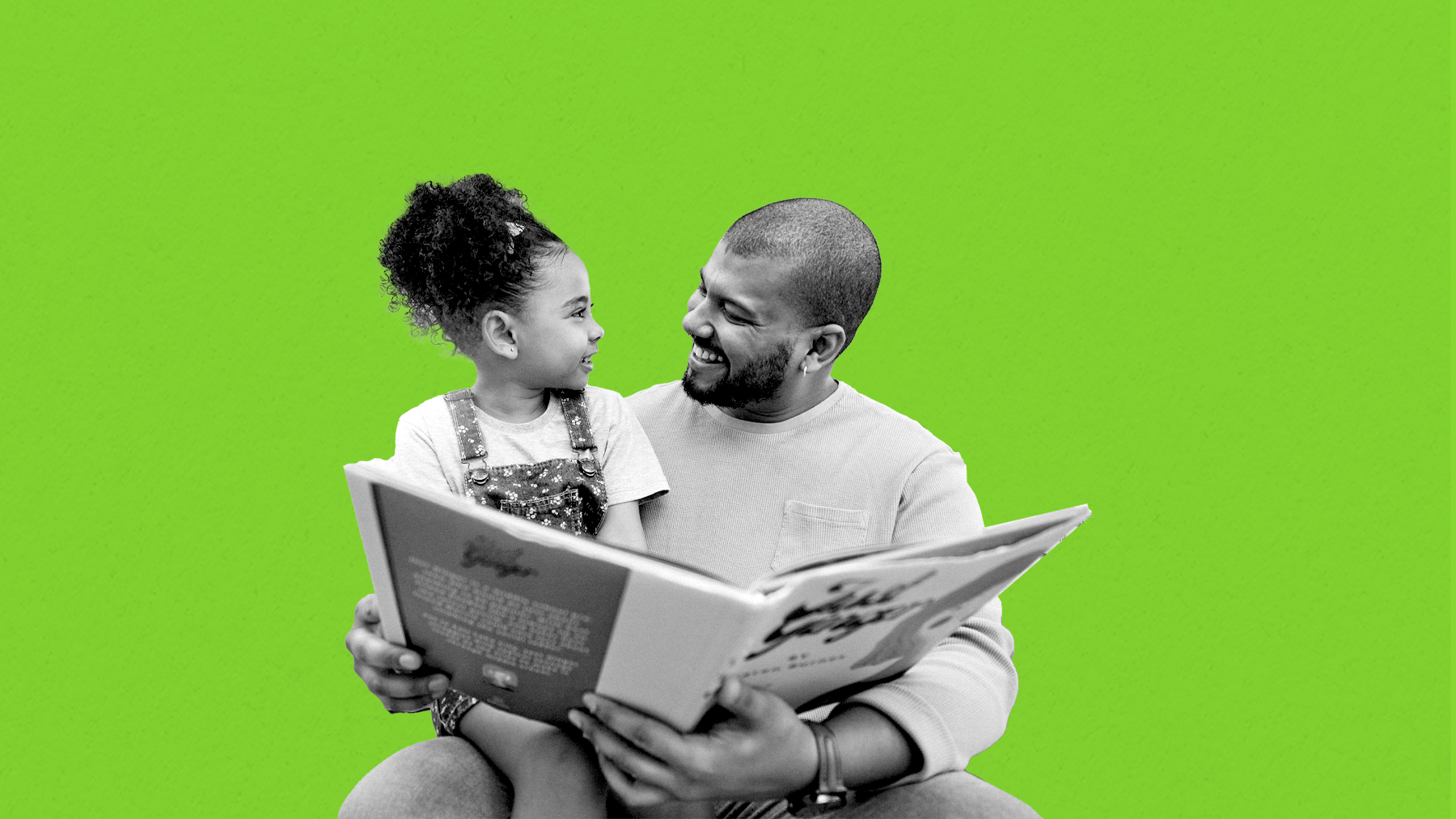
Important Points for Reading Together With Children
Use age-appropriate dialogue and ideas.
Stop and listen. Give children the chance to speak and be heard by practicing active listening.
Preview the text. Talk about the cover, pictures and art. Use them to create new art.
Engage with emotional and intellectual aspects of the text.
Model how to think about difficult topics or choices.
Model how to discuss your emotional responses.
Enjoy stories together. We are never too old to get lost in a book.
Remember, literature can be transformative in helping us learn about the world and see ourselves as part of the shared human experience. Through reading, reflecting and taking action in our daily lives to create more inclusive communities, we can resist hate and the efforts to limit our freedom to learn.
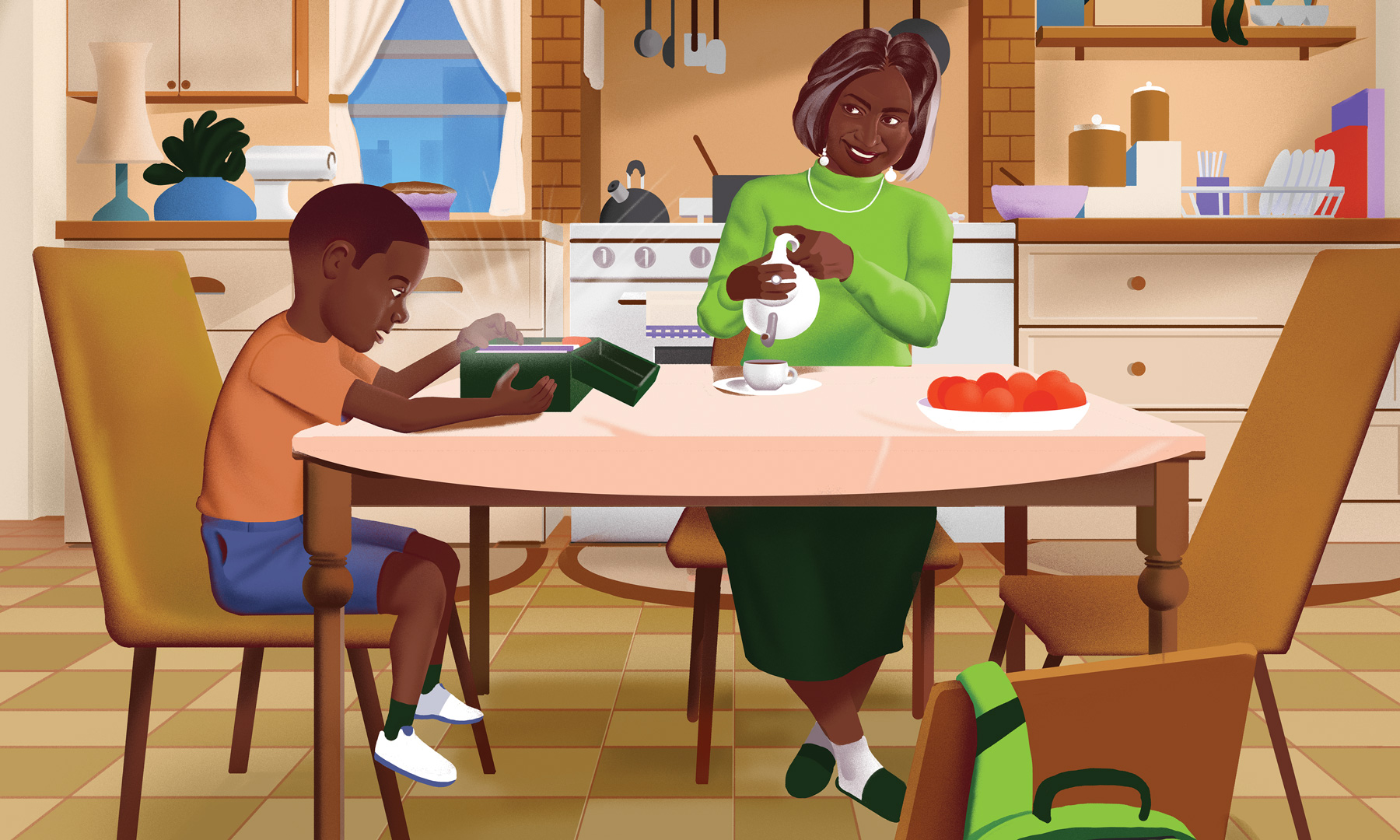
Illustration by Richard A. Chance
The Shoebox Lunch
Inside a precious metal box are remnants of history that reveal a family’s story of resistance, resilience and love.