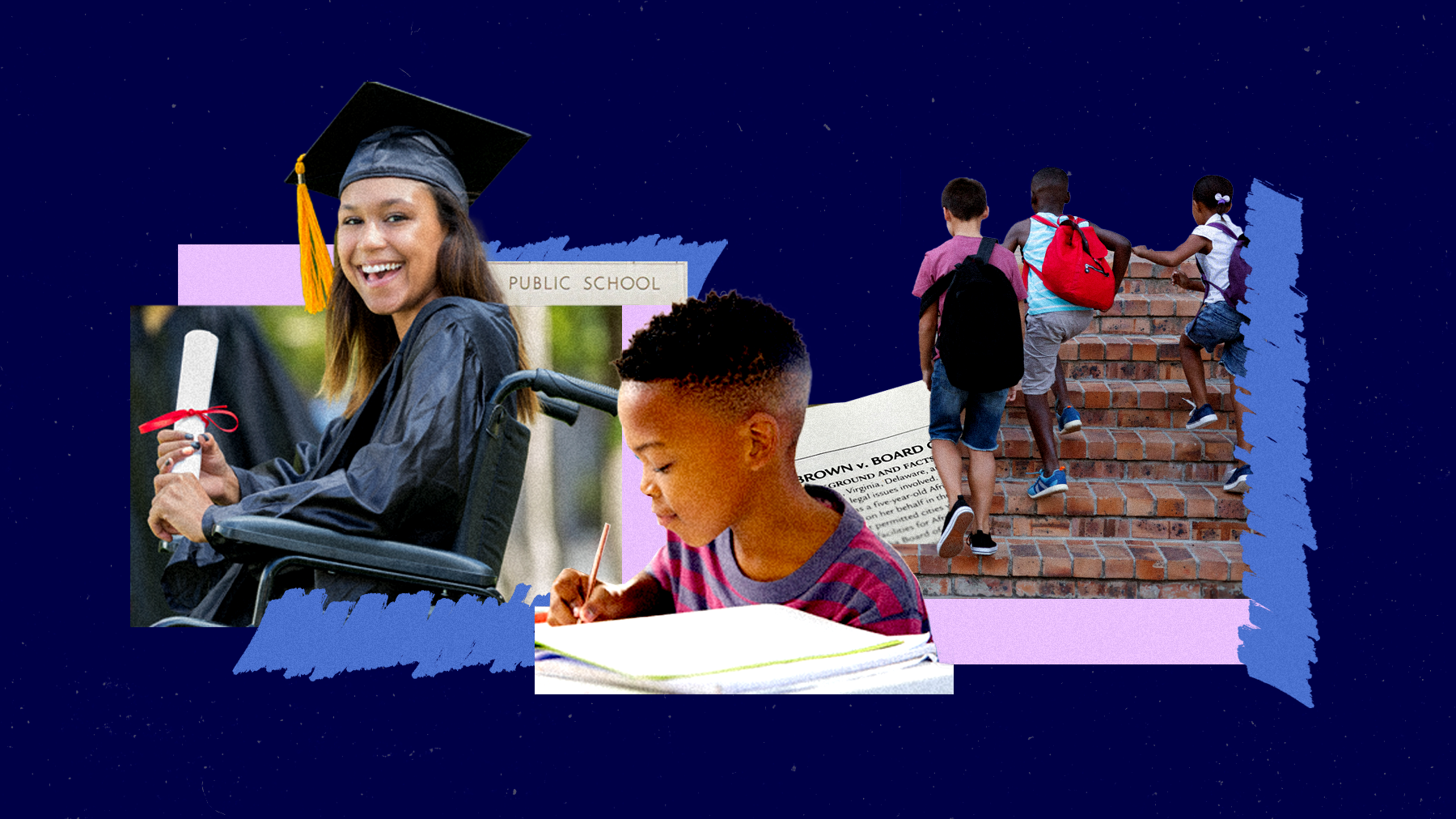
Every child in the United States has a right to an equitable (fair and just) public education. Public schools play a crucial role in our democracy, providing the literacy, critical thinking skills and common-good values essential for participation in the democratic process. Education is not only an individual endeavor for career or economic gain but also a collective effort for community and national progress. Understanding current critical issues in education justice — including the possibilities and threats to public schools — can help us envision affirmative models that benefit all and counter efforts to undermine public education in favor of privatization and undemocratic practices for the financial gain of a few. Join us in demanding education justice and inclusive public schools that foster excellence and equity.
What Is Social Justice Education?
Scholar and educator Lee Anne Bell explains social justice education and highlights its role in actively countering injustice and helping to build an inclusive democracy for the benefit of all.
Understanding the Role and Responsibilities of the Department of Education
By fostering educational excellence and ensuring equal access, the Department of Education is a vital federal agency for the future of our nation.
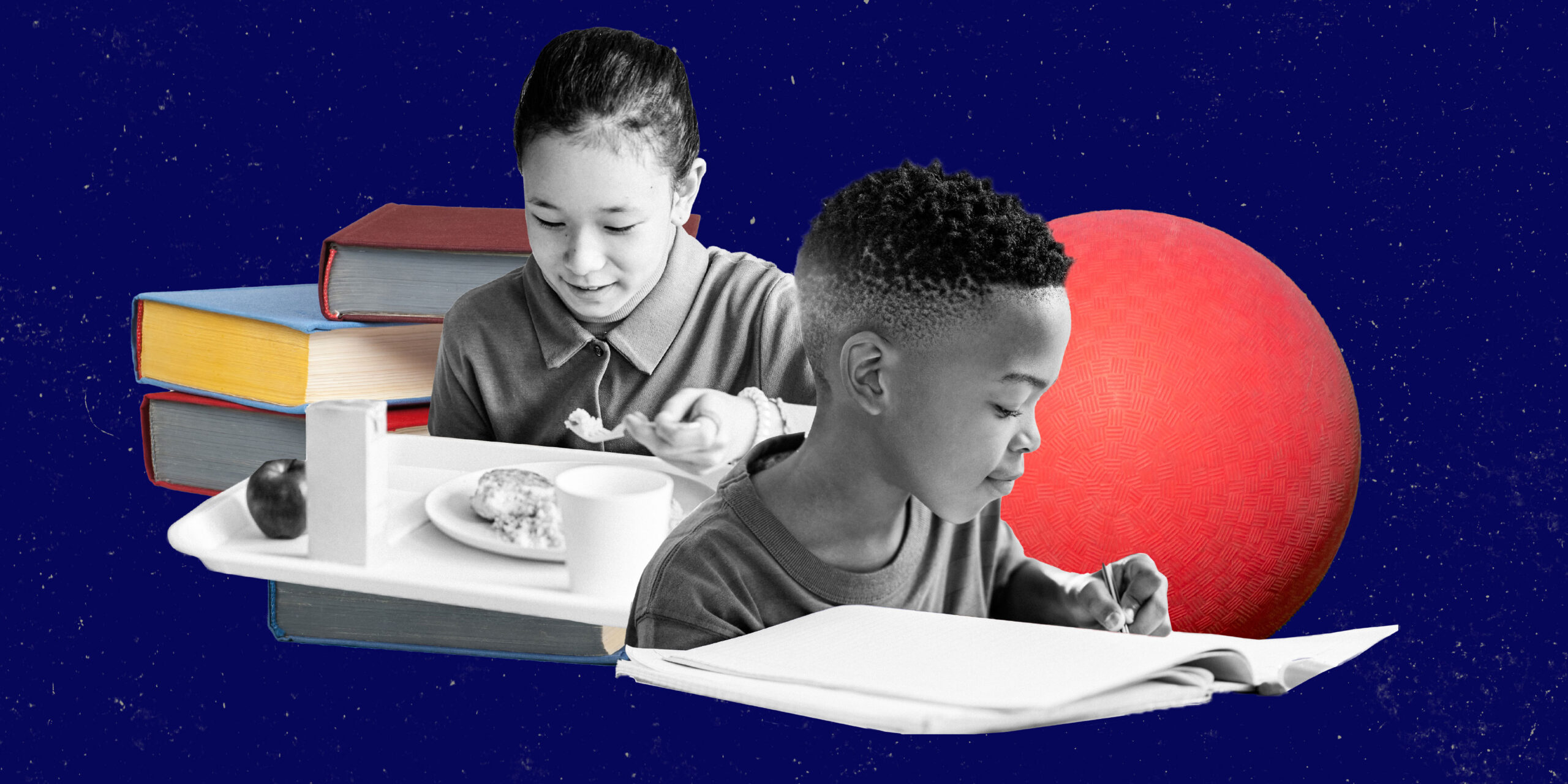
Why Public Schools Matter
Public schools are an ideal and vital mechanism for achieving a thriving democracy. This is the first of three articles on public schools as a common good, which explore the possibilities and threats to public education.
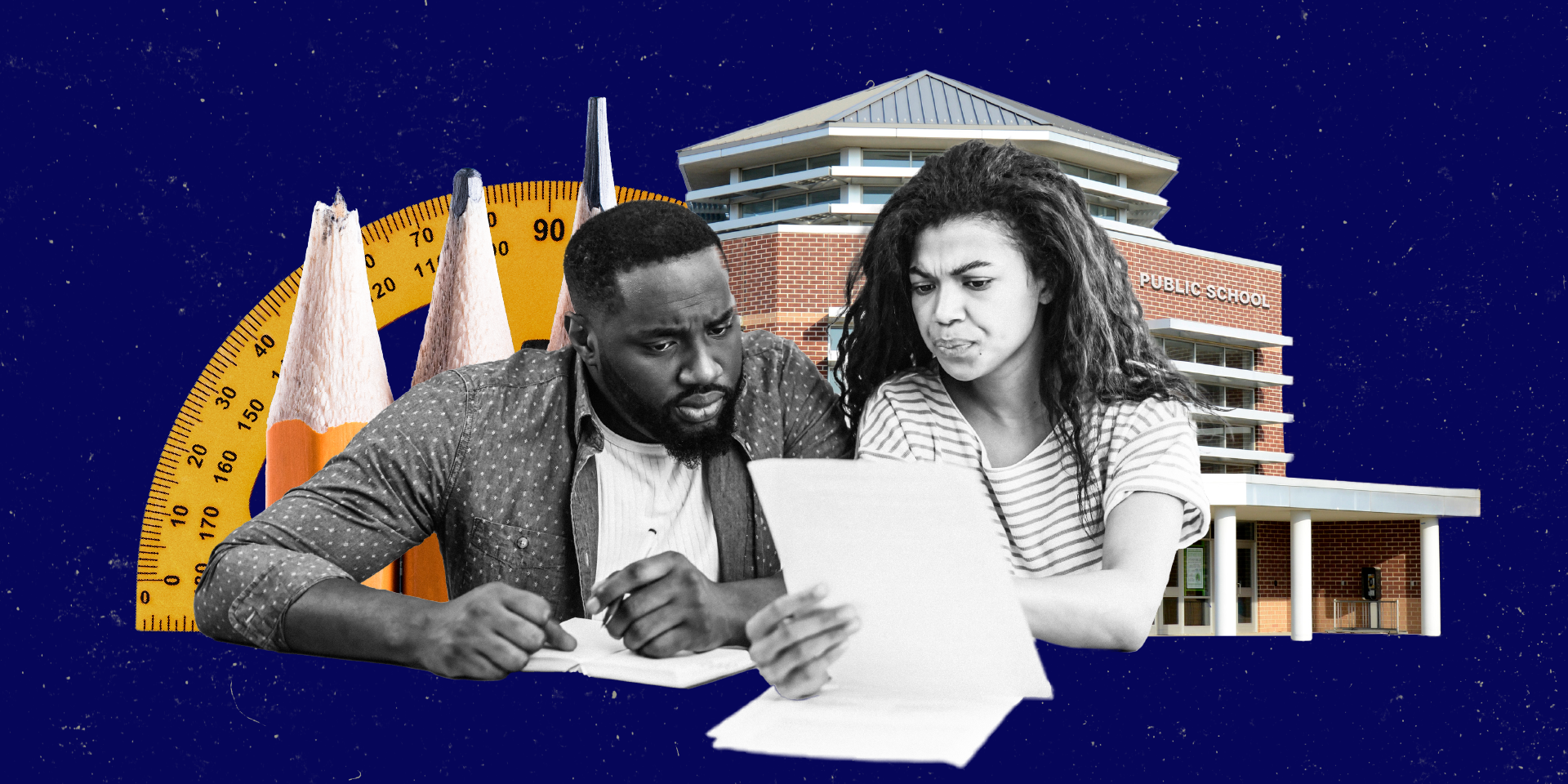
Understanding How Schools Are Labeled
What goes into the process of labeling schools, and how reliable are those labels — especially when a school is labeled as “failing”? This is the second of three articles on public schools as a common good, which explore the possibilities and threats to public education.
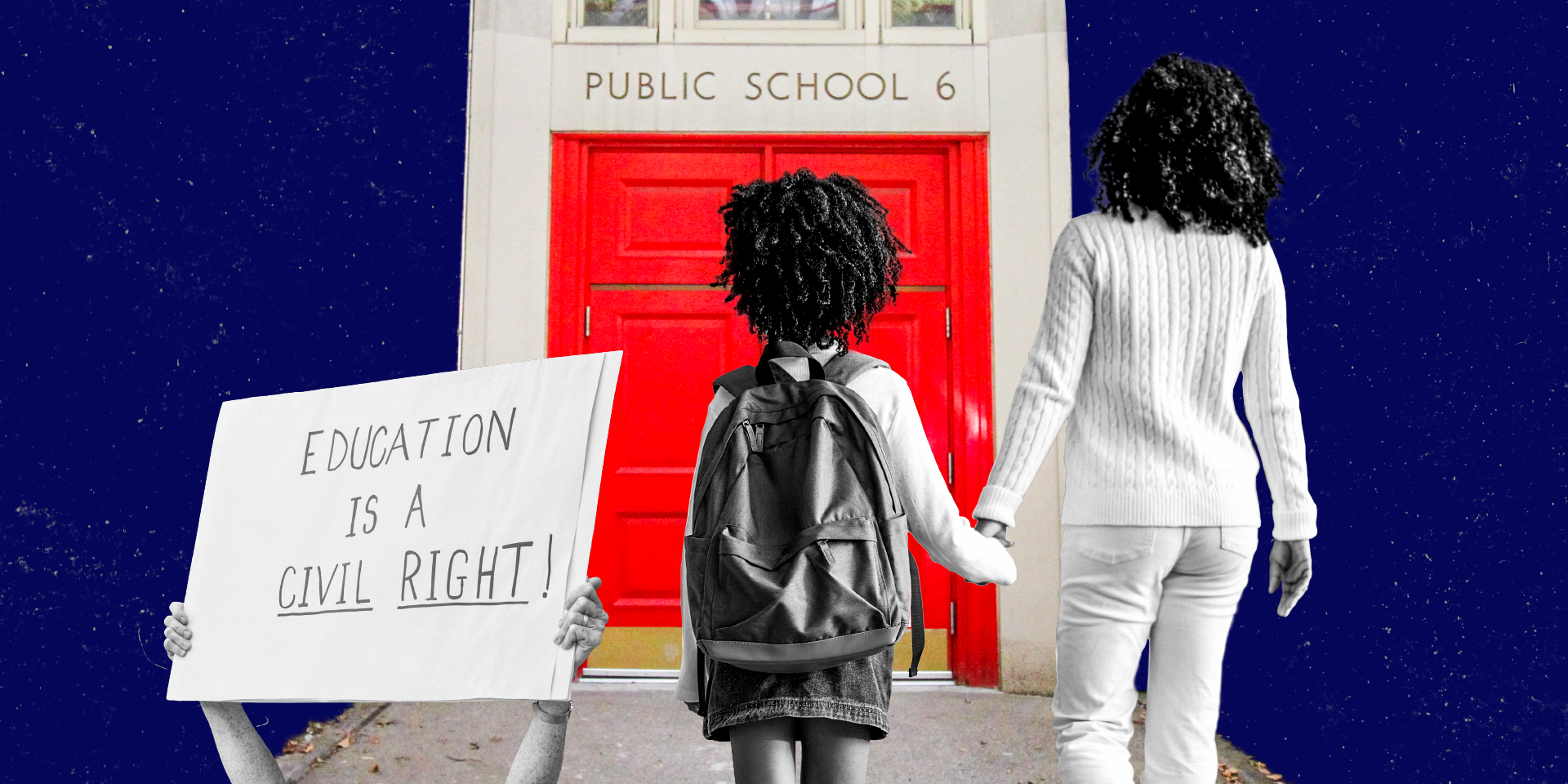
School Vouchers and the Efforts to Undermine Public Education
Vouchers are part of a broader effort to dismantle public schools, moving public taxpayer funds into private for-profit institutions. This is the third of three articles on public schools as a common good, which explore the possibilities and threats to public education.
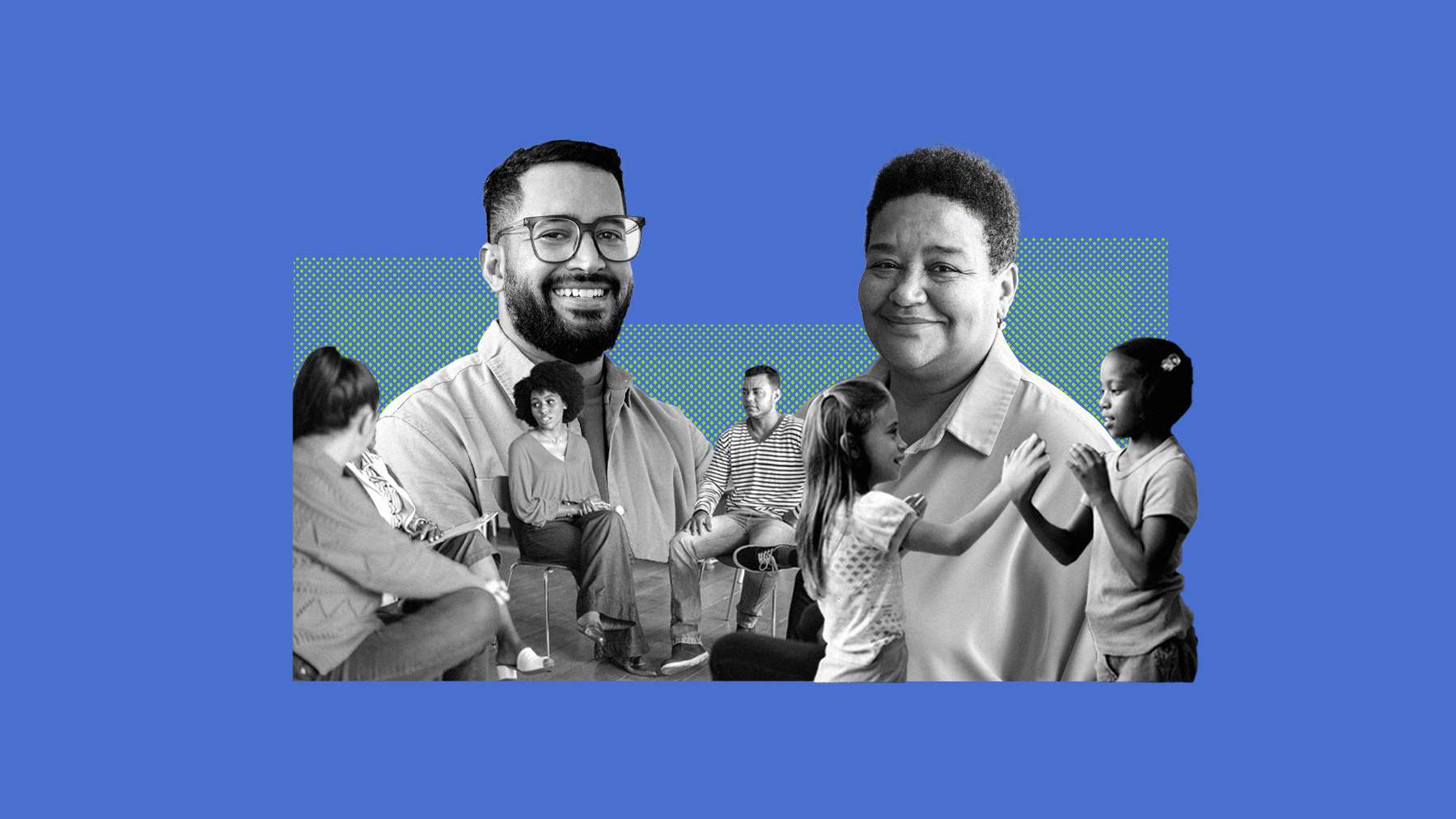
Advocating for Public Education
We all have a crucial role in advocating for children’s right to quality public education and equal access to learning.
Creating School Culture That Nurtures Young People
This resource builds on an understanding of holistic child development and offers strategies for fostering family-school-community partnerships and being intentional about building classroom relationships.

Inclusive Classroom Facilitation Model
This classroom facilitation model seeks to reframe “classroom management” through practices that are responsive and student-centered, with the goal of ensuring learning and well-being.
Applying Universal Design for Learning (UDL) Supports Inclusive Education
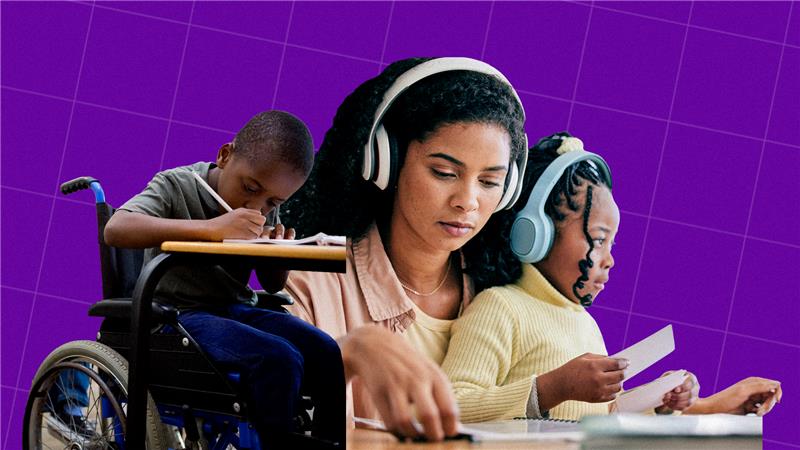
Ensuring education is inclusive of young people with diverse needs and abilities takes intentional practice; Universal Design for Learning can help educators design experiences that benefit all learners.
Understanding and Responding to Trauma
Strategies to help educators recognize the signs of trauma, better understand the causes of trauma, and take steps to establish social and emotional safety.
Supporting Students from Immigrant Families
Millions of young people in the United States are children of immigrant families. All students in the U.S. have a right to public education, “regardless of a child’s or guardian’s citizenship, immigration status, or English language proficiency. These rights were upheld by the U.S. Supreme Court in its landmark 1982 decision in Plyler v. Doe.” In addition to…
Tips for Advocating for Inclusive Education
Recommendations for parents, caregivers and community members to help you advocate for inclusive education that supports all our children.

The Promise of Inclusive Education
Inclusive education builds critical thinking—the intellectual tools for reflection, continuous inquiry, constructive dialogue and the possibility of changing one’s perspective—and is an essential lever for democracy.
Loving and Nurturing Young People
The author of ‘Humans Who Teach’ encourages us all to work together in a collective approach to nurturing young people’s well-being.
Centering Diverse Parents in the CRT Debate
Parents of color and parents of conscience, whose children make up the majority of students in public education, must be centered in conversations on race and inclusive education.
Inclusive Education Benefits All Children
Inclusive education builds critical thinking—the intellectual tools for reflection, continuous inquiry, constructive dialogue and the possibility of changing one’s perspective—and is an essential lever for democracy.
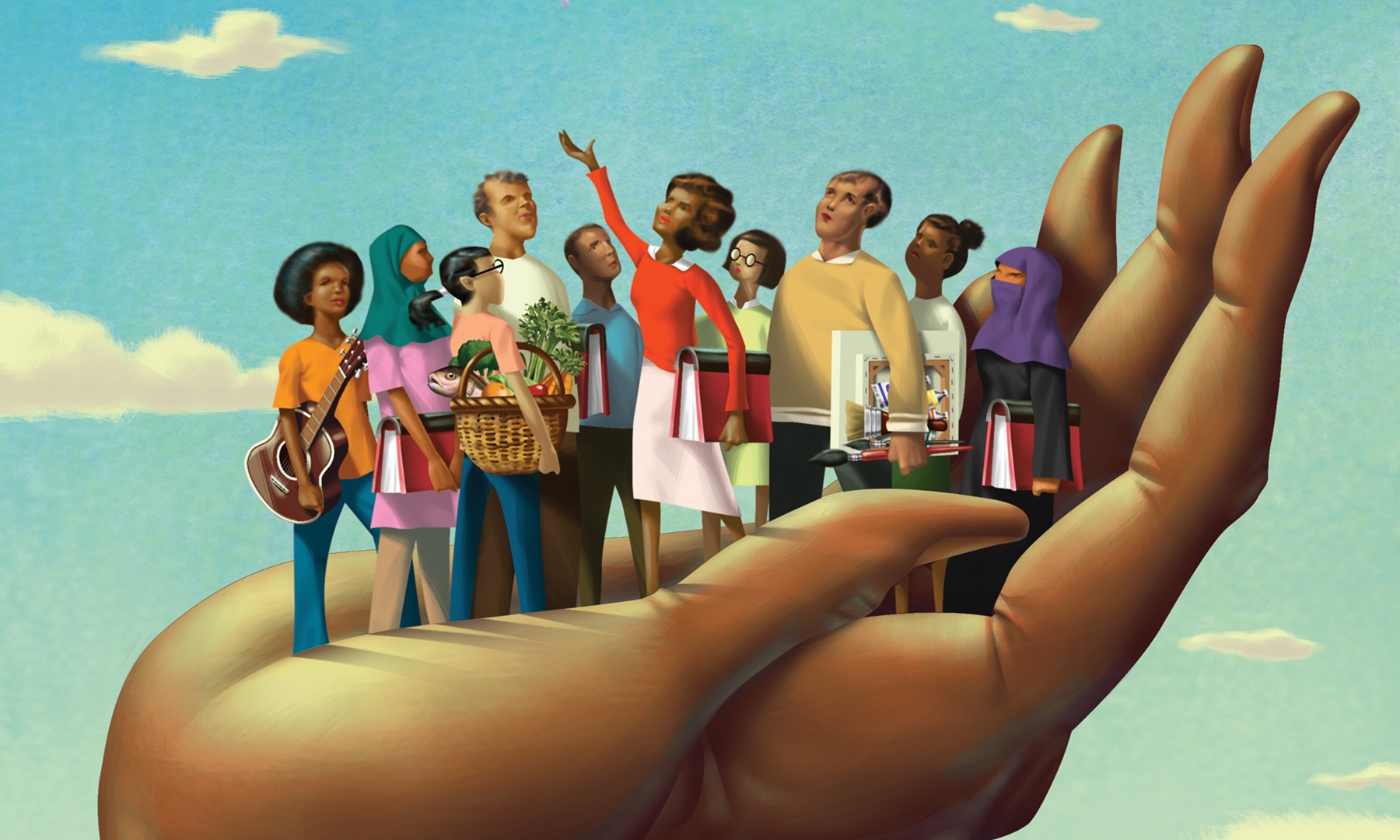
Community Organizing Uplifts Immigrant Students
Tapping into their own agency and communities, immigrant students and their families are finding ways to mitigate serious obstacles.

Child Hunger Should Concern Us All
Ensuring food security for all children is a national responsibility that should cut across political divides.
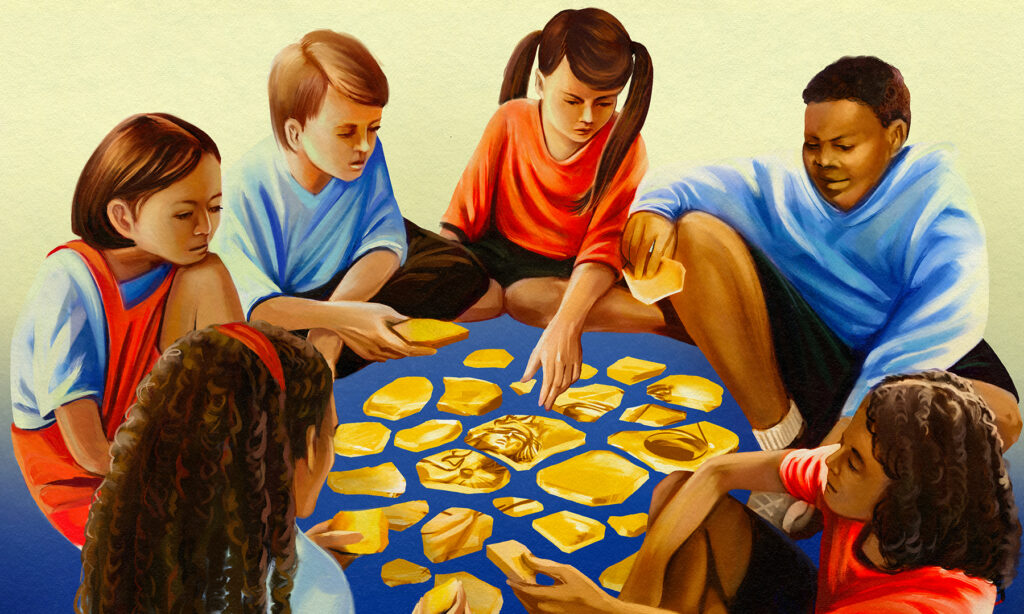
The Heart of Facilitation in Restorative Justice
Inclusive education builds critical thinking—the intellectual tools for reflection, continuous inquiry, constructive dialogue and the possibility of changing one’s perspective—and is an essential lever for democracy.
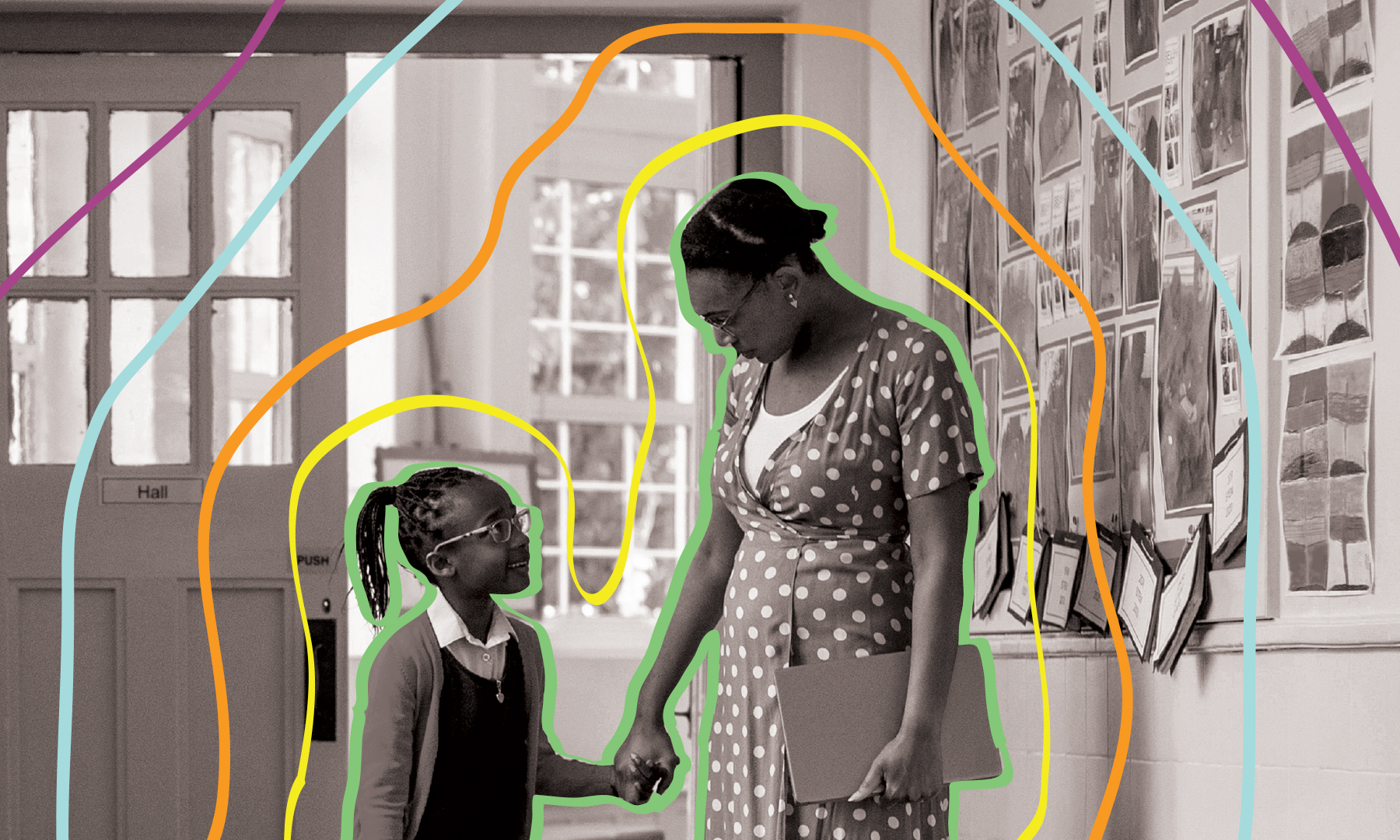
Decarceration Begins With School Discipline Reform
Educators have a role in ending discipline that criminalizes youth. Reforms, including trauma-informed and restorative practices, can disrupt the school-to-prison pipeline.
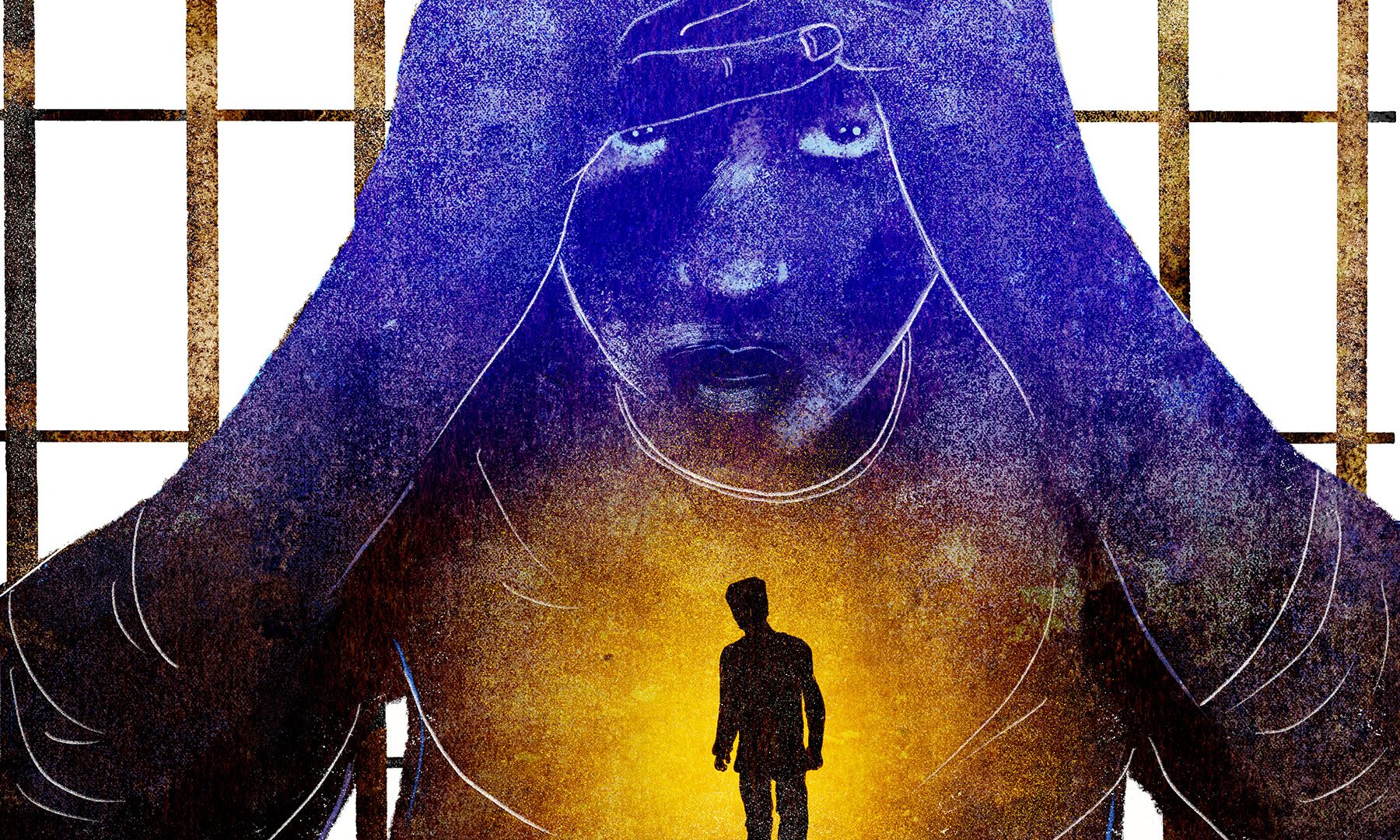
Only Young Once: The Case for Dismantling the South’s School-to-Prison Pipeline
We must end the long-standing maltreatment and criminalization of Black children in the education system throughout the South.
Reports and Resource Publications
-
- Racial Justice
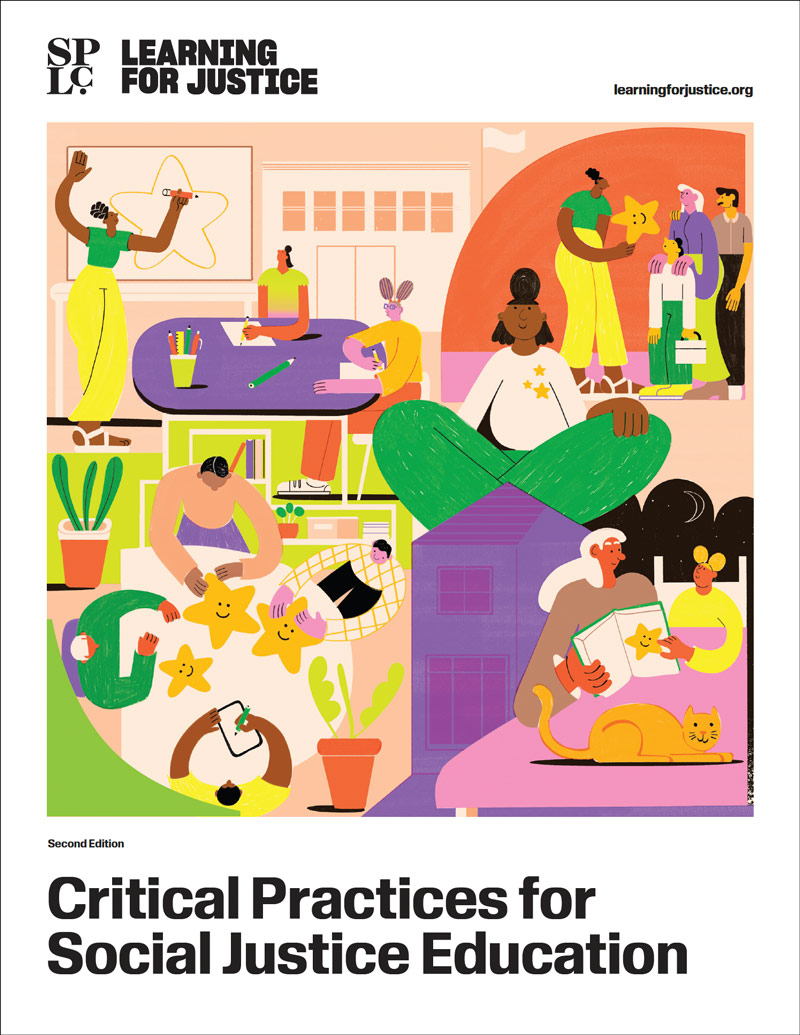
Critical Practices for Social Justice Education
-
- Racial Justice
Social Justice Standards
-
- Racial Justice
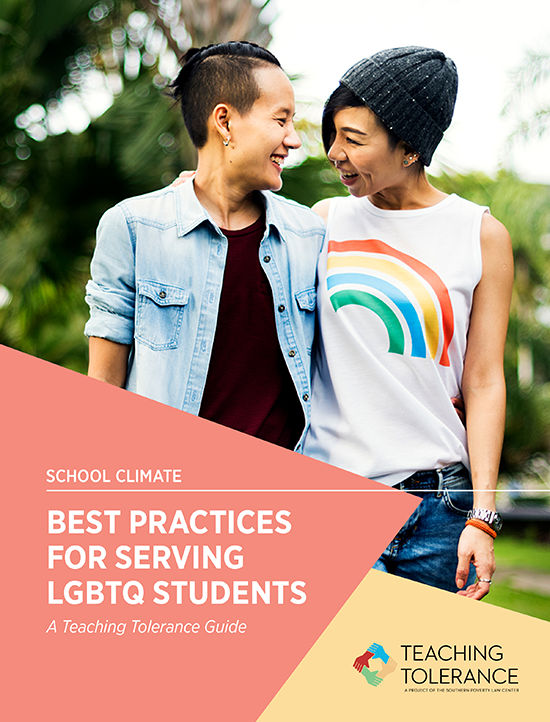
Best Practices for Serving LGBTQ Students
-
- Racial Justice
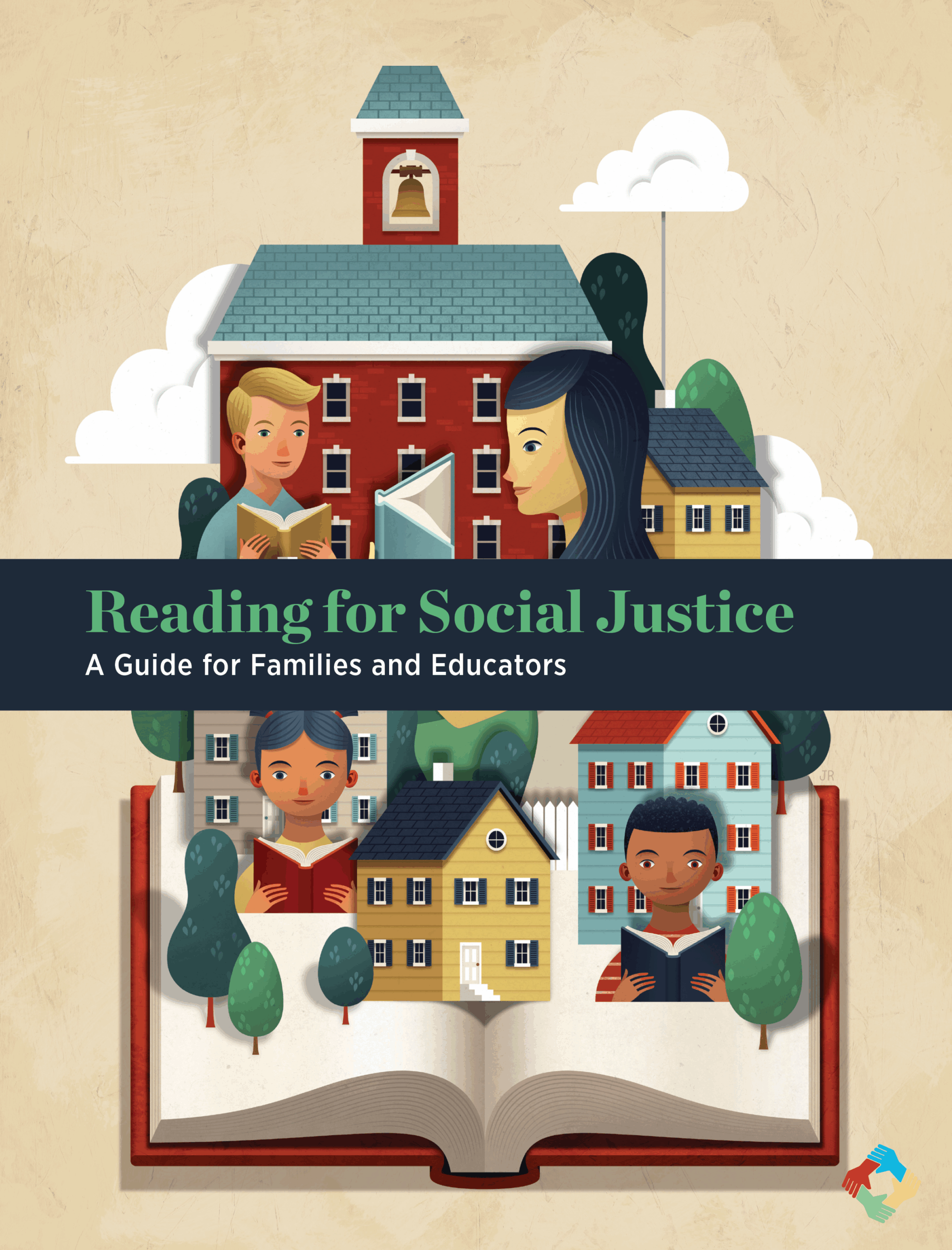
Reading for Social Justice
-
- Racial Justice
Let’s Talk!
Support Democracy and Education Justice
To build a multiracial inclusive democracy requires educating for liberation and civic and political participation across the South and the nation.