
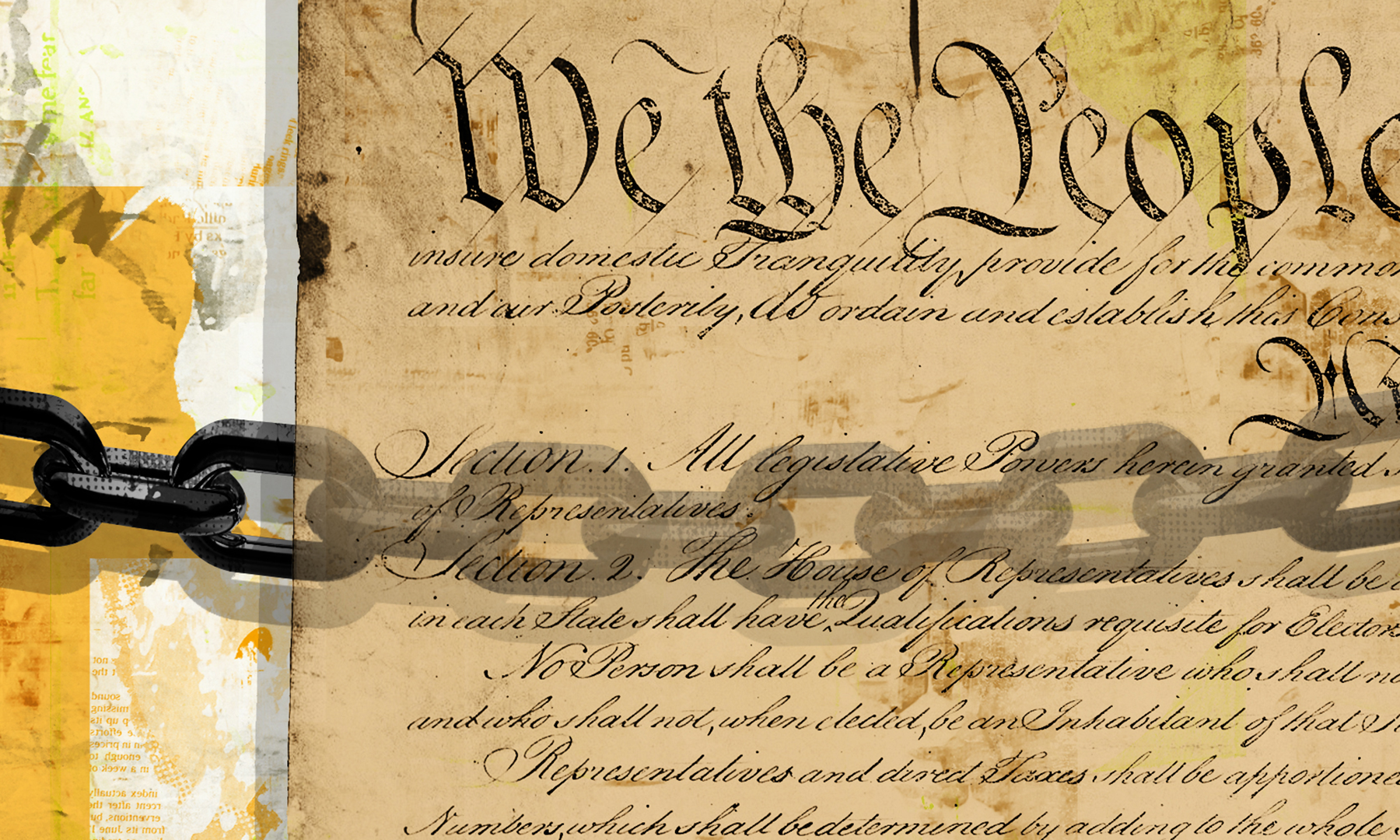
Our youngest students deserve a truthful, age-appropriate account of our past. These resources for elementary educators include a first-of-its-kind framework, along with student texts, teaching tools and professional development for anyone committed to teaching this hard history.
Here are a few key elements of the framework and the accompanying resources:
Introduction
The team of educators and scholars who worked on this project are passionate about its importance and pleased to share this outline of the components of the framework along with advice for how to use them.
Key Concepts
The foundation of the K–5 and 6–12 frameworks, the Key Concepts pinpoint 10 important ideas that all students must understand to truly grasp the historical significance of slavery. Explored through Essential Knowledge in the elementary grades and Summary Objectives in middle and high school teaching, the Key Concepts serve as tools educators can use to structure their teaching.
Essential Knowledge
Each of the 20 “Essential Knowledge” sections identifies an age-appropriate understanding for students to reach and outlines additional information that will help them get there. It also offers recommendations for supporting student learning. Essential Knowledge items 1–10 are designed for K–2 students, and items 11–20 are designed for students in grades 3–5.
Student Texts
The Teaching Hard History Text Library includes over 100 primary source documents to supplement teaching and learning about American slavery, as well as fiction and non-fiction texts specially designed for younger readers. New texts, particularly new texts for K–5 readers, are added regularly.
Teaching Tools
Browse six sample Inquiry Design Models, based on The College, Career, and Civic Life (C3) Framework for Social Studies State Standards.
Podcast
Hosted by Professor Hasan Jeffries, this series brings us the lessons we should have learned in school through the voices of leading scholars and educators.
Webinar
Join Professor Hasan Jeffries and former Teaching and Learning Specialist Lauryn Mascareñaz for this on-demand PD.
Printable Cards
Download and display these cards to let people know you have the courage to teach #HardHistory.
Essential Knowledge
Critical content students must know to understand the historical significance of slavery. Essential Knowledges 1–10 are designed for K–2 students, and Essential Knowledges 11–20 are designed for students in grades 3–5. Click on each Essential Knowledge to see what students should know and how you can teach it.
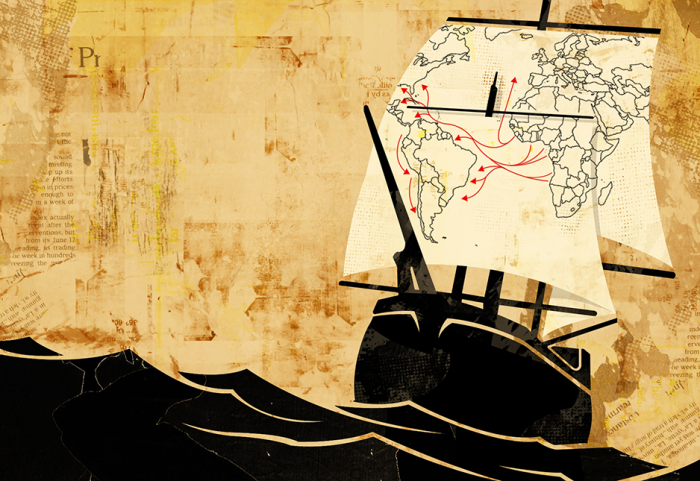
Grades K-2
Essential Knowledge 1
Students should be encouraged to think and talk about the meaning of freedom.
Essential Knowledge 2
Students should know that slavery is when a person owns another person as property.
Essential Knowledge 3
Students should know that enslaved Indigenous people and Africans came from nations with diverse cultures and traditions and that they continued many of these traditions while enslaved.
Essential Knowledge 4
Students should know that enslaved people had families that could be split up at any time.
Essential Knowledge 5
Students should know that enslaved people hated being enslaved, and resisted bondage in many ways.
Essential Knowledge 6
Students should know that enslaved people tried to maintain their cultures while building new traditions that continue to be important.
Essential Knowledge 7
Students should know that enslavers exploited the many types of highly skilled labor of enslaved people for their own profit.
Essential Knowledge 8
Students should understand that slavery and race are intimately connected, that slavery came to be associated with Blackness, and that white people developed racist ideas to justify enslaving people of color.
Essential Knowledge 9
Students will know that many people worked individually and in groups to end slavery.
Essential Knowledge 10
Students will know slavery was the cause of the Civil War.
Grades 3-5
Essential Knowledge 11
Students will know that the main purpose of American slavery was to make money for enslavers.
Essential Knowledge 12
Slavery in all the places that are now the United States began with the enslavement of Indigenous people.
Essential Knowledge 13
European colonists expanded slavery by forcing Africans to come to the Americas.
Essential Knowledge 14
Enslavers adopted and spread false beliefs about racial inferiority, including many that still impact us today.
Essential Knowledge 15
In every place and time, enslaved people sought freedom.
Essential Knowledge 16
Enslaved people worked to preserve their home cultures while creating new traditions.
Essential Knowledge 17
Students will know that the United States was founded on protecting the economic interests of white, Christian men who owned property. In the process, it protected the institution of slavery.
Essential Knowledge 18
While some states abolished slavery after independence, it remained legal in most of what is now the United States, expanding into some new states and across the South.
Essential Knowledge 19
Students will know that national disagreements about slavery became so strong that 11 states seceded from the United States to form their own country, leading to the Civil War.
Essential Knowledge 20
Students will know that after the Civil War, formerly enslaved people faced many obstacles, including racism and political, social and economic inequality. Their descendants continue to face similar oppression today, though it looks different now than it did then.
Accompanying Resources
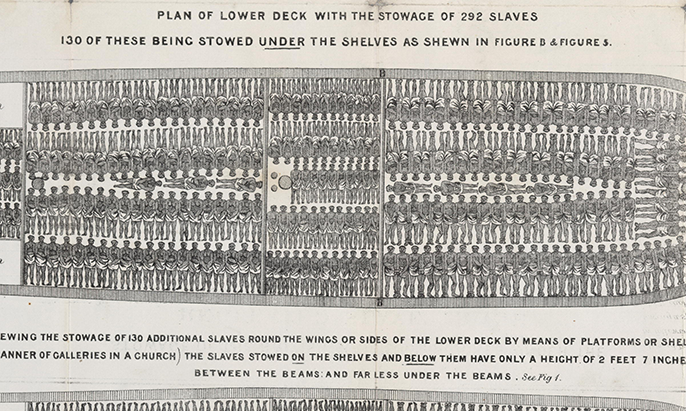
Student Texts
This collection includes more than 100 primary sources selected to support teaching and learning about the Key Concepts and Summary Objectives found in this framework.
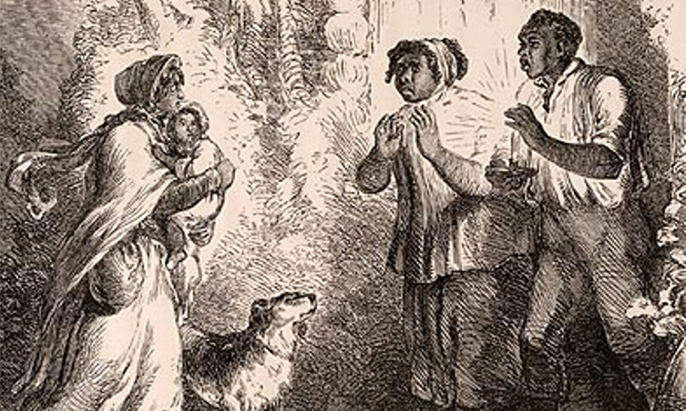
Inquiry Design Models
These Inquiry Design Models, based on The College, Career, and Civic Life (C3) Framework for Social Studies State Standards, offer examples of an inquiry-based approach to teaching the history of American slavery.
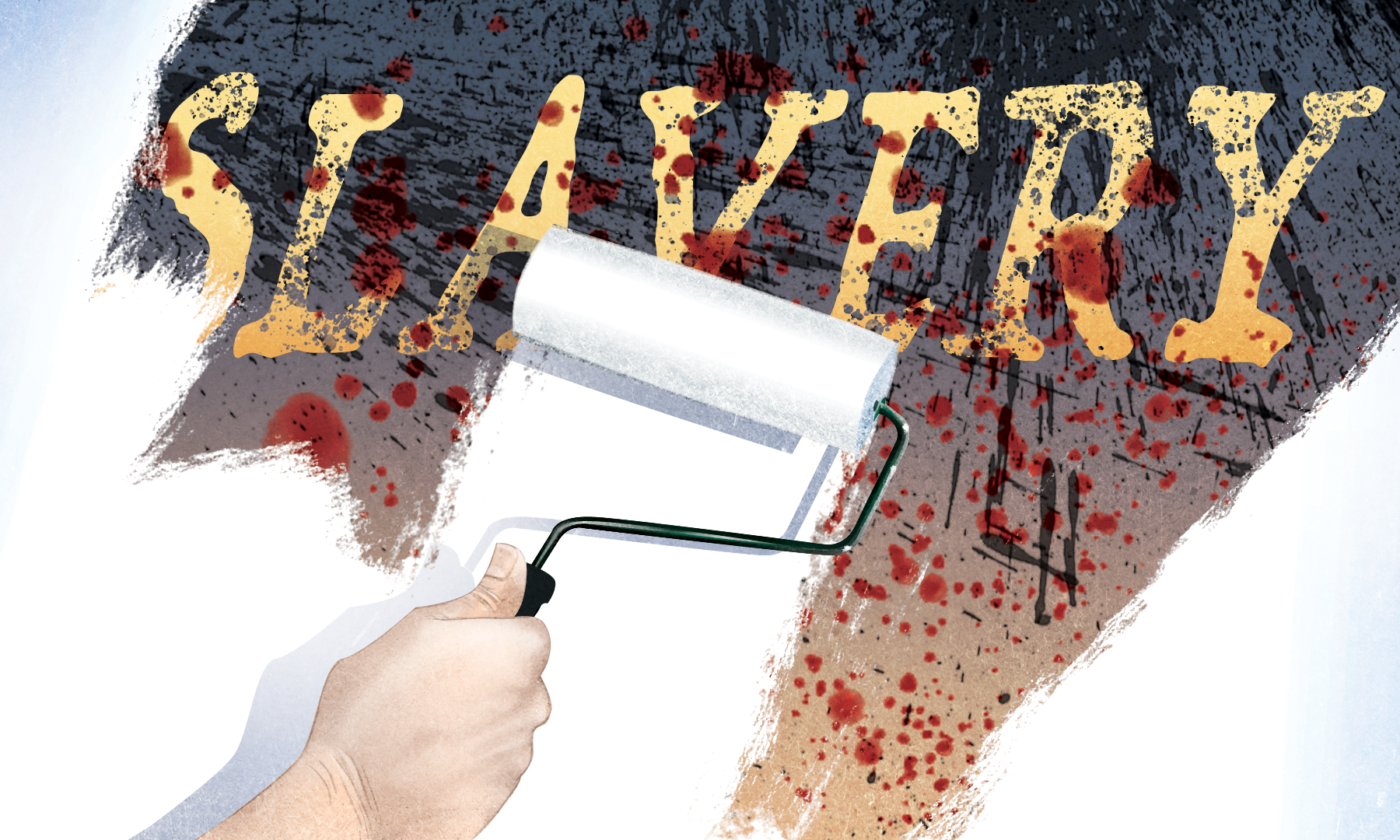
Slavery in Children’s Literature
Children’s books are a common way to introduce the topic of slavery to our youngest students. But what do we do when the stories get it wrong?
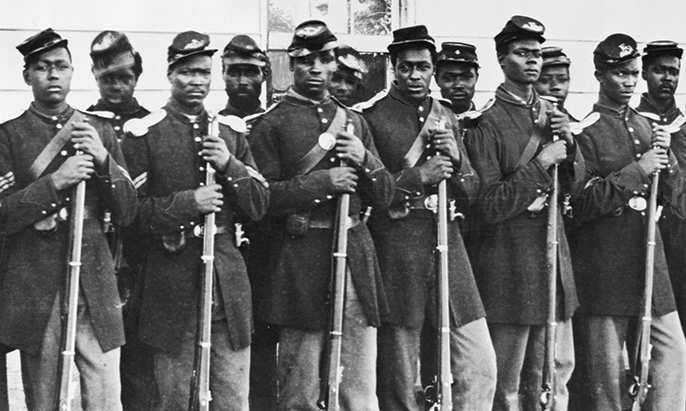
Podcast
What we don’t know about American slavery hurts us all. From Learning for Justice and host Hasan Jeffries, Teaching Hard History brings us the lessons we should have learned in school through the voices of leading scholars and educators. It’s good advice for teachers, good information for everybody.