In the 2018 U.S. midterm election, young people turned out in the highest numbers in decades. But even so, just over 35 percent of eligible 18- to 29-year-olds cast a ballot, compared to 66 percent of eligible citizens aged 65 and older.
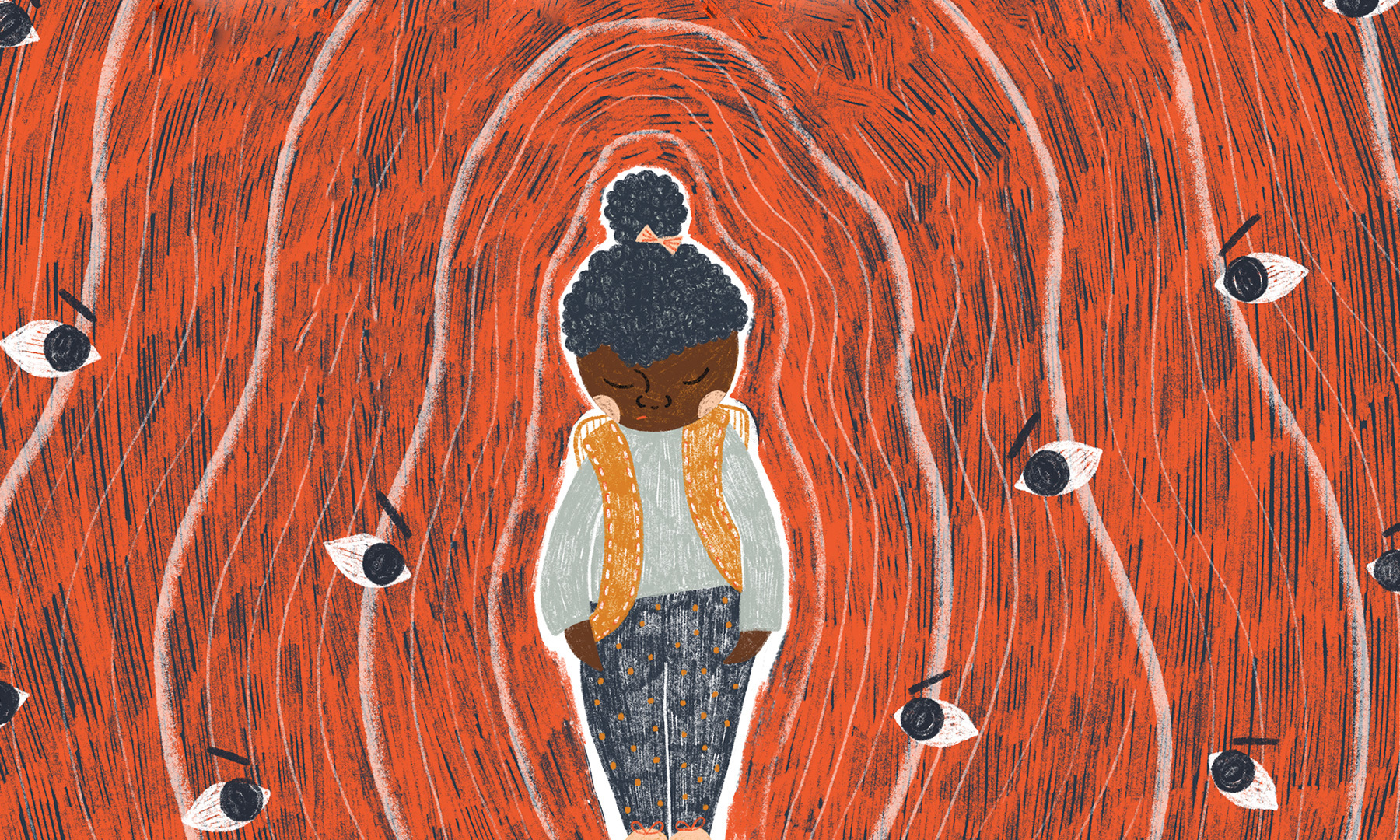
When we hear about low voter turnout among young people, we often hear that young people themselves are to blame. It’s their fault they’re consistently outvoted by older generations. They’re the ones who are too unmotivated, too uninterested, too cynical to care.
According to some experts, however, the problem is not apathy but access. When they narrowed their data from everyone with eligibility to only registered voters, The New York Times found that 67 percent of registered 18- to 29-year-olds turned out to vote in 2018.
So how do we help more young people register? One recommendation from organizers and voting rights activists is to expand voter registration drives in K-12 schools. School-based voter registration, they stress, could not only increase voter turnout among young people; it could also create more equitable access to the ballot.
Abby Kiesa, director of impact at Tufts University’s Center for Information and Research on Civic Learning and Engagement (CIRCLE), suggests that K-12 institutions have the capacity to reach young people who might otherwise not be encouraged to register.
“When you look at youth voting data,” she explains, “you see humongous differences in people’s access to information. … In every cycle that I’ve been involved with that we have data for, it’s young people who have college experience or who are on college campuses [who receive outreach]. … And it’s more white voters than voters of color.” In fact, studies show people of color of all ages are less likely than white people to be contacted by voter information and registration efforts.
But reaching every eligible future voter is only part of the challenge. In the last decade, restrictive voter I.D. laws and other legislative attempts to curtail voter registration have reduced opportunities for students to register at school and have their voices heard at the polls.
Complex policies regulating the training, timing and qualifications for voter registration efforts have passed in state legislatures across the nation. As part of North Carolina’s notorious 2013 Voter Identification Verification Act, for example, state legislators eliminated preregistration for 16- and 17-year-olds. Preregistration was reinstated in 2016 when a federal appeals court overturned the law, noting that it “target[ed] African-Americans with almost surgical precision.”
By then, however, lawmakers in neighboring Virginia had tightened regulations for third-party voter registration groups, making it harder for educators to work with nonpartisan nonprofits to register students. Those restrictions remained in place until this year, situating Virginia among states like Florida, Wisconsin and Texas, which already had similar laws on the books.
More recently, a federal judge temporarily blocked a 2019 Tennessee law that took regulations a step further, imposing fines of up to $10,000 for submitting incomplete or inaccurate voter registration forms. A similar bill in Texas, threatening future voters with fines or even jail time for errors on their forms, failed in the state legislature.
“All of these issues [around youth voter turnout] are about access,” says Kiesa. “They’re all about how we as a country are—or aren’t—including and welcoming devoted young people into democracy. It has nothing to do with apathy.”
Connecting Within and Beyond Their School
Jacqulyn Whang, an English teacher at Centennial High School in Compton, California, is working with students to address these issues of access. In 2019, Whang and a group of students attended a workshop from The Civics Center to learn about supporting student civic engagement and registering students to vote. Afterward, they founded the school’s Future Voters Club, which Whang says has become both a social gathering spot and a place for students to find their voices and their power.
At the workshop, she says, she and her students couldn’t help but notice some of the disparities between Centennial and neighboring schools.
“Other schools [are] really set up. … They have systems in place that make it easier for a mass voter drive to happen,” she explains. At Centennial, “it was really daunting. [We had to] figure out those systems and how they worked. We did a lot of problem-solving with unique barriers within our school.”
Part of that meant building connections and collaborations beyond the school itself. Whang says because Centennial is one of many schools in her area doing this work, students could align their efforts with those of peers at nearby schools and create space for collaboration.
They also continued their work with The Civics Center, which gave a presentation on the history of the fight for voting rights. The facilitator offered data on local voter turnout and discussed the importance of voting for youth of color, and she shared her own story about being undocumented.
Later, when members of the Future Voters Club worked to register classmates, they made sure to engage undocumented students, encouraging those who aren’t legally able to vote to connect in other ways. They drafted a script with language to include everyone and passed out pledges that any student could sign.
“It was a scene … a cool scene,” Whang says. “Honestly, the kids were inspired. I was inspired.”
For a lot of Black students, they see voting as this rigged system that only allows white supremacy to prosper. So the best way [they’ve found] to respond to that is to not engage with it at all. I’ve found that nobody has really contextualized voting.”
Advocating Across Generations
Retired history teacher Penny Wells found her inspiration for voting rights work as a college student. In 1966, Wells went to Choctaw County, Alabama, to educate and register new voters. Now, every year she travels with students from her home of Youngstown, Ohio, to tour voting rights landmarks in the Deep South.
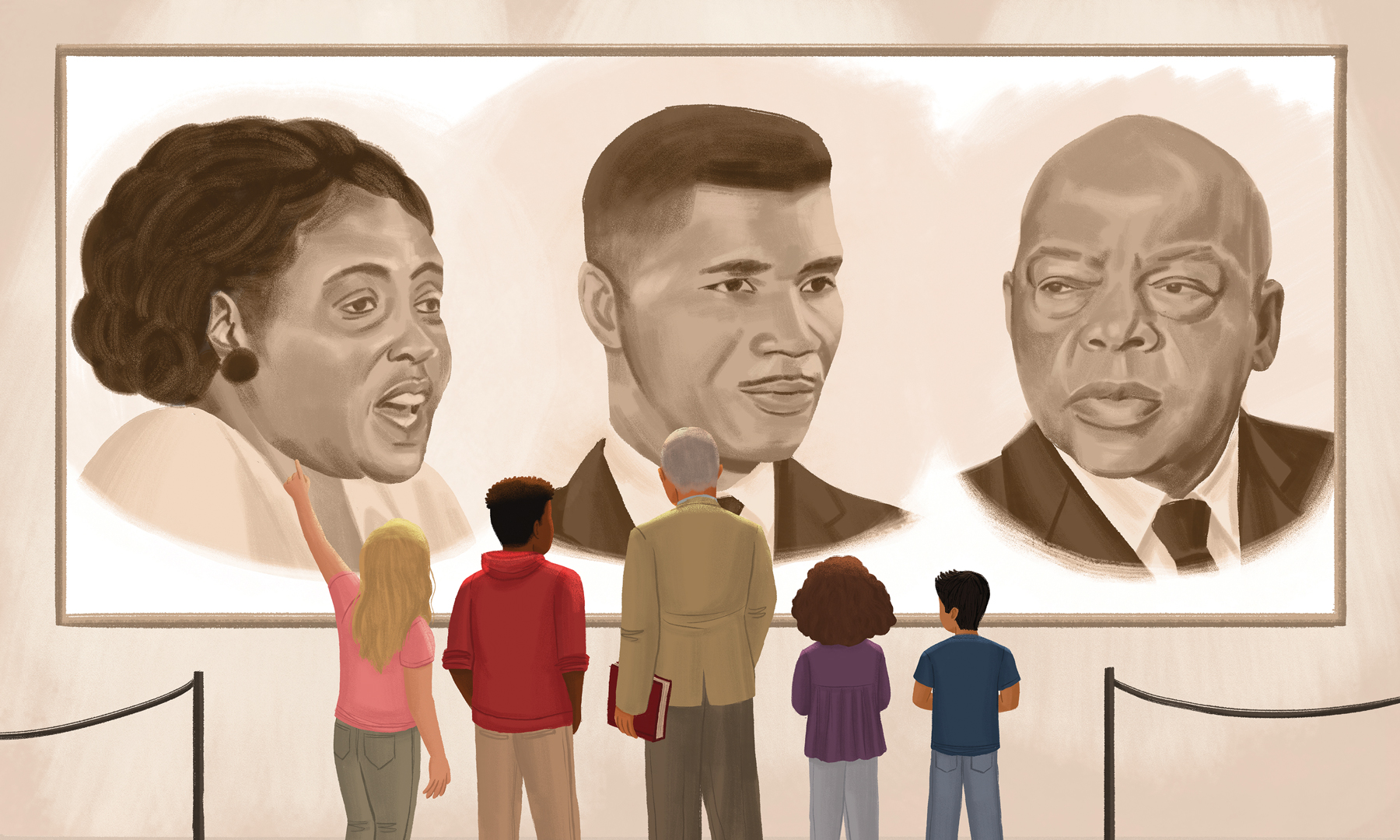
They visit the state Capitol in Montgomery, Alabama, the terminus of the historic march from Selma that helped pave the way to the passage of the Voting Rights Act of 1965. They walk across the Edmund Pettus Bridge, where Black activists were beaten and teargassed on Bloody Sunday for marching for their right to vote. For years, the late Congressman John Lewis met students on the bridge to speak about his experience there.
Wells says the students bring their new understanding of the stakes and history of voter registration and voting rights back to Ohio with them. After the trip’s first year, they began registering voters and educating peers on their campus about voting. This year, they took even more direct action.
Students obtained lists of individuals who had been purged from Ohio’s voter rolls. They visited them to let them know they’d been purged and to explain that if they’d been removed from the voter rolls in error, they were entitled to be added back onto the list and vote.
While most educators can’t take students on a cross-country tour, all educators can facilitate an exploration of the past. Regardless of where the study takes place, this history offers clear entry points to the present, inspiration for action students can take against voter suppression today.
Continuing the Fight
In Memphis, Tennessee, Benjamin Smith infuses the history and present-day fights for voting rights into his African American studies and sociology classes at KIPP Memphis Collegiate High School. Like Wells, he’s found that students are more likely to engage with voting once they understand the context.
“For a lot of Black students,” Smith says, “they see voting as this rigged system that only allows white supremacy to prosper. So the best way [they’ve found] to respond to that is to not engage with it at all. I’ve found that nobody has really contextualized voting. … So a lot of the students don’t understand the ways in which voter suppression has hindered African Americans in actually voting.”
Smith stresses that this is work that needs to be done in every school but that educators teaching this topic shouldn’t “sensationalize” it. He encourages white educators in particular to reflect on their positionality and privilege so as not to reproduce racism in their classrooms.
“There have to be real conversations with students about the history of politics and voter suppression and how that impacts them today,” he says. “And it will take white teachers reflecting and finding ways to … carry these conversations within their classrooms. A lot of schools with predominantly white students are not having conversations about the historical voter suppression of African Americans. These [schools] are the gatekeepers to those political systems.”
With his own students, Smith looks at systems like education, economics and politics to discuss how voter suppression manifests within each. For example, he teaches about contemporary practices like gerrymandering and contextualizes them within history. Juxtaposing past and present, he explains poll taxes and literacy tests from the 1950s and ’60s, then compares them to voter-suppression tactics that exist today. Once students have this important context, Smith helps them register to vote.
As the work of these educators shows, it is critical that students learn how our nation’s history of voter suppression still affects elections today. If not, they run the risk of viewing the struggle for voting rights as a relic of the past. But when educators help them make these connections, students can come to understand the true power behind their vote—and why it’s worth fighting for.