SPLC Heads to Trial to Restore Floridians’ Right to Citizen-Led Ballot Initiatives – Learn More

  • SPLC
  • Learning for Justice
  • Civil Rights Memorial Center
  • Press Center
  • Donate
    • Support Us
    • Member Center
    • Friends of the Center

    Seen us on TV?
SPLC Home

Learning for Justice

  • Learning Center
    • Education Justice
    • Resisting Hate in Education
    • Civics for Democracy
    • Learning from the Civil Rights Movement
    • Learning for Justice Through Film
    • Podcasts
    • Youth Learning for Justice
    • Growing Together
  • Magazine & Publications
    • Magazine Archive
    • Publications
    • Frameworks
    • One World Posters
    • Liberation Lit Book Reviews
  • About
    • What It Means to Learn For Justice
    • The Power of Place
    • Reprints & Permissions
    • Subscribe to the LFJ Newsletter

More

  • Stories
  • Press Center
  • Contact
  • Report Hate

About

  • Our History
  • Impact Report
  • State Offices
  • Careers
  • Open RFPs
  • Financial Information

Ways to Give

  • Member Center
  • Planned Giving
  • Stock Gifts
  • Donor Advised Funds
  • IRA Gifts
  • Workplace Giving
  • Annuity Gifts
  • Peer to Peer
  • FAQs
Clear
Showing results 1-10 of 16
    • Civil Rights Movement
    • Race and Ethnicity

    Classroom Resource

    Together, You Can Redeem the Soul of Our Nation

    Congressman and civil rights movement hero John Lewis wrote this final article to be published on the day of his funeral.

    July 18, 2022

    John Lewis

    • Class
    • Race and Ethnicity

    Classroom Resource

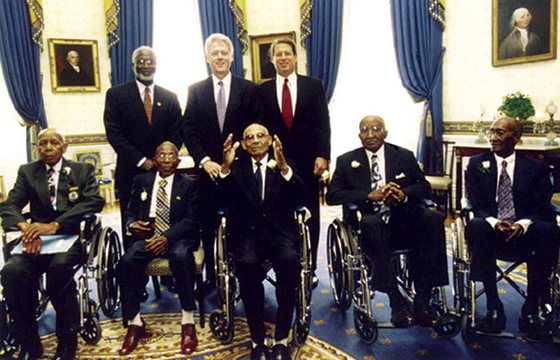
    Bill Clinton apologizes for Tuskegee Experiment

    President Bill Clinton delivered this speech at the White House on May 16, 1997.
    June 18, 2019

    Bill Clinton

    Bill Clinton apologizes for Tuskegee Experiment
    • Slavery

    Classroom Resource

    Sen. James Henry Hammond On the Admission of Kansas, Under the Lecompton Constitution Speech Before the United States Senate / Cotton is King

    The “Cotton is King” speech given by Senator James Henry Hammond before the U. S. Senate on March 4th, 1858.

    February 20, 2018

    James Henry Hammond

    • Slavery

    Classroom Resource

    Slavery a Positive Good

    A speech given by Senator John C. Calhoun in the United States Senate on February 6, 1837.

    February 20, 2018

    John C. Calhoun

    • Slavery

    Classroom Resource

    Incidents in the Life of a Slave Girl

    Harriet A. Jacobs escaped from enslavement in North Carolina in 1835, making her way to Philadelphia and then to New York. She wrote this memoir of her experience in enslavement and escape from it in the 1850s while she was in New York. A company in Boston published the narrative in 1860.

    January 6, 2018

    Harriet A. Jacobs

    • Slavery

    Classroom Resource

    Frederick Douglass Describes Enslavers

    Frederick Douglass escaped slavery and became one of America’s most famous abolitionist speakers. This passage comes from his autobiography, published in 1846. This book, in which Douglass described his experience in and escape from enslavement, reached a mass audience in the United States and abroad.

    January 6, 2018

    Frederick Douglass

    • Slavery

    Classroom Resource

    “Cornerstone” Speech

    Stephens, Vice President of the Confederate States of America, describes improvements of governance under the Confederate States of America (CSA) constitution and provides reasons for the Southern states’ secession.

    January 6, 2018

    Alexander H. Stephens

    • Slavery

    Classroom Resource

    Declaration of the Immediate Causes Which Induce and Justify the Secession of South Carolina from the Federal Union

    South Carolina was the first state to secede from the Union in December 1860. States that left the Union created documents explaining why they did so. South Carolina’s Declaration influenced subsequent state secession documents.

    January 6, 2018
    • Slavery

    Classroom Resource

    First Inaugural Address, March 4, 1861

    In his first inaugural address, President Lincoln reaffirms his desire to preserve the union and not interfere with slavery.

    January 5, 2018

    Abraham Lincoln

    • Slavery

    Classroom Resource

    Letter to Reverend Samson Occum (1774)

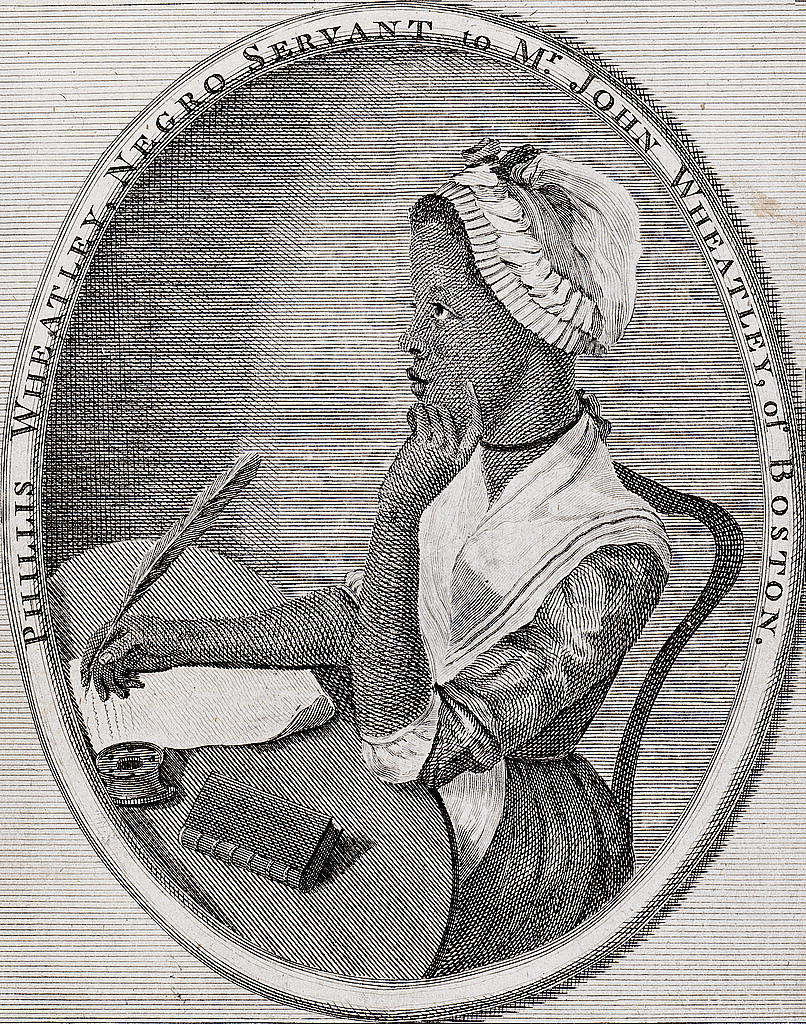
    Enslaved African-American poet Phillis Wheatley’s letter to Reverend Samson Occum, an ordained Presbyterian minister who was a member of the Mohegan Tribe. This letter appeared in the March 11, 1774 edition of The Connecticut Gazette.
    January 5, 2018

    Phillis Wheatley

    Letter to Reverend Samson Occum (1774)
1 2
Next

Get the latest updates from
Southern Poverty Law Center.

This field is for validation purposes and should be left unchanged.


  • Racial Justice Issues
  • Find Resources
  • State Support
  • Support Us
  • Careers
  • Class Action Lawsuits
  • Press Center
  • Contact Us
  • Member Center
  • The Civil Rights Memorial Center
  • Learning for Justice
  • Learning for Justice Archive
Southern Poverty Law Center
  • Facebook
  • Instagram
  • YouTube
  • TikTok

SPLC is a nonprofit, tax-exempt 501(c)(3) organization (EIN: 63-0598743)

The Southern Poverty Law Center
400 Washington Avenue
Montgomery, AL 36104

  • Privacy & Terms
  • Accessibility Statement

© Copyright 2025 SPLC. All Rights Reserved.