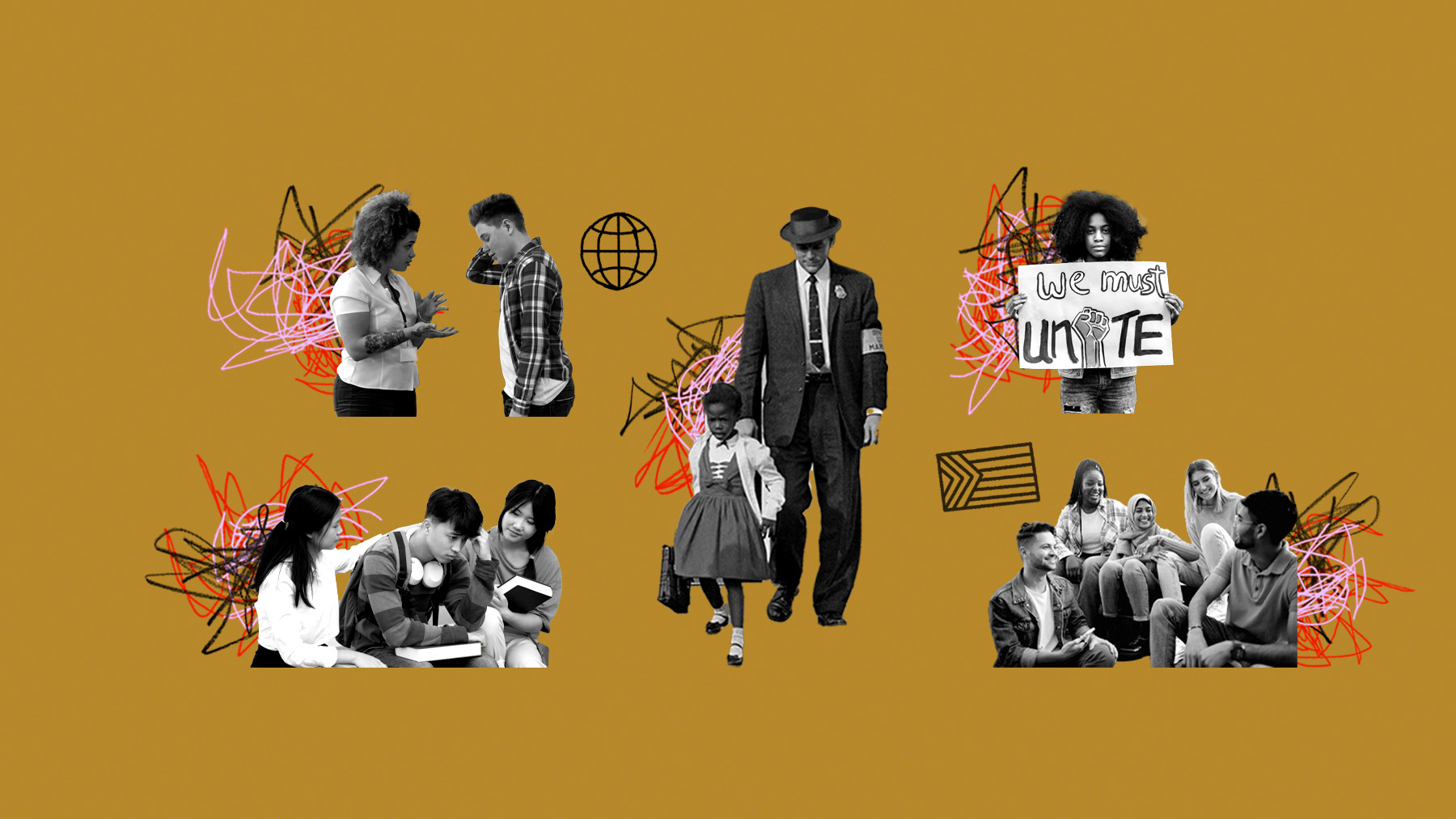
We all have a responsibility to resist hate in our society and to foster safer learning spaces for young people — especially those being targeted by hate and discrimination. Cultivating dialogue, engaging with facts and protecting students’ right to learn are essential components in strategies for prevention, intervention and response to hate and bias.
The media in today’s political environment is filled with divisive messages, especially from public figures who perpetuate hate along with disinformation. Many of these messages target people based on identity — race and ethnicity, immigration status, sexual and gender identity, religion and more. And young people who are exposed to hate-filled media often struggle to discern facts and participate responsibly in their schools and communities. Understanding the connections between race in our history and white supremacist ideologies today is crucial for countering hate in the United States.
The resources in this series offer strategies to help us engage as a broader community across our differences and build networks to foster resilience and take action to resist hate and bias.
Learning, Reflection and Action
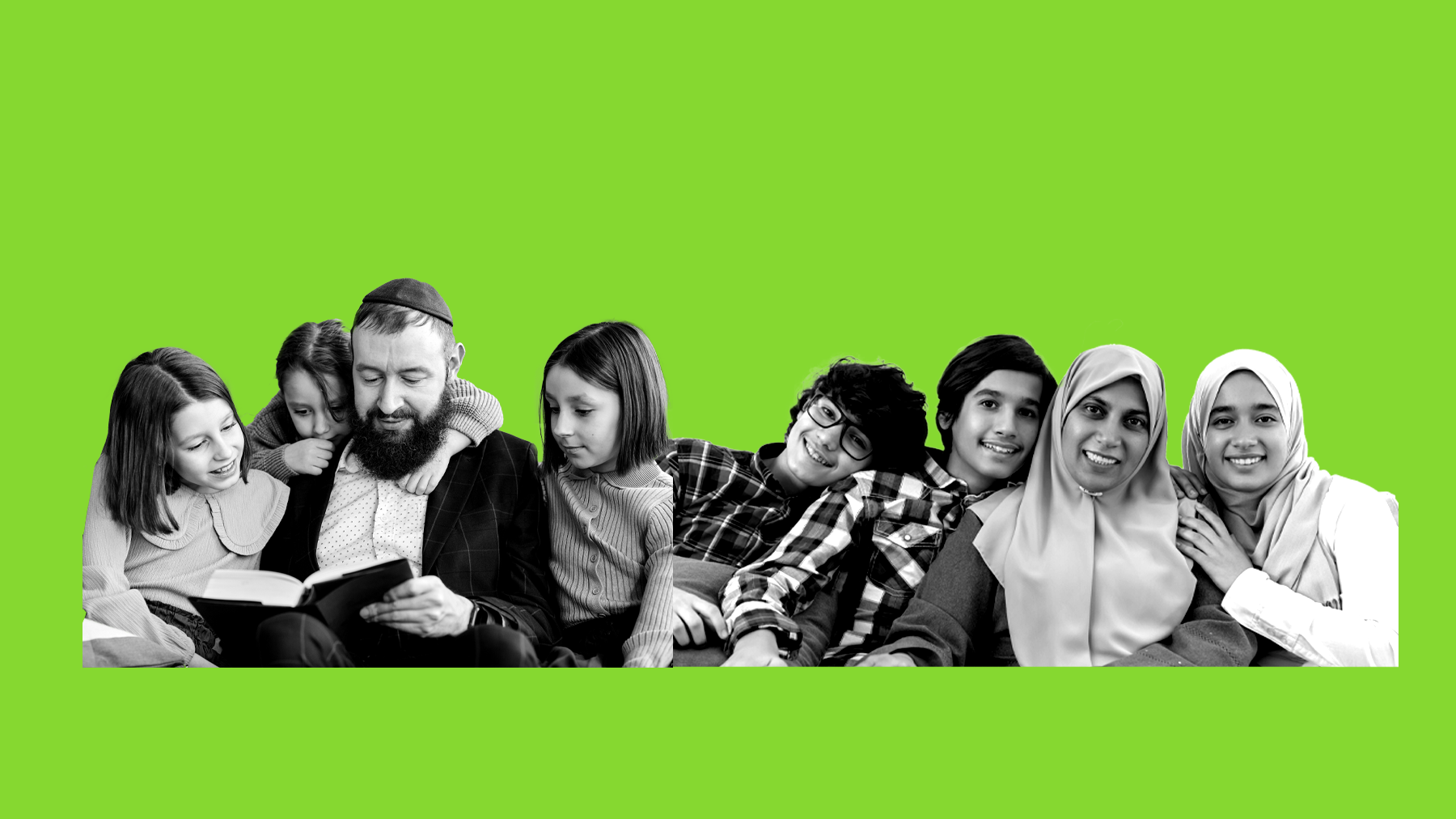
Understanding Antisemitism and Islamophobia in Education
To address antisemitism and Islamophobia in schools, we need to understand these forms of hate and how these forms of hate show up in education spaces. (Part 1 of a 2-part series)
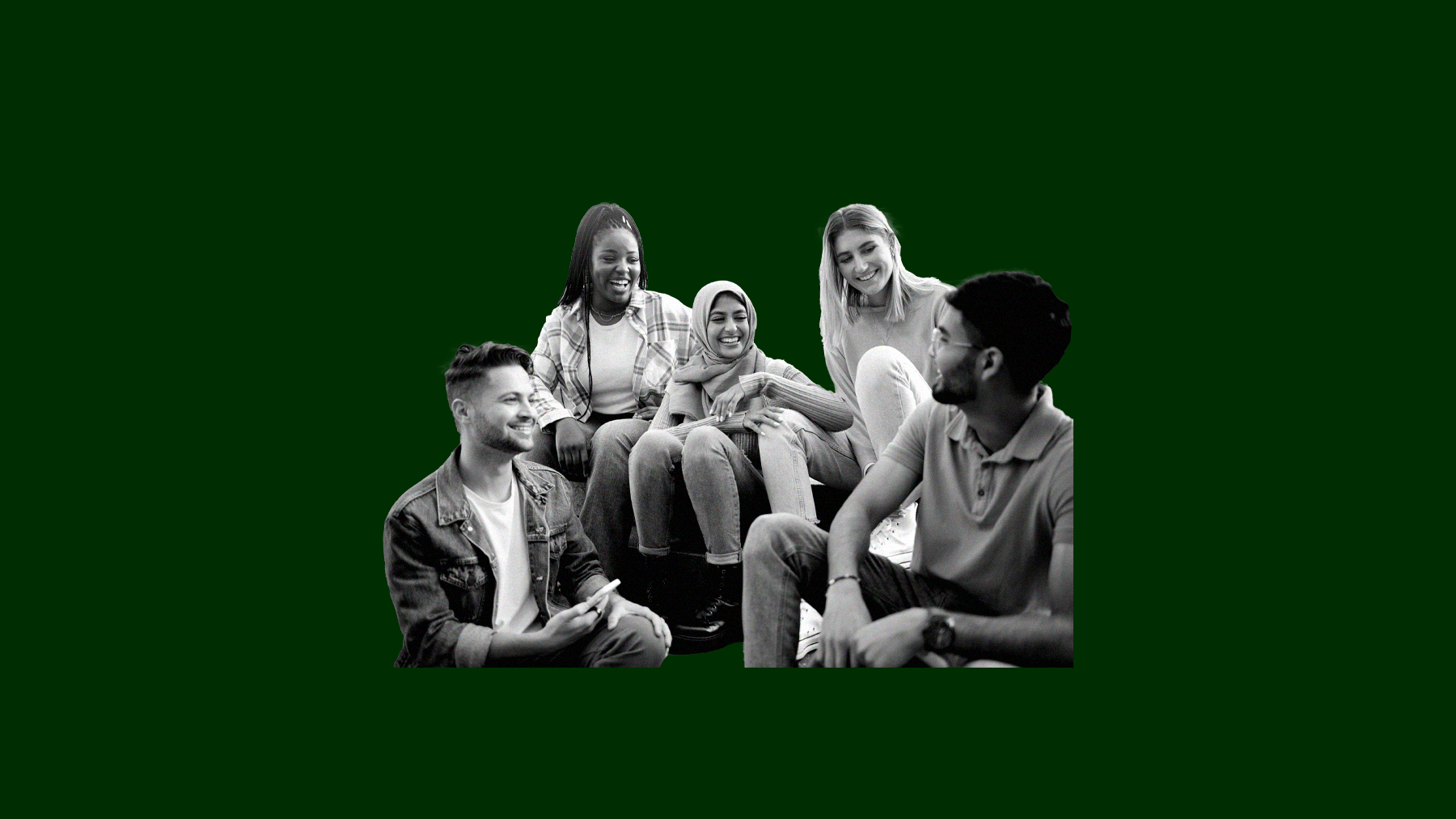
Transforming School Culture To Address Antisemitism and Islamophobia
Resources and recommendations for being intentional about constructing supportive and inclusive learning spaces to address antisemitism and Islamophobia. (Part 2 of a 2-part series)
Supporting Students from Immigrant Families
Millions of young people in the United States are children of immigrant families. All students in the U.S. have a right to public education, “regardless of a child’s or guardian’s citizenship, immigration status, or English language proficiency. These rights were upheld by the U.S. Supreme Court in its landmark 1982 decision in Plyler v. Doe.” In addition to…
Supporting LGBTQ+ Rights and Inclusion
This resource page includes articles, webinars, guides, children’s stories, podcasts and film on LGBTQ+ history, inclusive education practices and recommendations for being an ally.
Transgender Acceptance – Commit to the Fight for Equality
Uplift Transgender Awareness Week and commit to the fight for human rights and a more just future.
Women’s Rights — Women’s History
The struggle for equality and justice for all women is not relegated to history; it is the lived experience of women today in the United States and around the world.
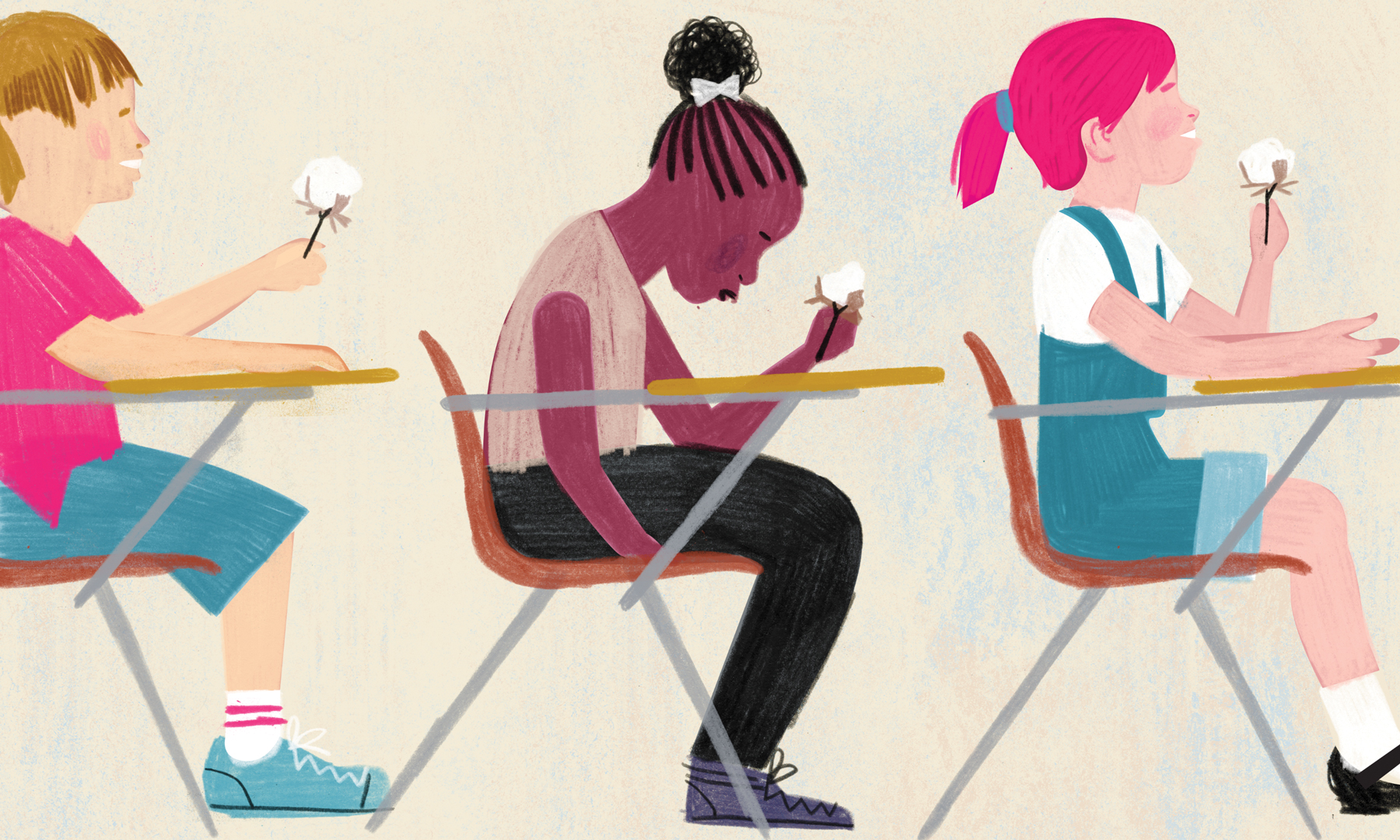
Ending Curriculum Violence
Yes, curriculum can be violent—whether you intend it or not. Here’s what it looks like and how you can avoid it.

Partnering With Families to Support Black Girls
Educators can take specific actions to make schools more supportive spaces for Black girls, whose trauma is often overlooked.
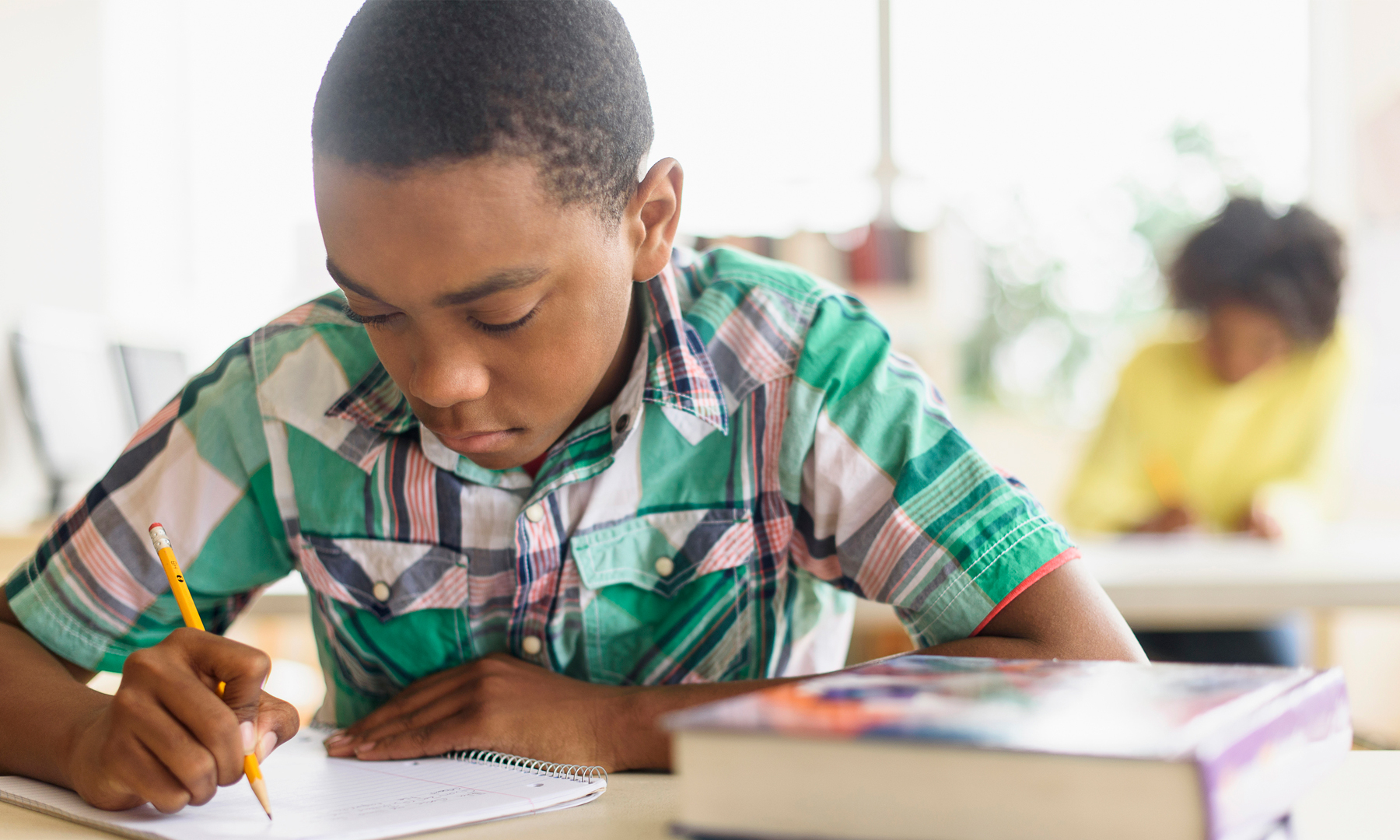
Stop Talking in Code: Call Them Black Boys
A Black educator challenges colleagues to consider the school-based and societal implications of calling Black boys “Black males.”
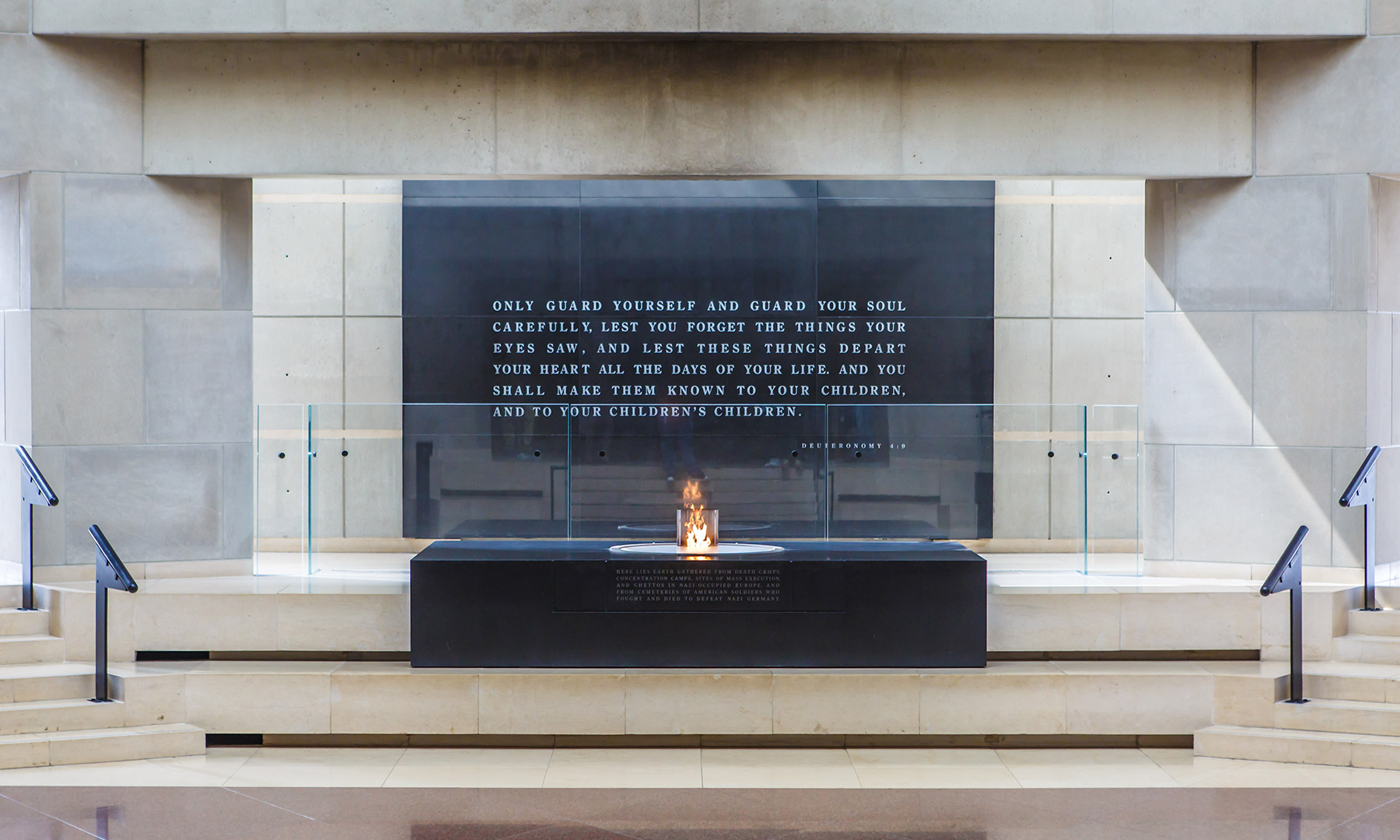
‘Never Again’ Starts With Education
Mandating Holocaust education in U.S. public schools and simultaneously banning or censoring other “hard histories” is ineffective, disingenuous and further demonstrates the importance of teaching honest history.
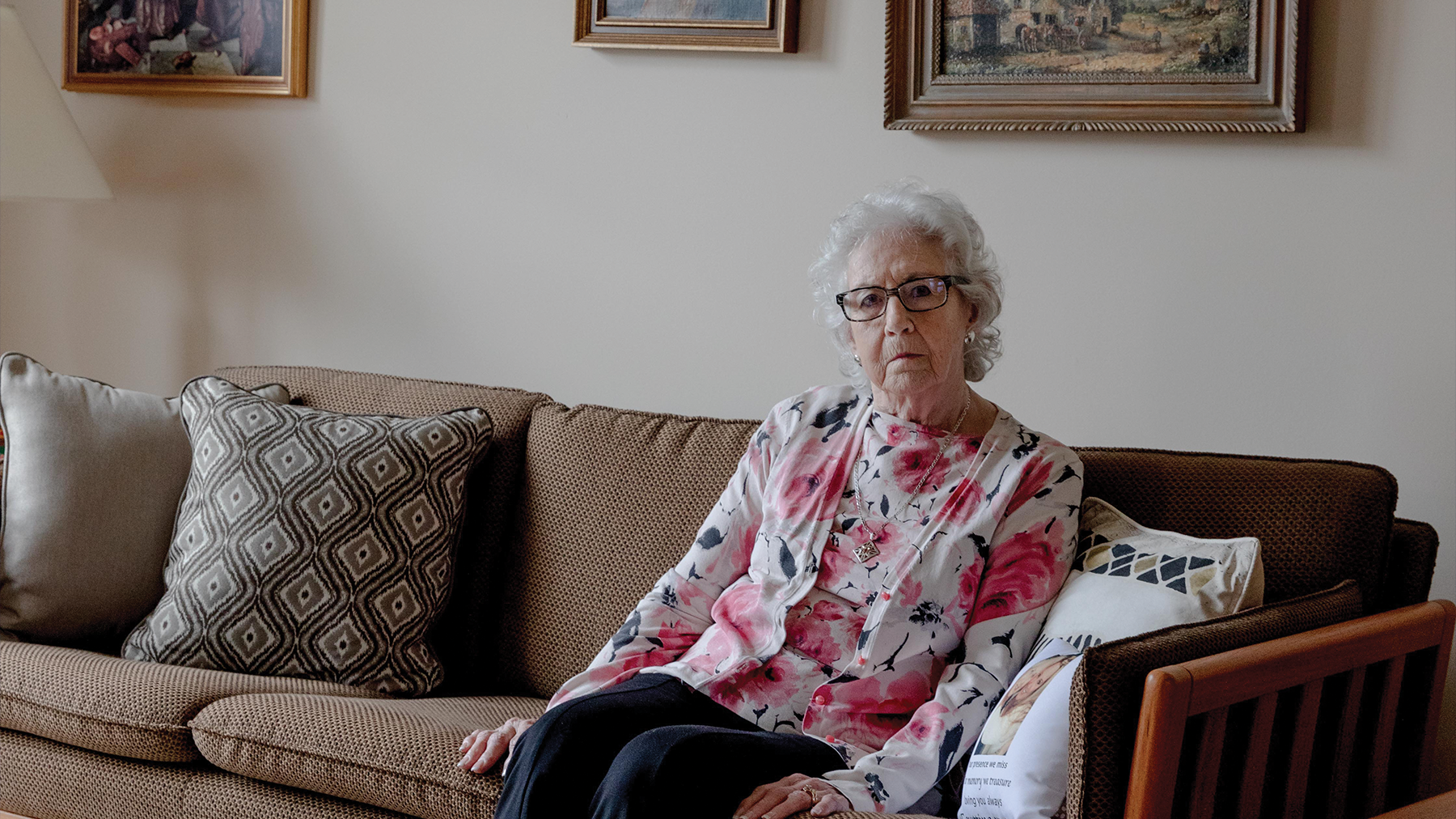
Inspiring Hope: A Conversation With Maud Dahme
Maud Dahme, Holocaust survivor and educator, emphasizes the importance of survivor testimony in learning from the past and uplifts our shared humanity.

Acclaimed Documentary ‘One Survivor Remembers’ Urges All to Never Forget
Survivor testimony provides a crucial way to learn about the Holocaust, understand the context, history and diversity of Jewish people, and address antisemitism in the world today.
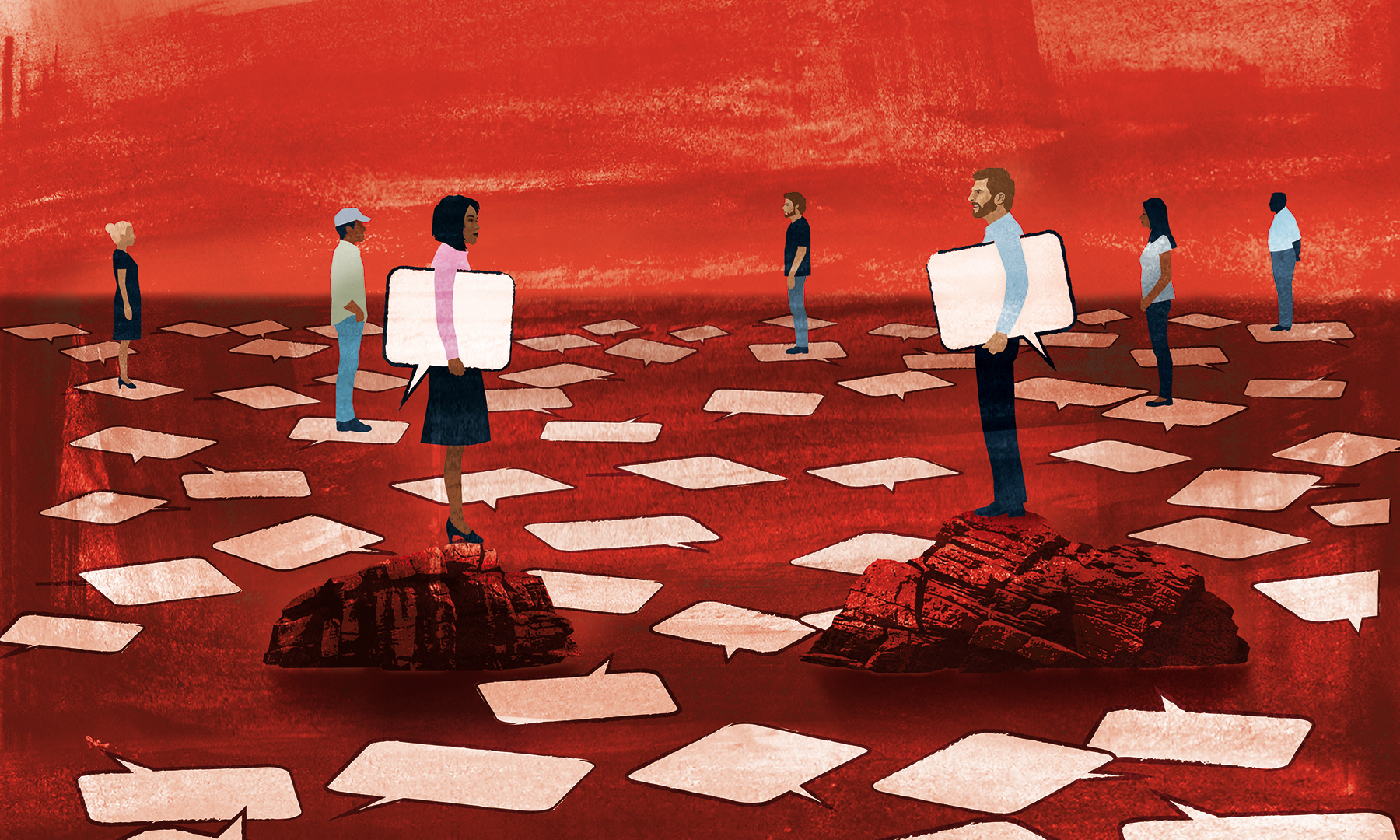
The Promise of Building Bridges
The UCLA Dialogue Across Difference Initiative offers a model to foster a culture of meaningful exchange, empathy and critical thinking in education and communities.

Prevention and Resilience: Supporting Young People Through Polarizing Times
During this time of political and social turmoil, build networks of trusted adults to help young people understand, contextualize and counter manipulative and harmful information.
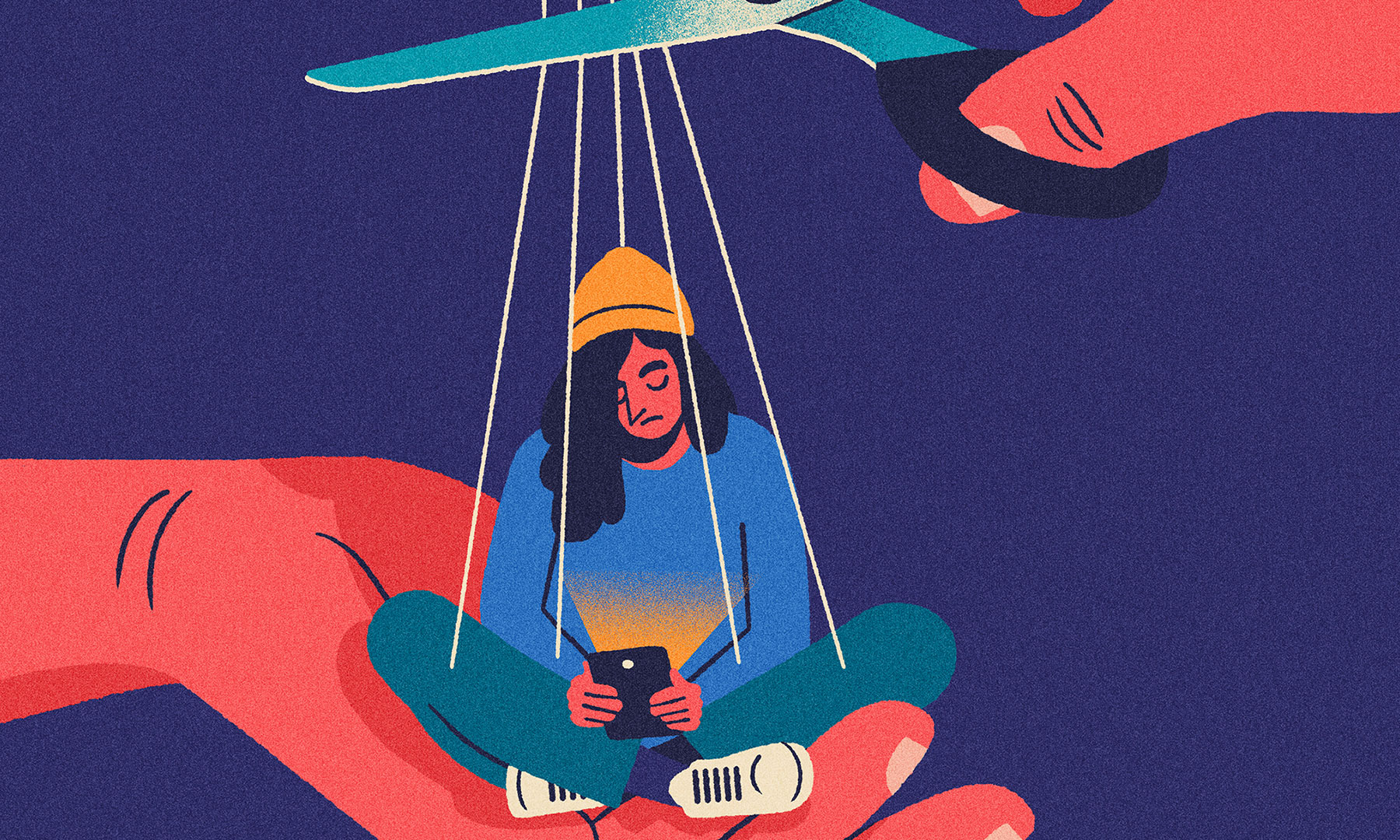
Building Resilience Against Manipulative Disinformation
Supporting young people’s mental health and well-being is essential in addressing vulnerabilities to harmful disinformation.
Videos and Podcasts
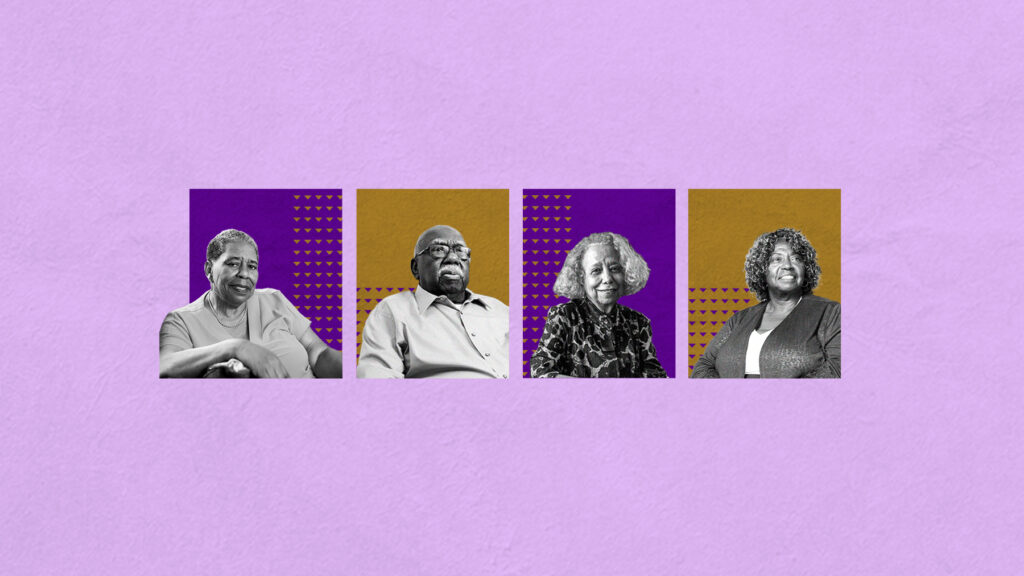
History and the Power of Place
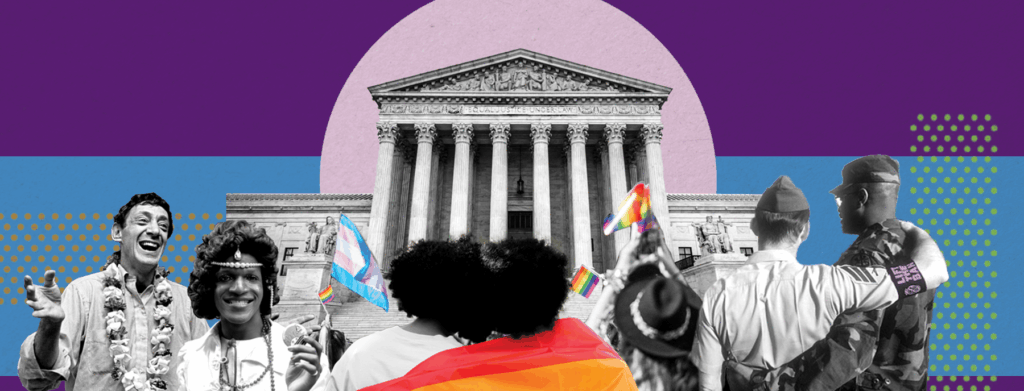
Queer America Podcast Series
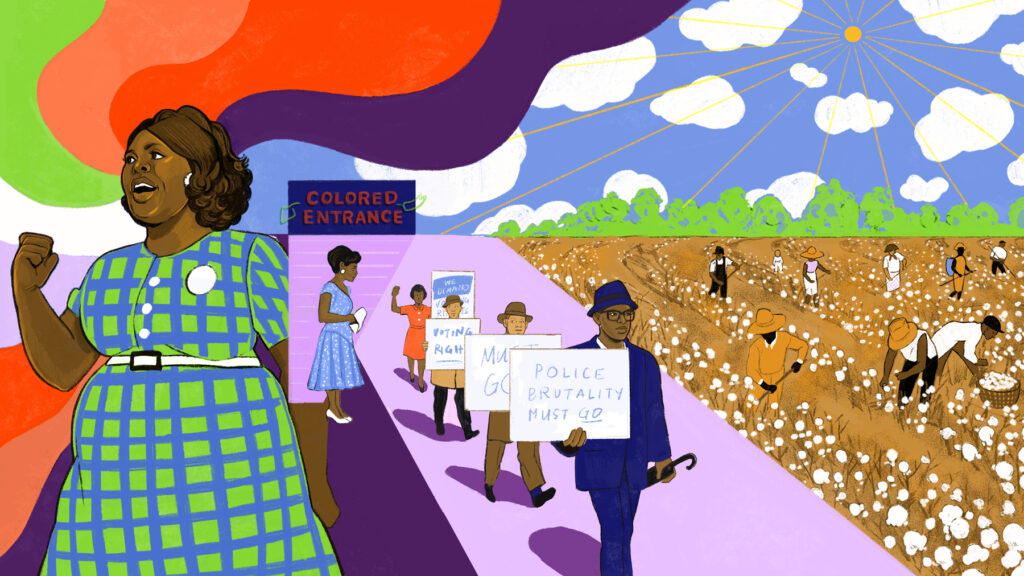
Teaching Hard History Podcast Series
Reports and Resource Publications
Social Justice Standards
Speak Up at School
Responding to Hate and Bias at School
Preventing Youth Radicalization
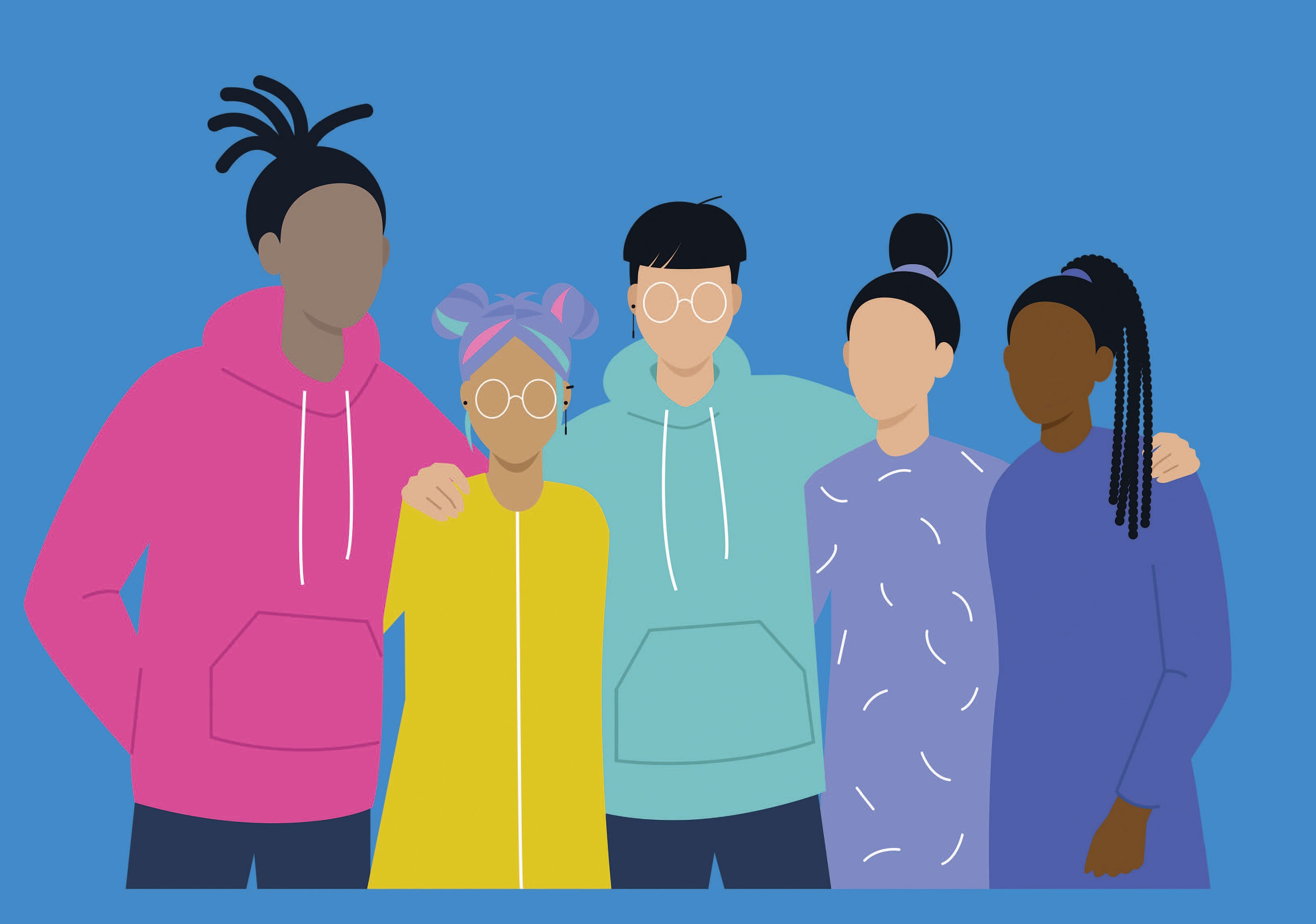
Not Just a Joke: Understanding & Preventing Gender- & Sexuality-Based Bigotry

Building Resilience & Confronting Risks: A Parent & Caregiver Guide to Online Radicalization
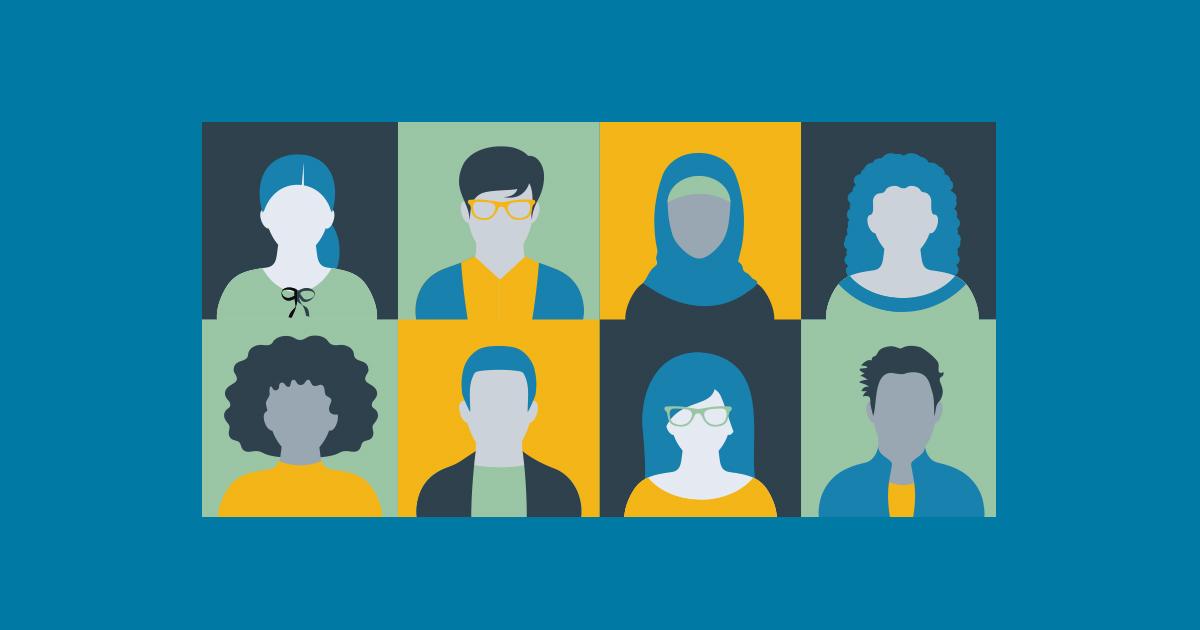
Building Networks & Addressing Harm: A Community Guide to Online Youth Radicalization
Support Democracy and Education Justice
To build a multiracial inclusive democracy requires educating for liberation and civic and political participation across the South and the nation.