
The struggle for equality and justice for all women is not relegated to history; it is the lived experience of women today in the United States and around the world.
Amid political attacks and efforts to control bodily autonomy, women’s history must be viewed through the lens of women’s rights now.
Make a commitment to discuss, teach and learn about women’s rights and history, past and present, during Women’s History Month and every day. Legislation and policies that deepen injustice—whether they limit teaching about race and racism, allow children and families to struggle in poverty, attempt to erase LGBTQ+ people and curtail their freedom to access care, limit reproductive rights, deny the need for environmental justice, limit disability inclusion, or restrict voting rights—are all challenges for women today. And injustice disproportionately affects women in communities that have been marginalized and heavily controlled, such as those of Black, Indigenous and other people of color; LGBTQ+ individuals; and poor people.
Learning for Justice has curated resources to help discuss and uplift both the history of and the ongoing struggle for women’s equality, with stories of unsung heroes and from an intersectional lens. We hope you’ll use and share these resources, not only during Women’s History Month but all year long.
Resources
Articles
The Women’s March: Protest and Resistance

The 2017 Women’s March made a powerful statement for women’s rights and resistance to divisive rhetoric. The movement’s greater impact is its energizing of activists, especially young women, in the United States and around the world.
A Supremely Historic Moment
With Ketanji Brown Jackson as the first Black woman appointed to the U.S. Supreme Court, we can all learn important lessons about intersectionality, representation and our essential role in eliminating obstacles for young people.
Insist on Persistent Women: Women’s History in the K-8 Classroom
Young people need stories of persistent women who have fought for gender equality. Women’s History Month is a good time for us to recommit to teaching those stories.
A More Complete Women’s History
Go beyond “famous firsts” and teach about the many ways women show up in the world.
Teach About Native American Women Leaders
Build students’ media literacy by helping them contextualize stories about women candidates—and particularly Native women candidates—during election season and beyond.
Nothing About Us Without Us Is for Us

Youth activist Hazel Edwards recounts her journey from being pushed out of school to teaching her district how to serve transgender students.
Roe v. Wade—What Can Educators Do?
While we may feel overwhelmed in the aftermath of the overturned landmark decision, we are neither hopeless nor helpless. A social justice education expert offers suggestions.
Partnering With Families To Support Black Girls
Educators can take specific actions to make schools more supportive spaces for Black girls, whose trauma is often overlooked.
Lessons
Women’s Suffrage
This lesson delves into primary and secondary sources to explore the history of the women’s suffrage movement that culminated in the passage and ratification of the 19th Amendment.
Beyond Rosa Parks
Most history textbooks include a section about Rosa Parks in the chapter on the modern Civil Rights Movement. However, Parks is only one among many African American women who have worked for equal rights and social justice. This series introduces four of those activists who may be unfamiliar to students.
Posters
Audre Lorde
“You do not have to be me in order for us to fight alongside each other.”
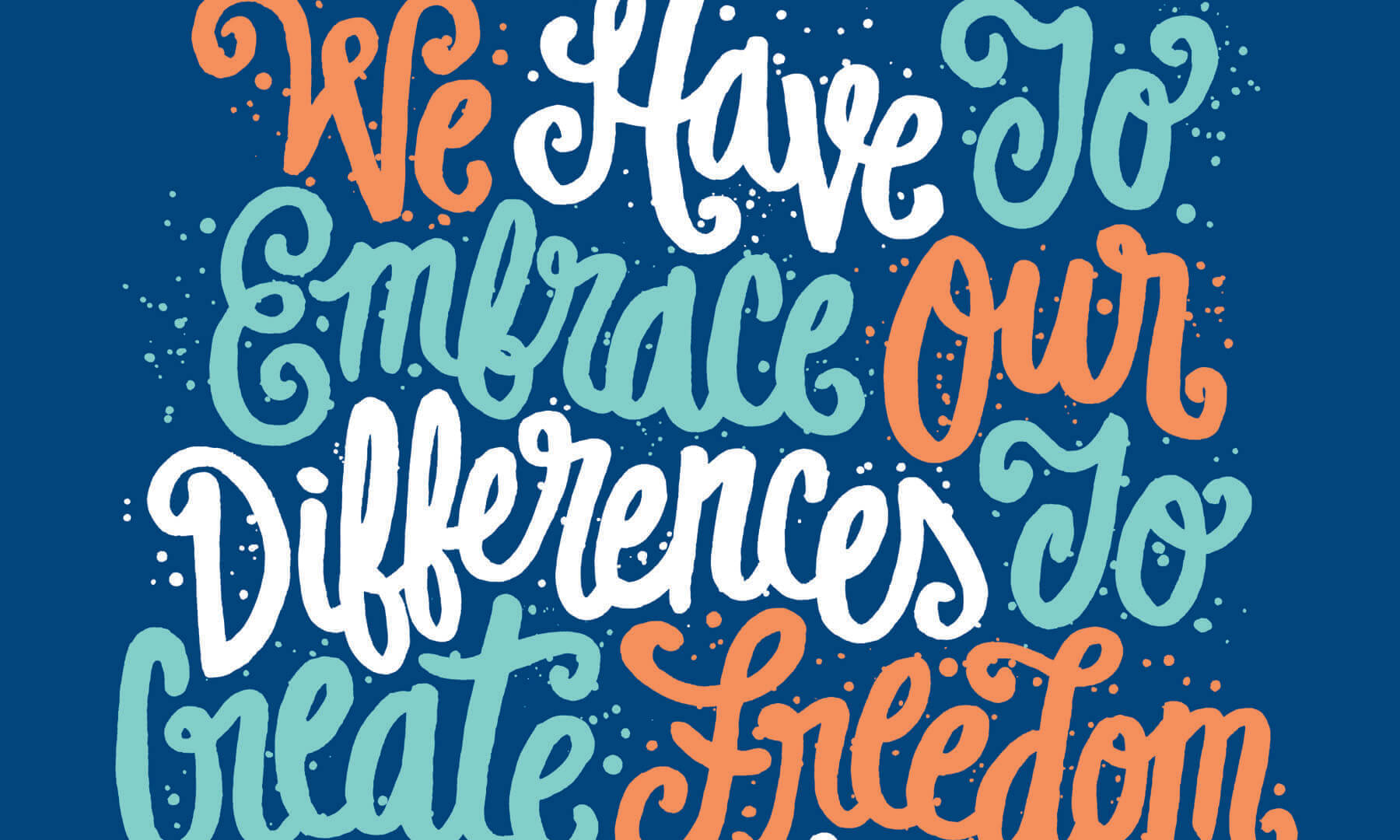
Jazz Jennings
“We have to embrace our differences to create freedom and acceptance for all.”
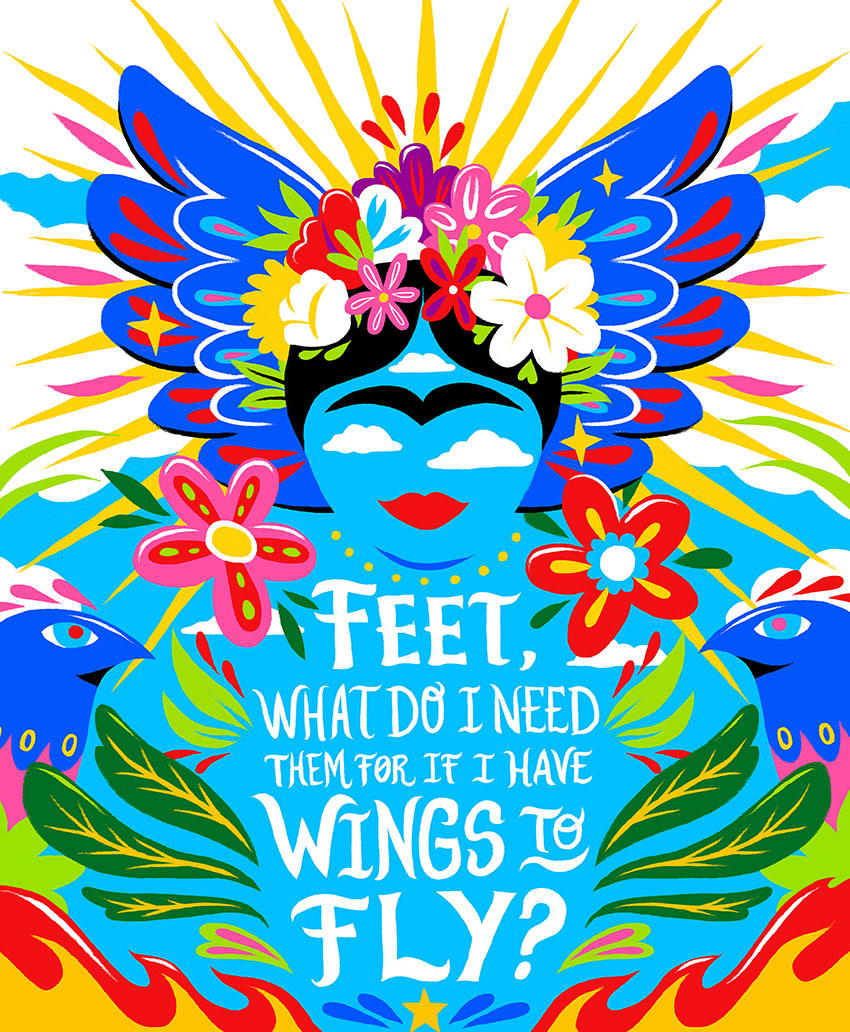
Frida Kahlo
“Feet, what do I need them for / If I have wings to fly?”