Featured
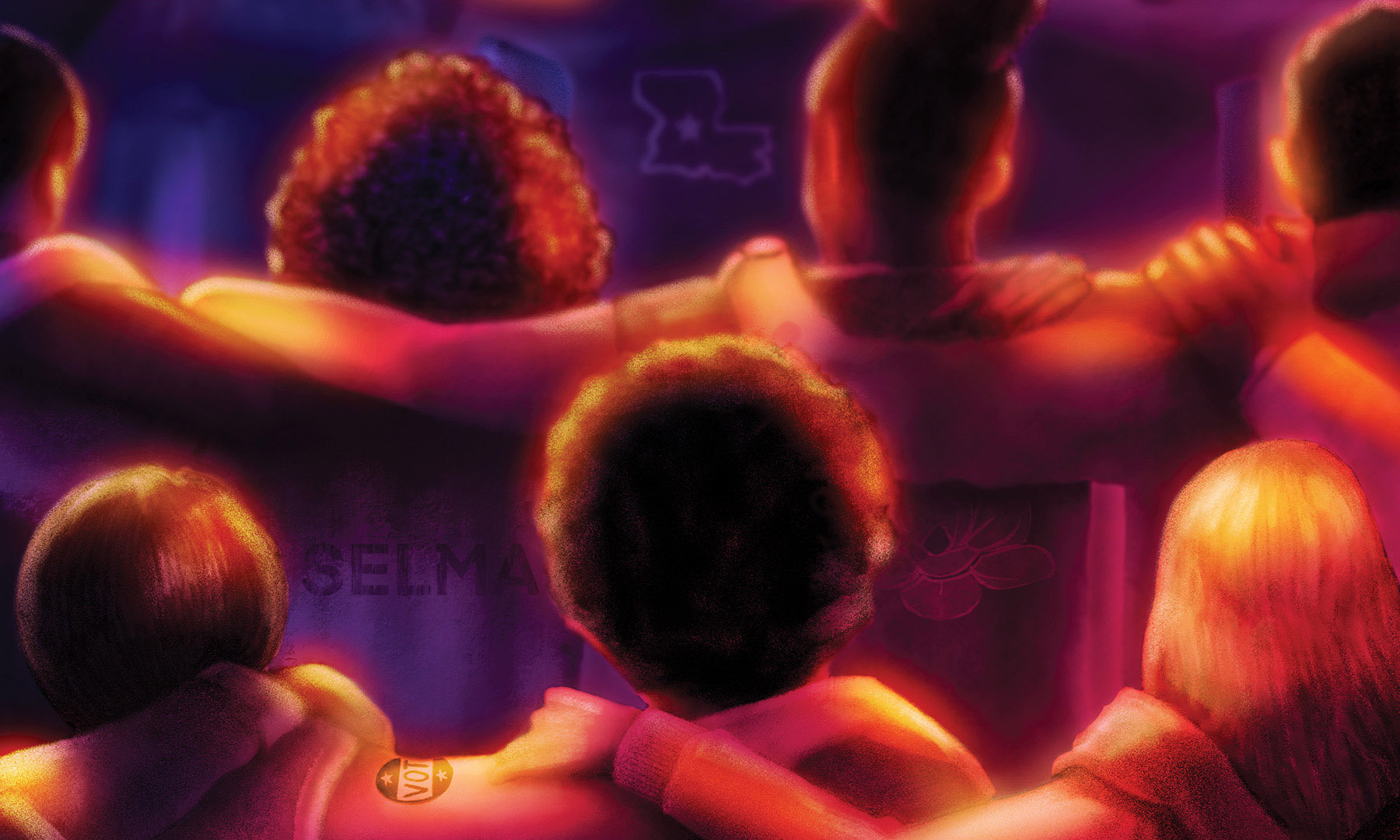
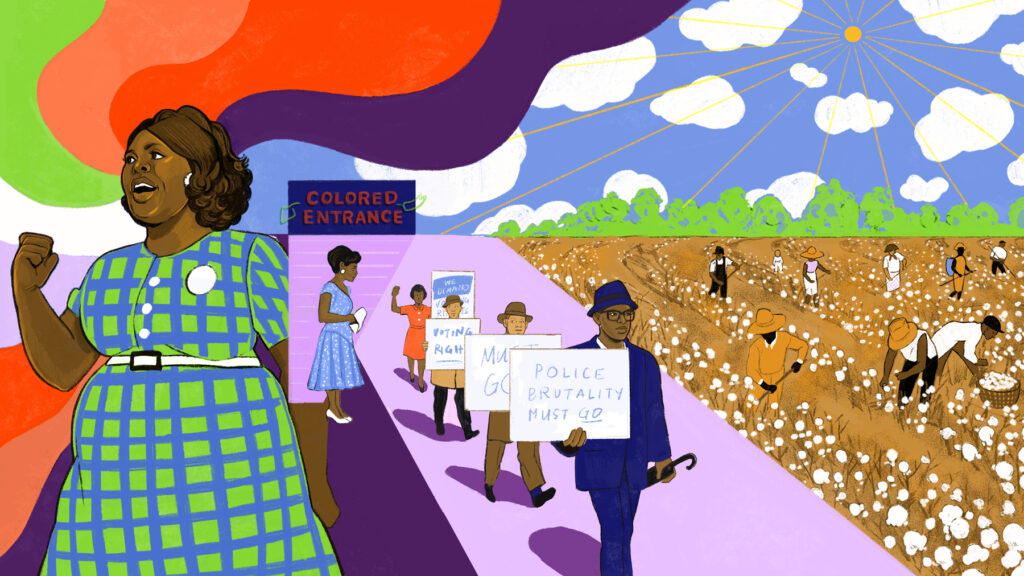
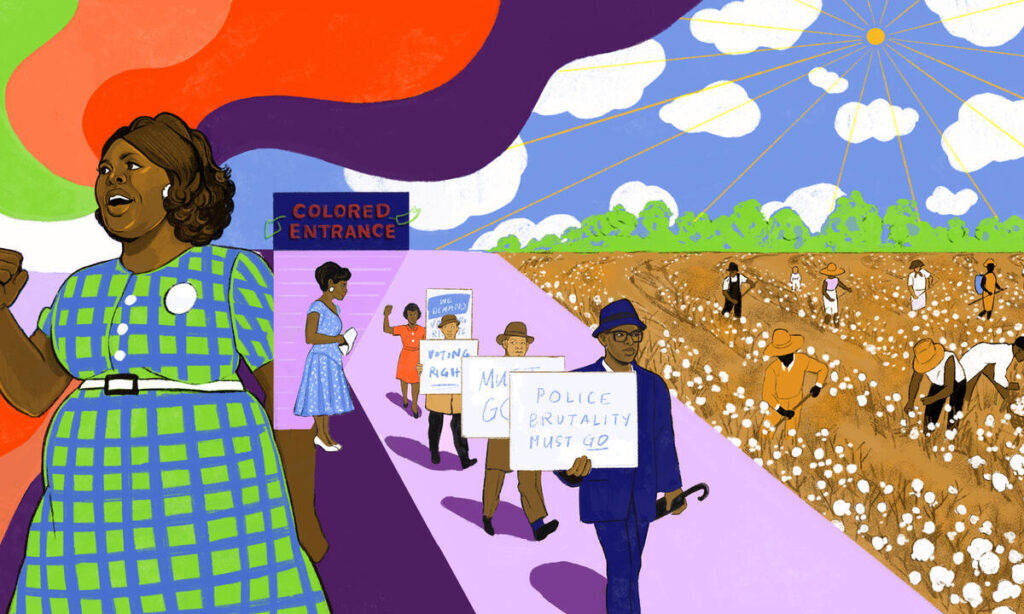
Celebrate a century of Black History commemorations. As we honor the strength of the Black leaders and ordinary people who persevered for our rights, let us commit to civic action to ensure human rights and dignity for everyone today.
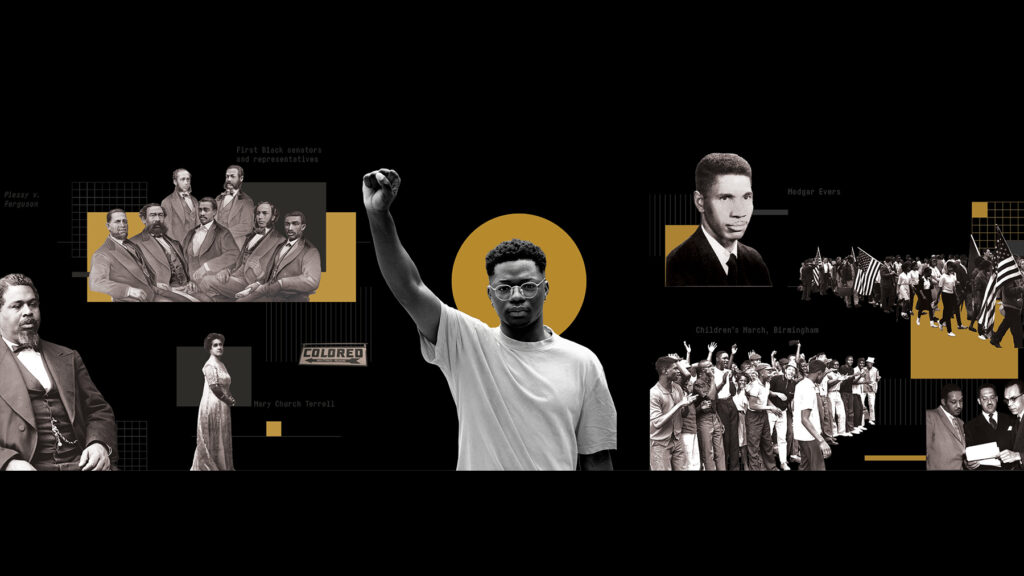
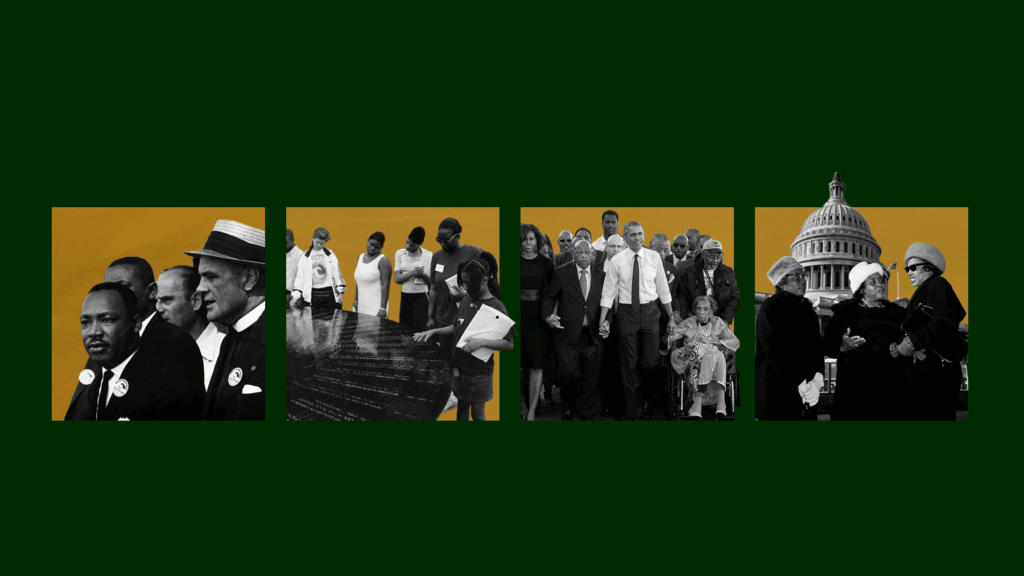
The resources in this series can help us learn from our history and examine today’s justice issues to answer the questions: “How can I make a difference?”
August 11, 2024
LFJ Staff
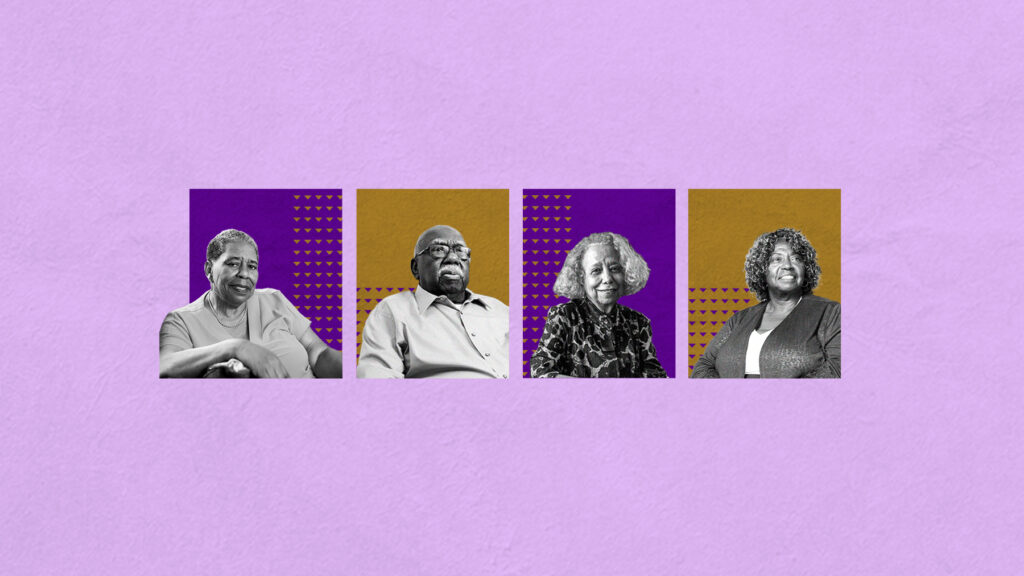
Video and Q&A conversations with Civil Rights Movement activists and witnesses to history.
October 21, 2024
LFJ Staff
This episode of Teaching Hard History: American Slavery examines the numerous ways enslaved people incorporated resistance in every aspect of their lives.
July 18, 2019
LFJ Staff
The Learning Center
Learn with us to strengthen democracy and build a more just society.
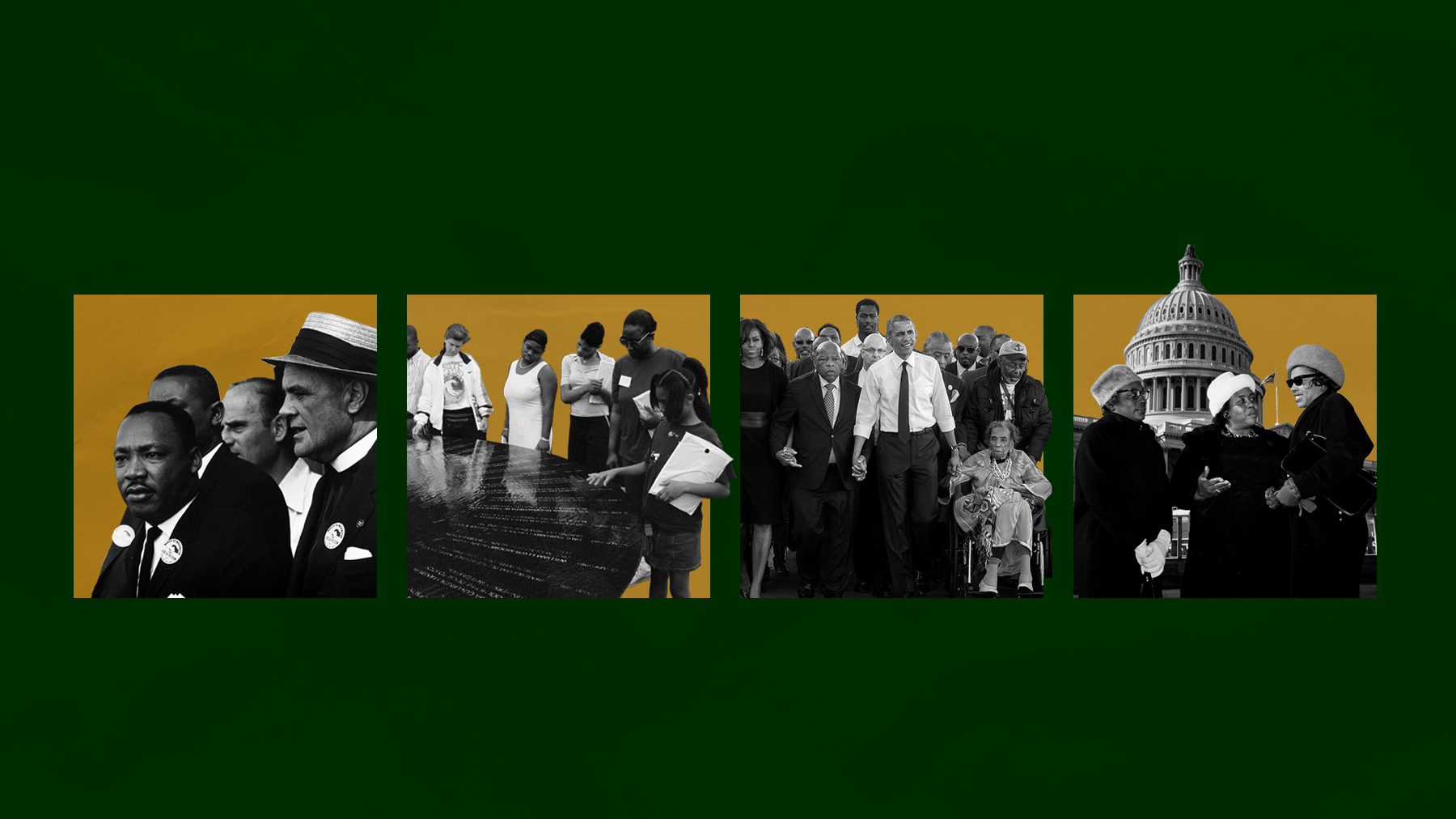




Teaching and Learning Hard History
Teaching Hard History Podcast Series
Efforts to erase and alter our country’s history have intensified, which makes understanding the hard history of the United States essential for contextualizing the present moment.
More Content
-
- Racial Justice
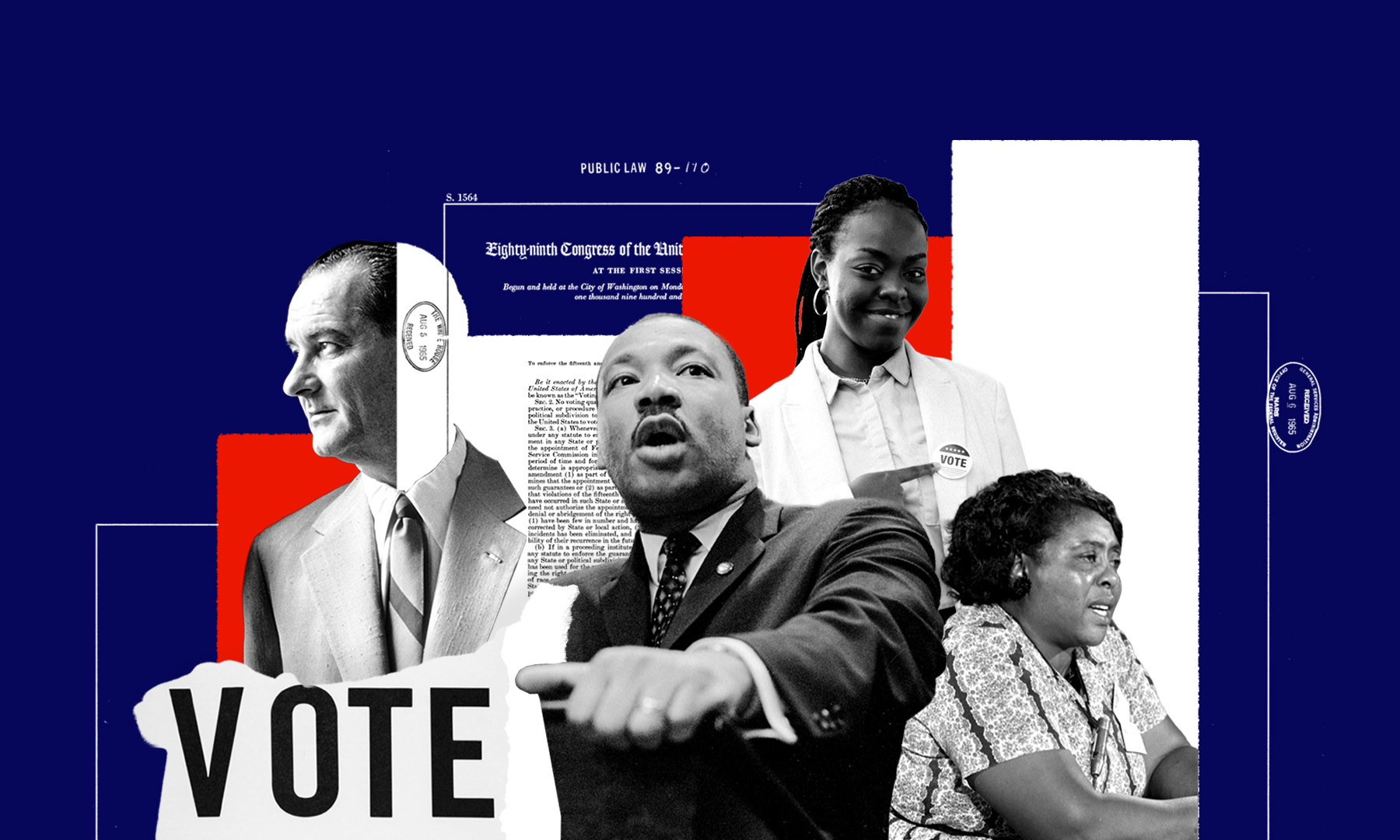
Why the 1965 Voting Rights Act Is Crucial for Democracy
The 1965 Voting Rights Act — a landmark federal law that removed barriers and affirmed the right to vote for millions of African Americans — remains essential for ensuring equal access to the ballot.
-
- Racial Justice
Supporting Students from Immigrant Families
Millions of young people in the United States are children of immigrant families. All students in the U.S. have a right to public education, “regardless of a child’s or guardian’s citizenship, immigration status, or English language proficiency. These rights were upheld by the U.S. Supreme Court in its landmark 1982 decision in Plyler v. Doe.” In addition to…

-
- Racial Justice
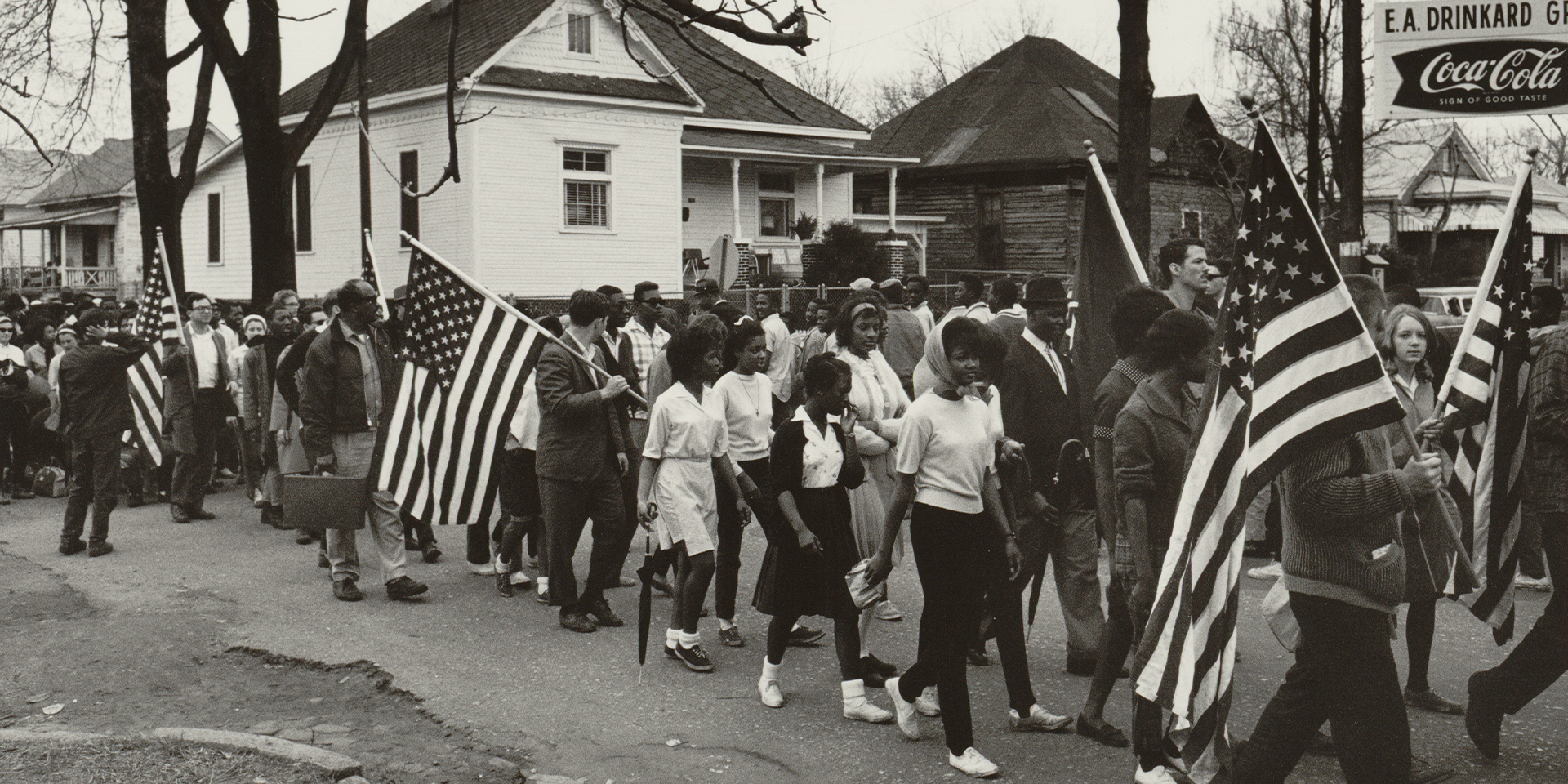
Selma: From the Bridge to the Ballot
Learn how the 1965 Selma to Montgomery march marked a pivotal moment in the Civil Rights Movement and demonstrated the courage of ordinary people.
-
- Racial Justice
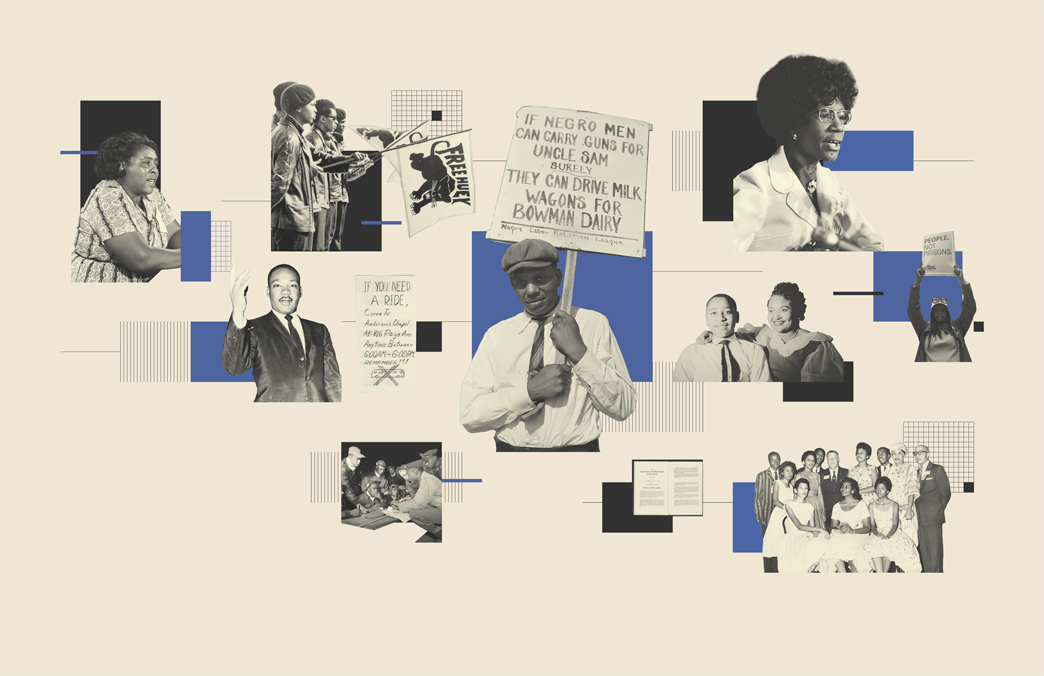
The Civil Rights Movement: 10 Key Concepts
These 10 key concepts and main points encourage us to think critically about the complexities of history as we learn about and from the Civil Rights Movement of the 1950s and ’60s.
-
- Racial Justice
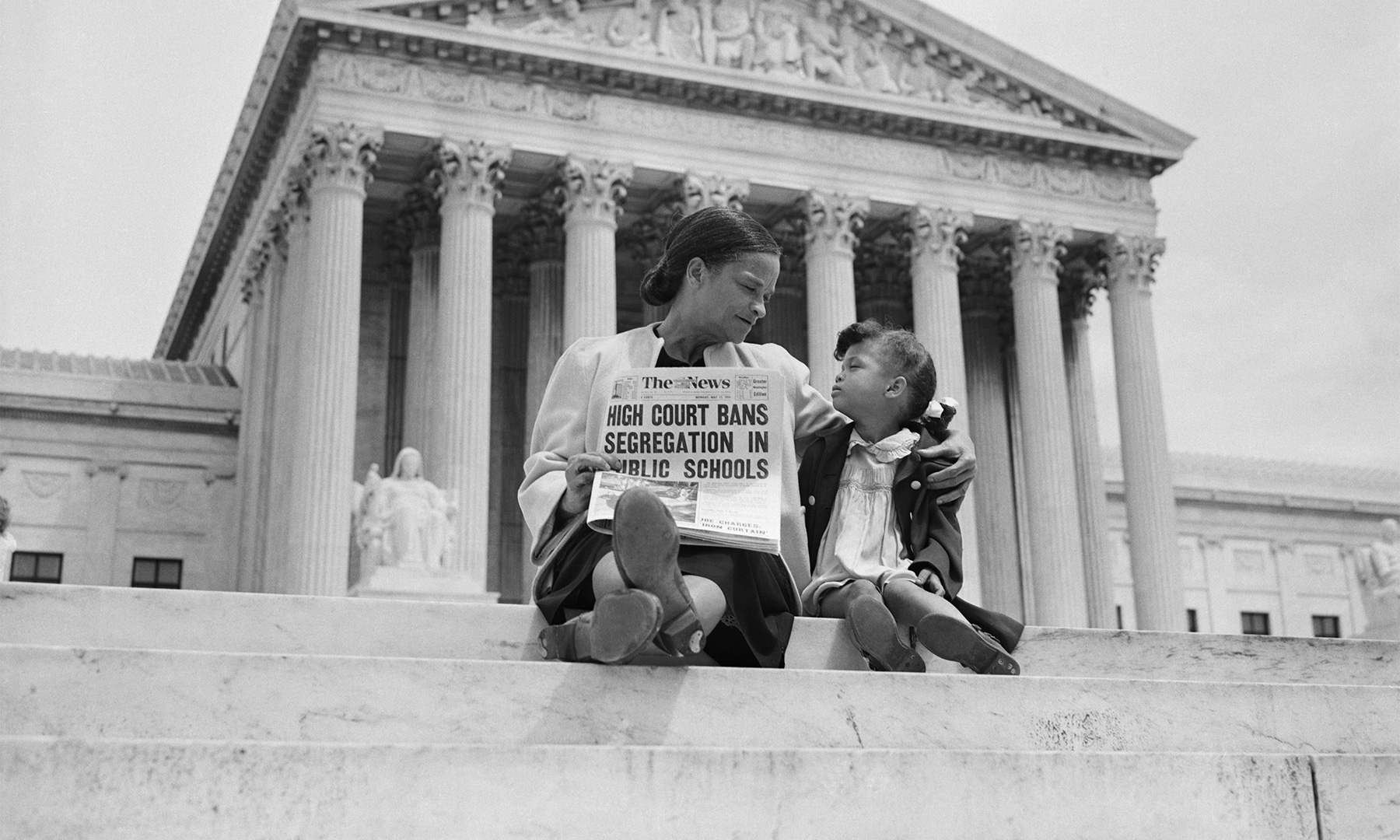
Strategies of the Civil Rights Movement
This learning module examines the questions: How did people organize, and what strategies did they use in the Civil Rights Movement?
-
- Racial Justice
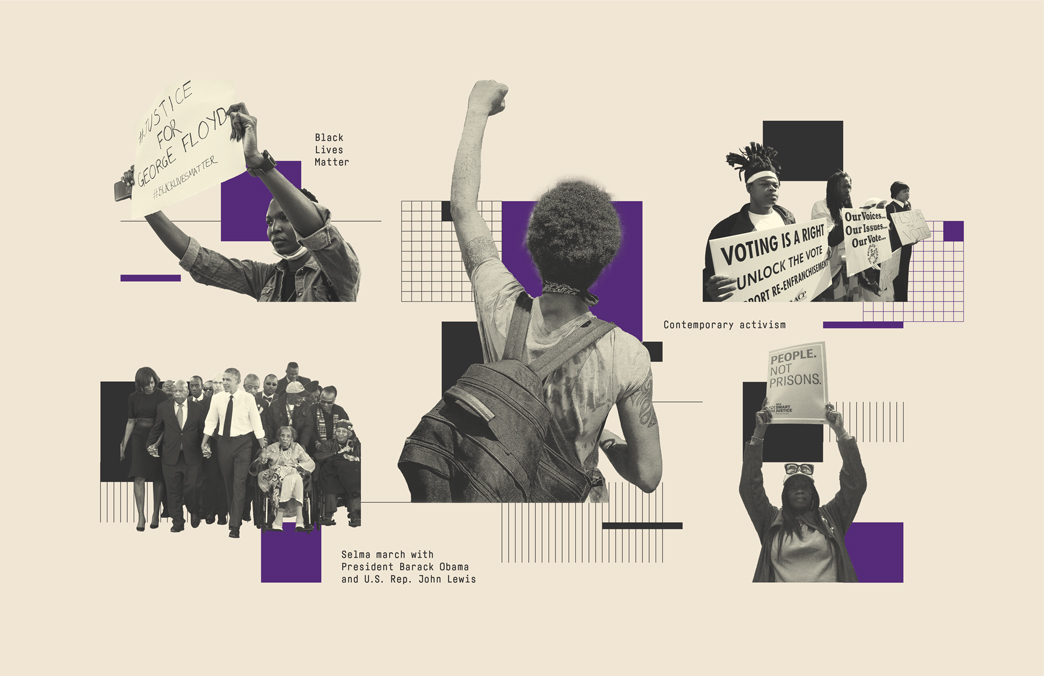
Guiding Principles
These strategies provide guidance for practices that can be integrated into planning and instruction.
-
- Racial Justice
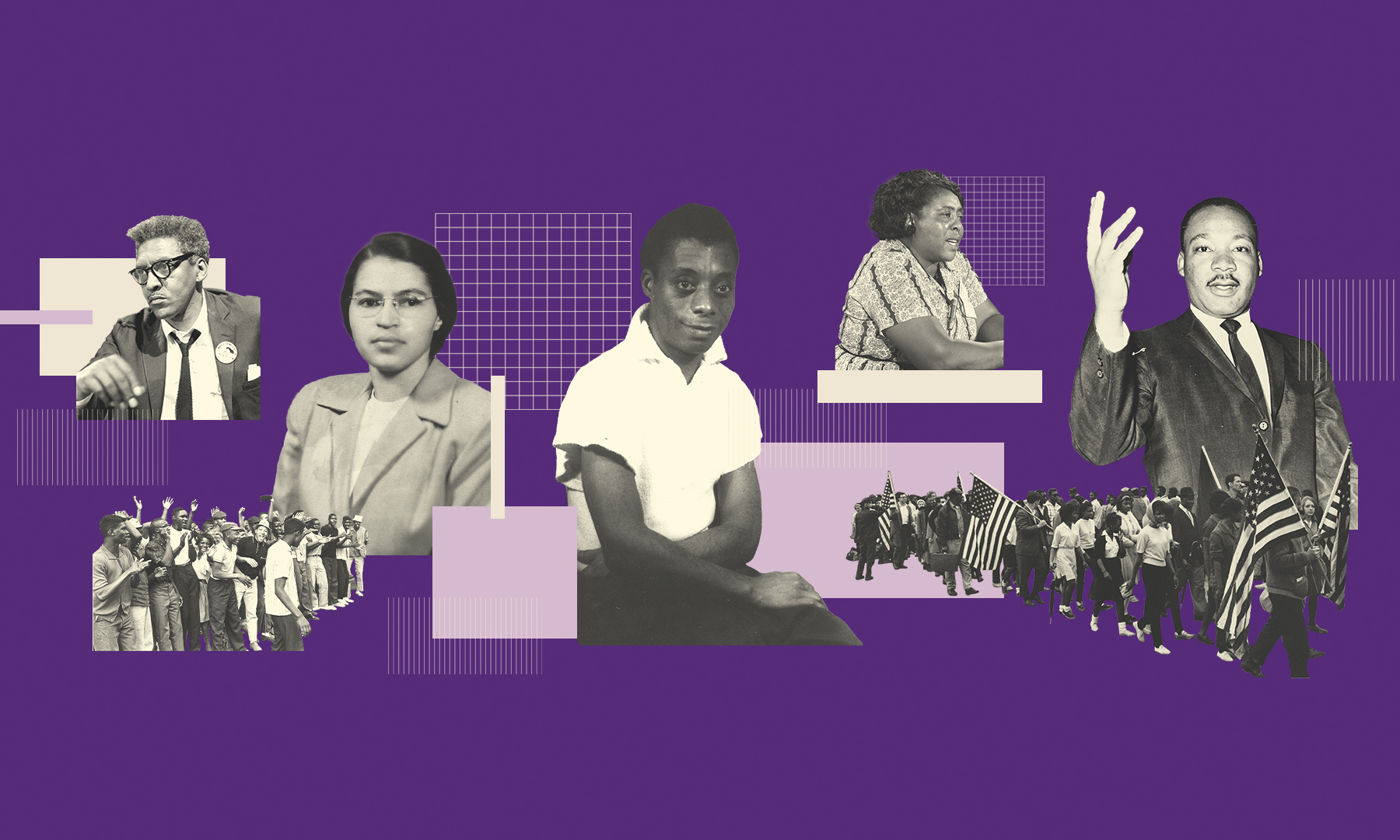
Teaching the Civil Rights Movement
A curriculum framework for teaching Black Americans’ struggle for freedom and equality from Reconstruction through the Civil Rights Movement of the 1950s and ’60s to the present.
-
- Racial Justice
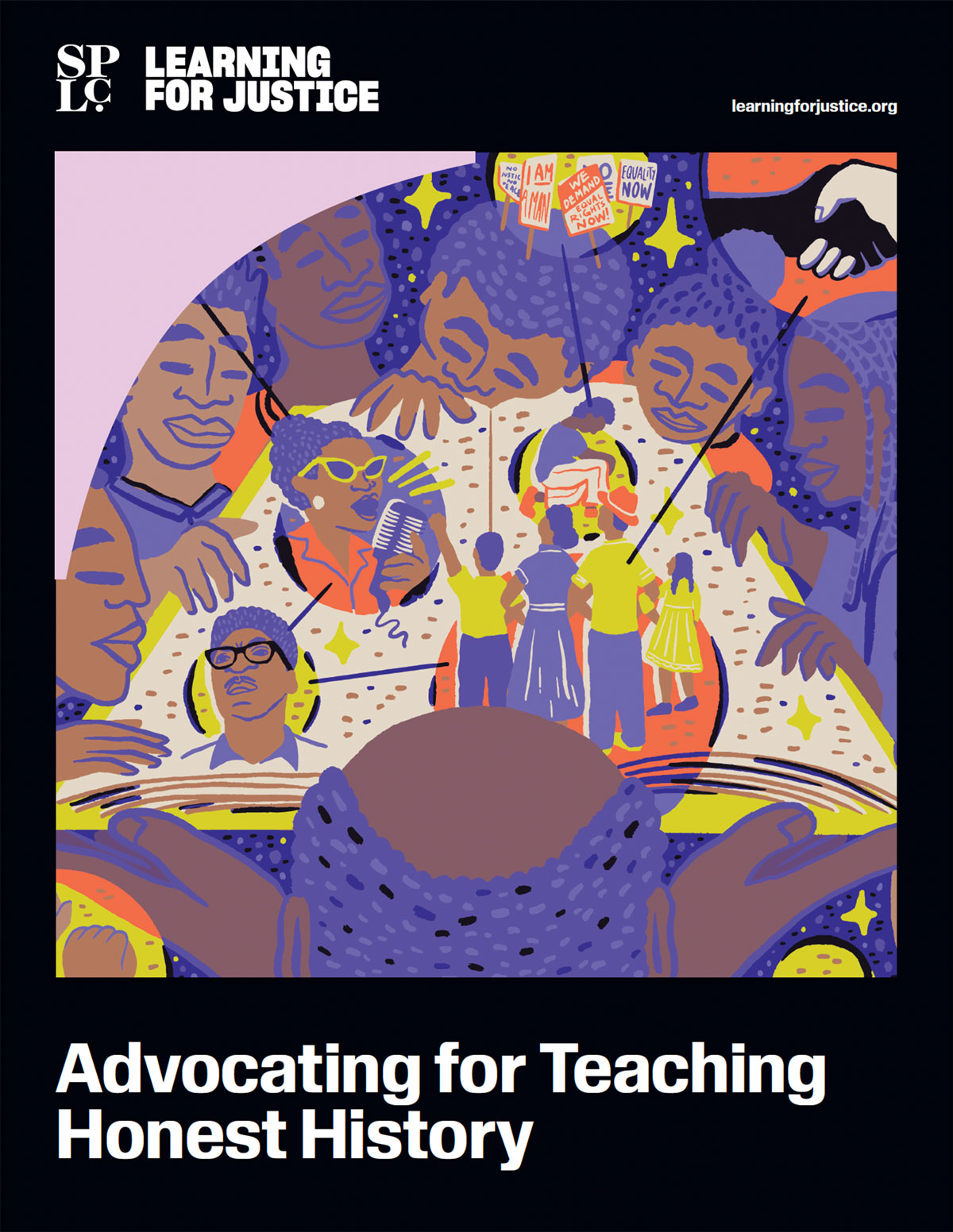
Advocating for Teaching Honest History: What Educators Can Do
[2023] This guide offers resources and tools for teaching honest history in the classroom and strategies for advocating for honest history education.
Support Democracy and Education Justice
To build a multiracial inclusive democracy requires educating for liberation and civic and political participation across the South and the nation.