Narratives are a deeply meaningful way that we learn about ourselves, each other and the world. And film can be a powerful medium for expression, connection and learning, helping to build empathy and understanding. This moment — in which democratic values are being weakened and history erased or altered — requires commitment from each of us to learn and teach honestly about our experiences and our nation’s past, including the “hard histories” of oppression and injustice.
Learning for Justice’s Film and Dialogue collection builds on the program’s history of educational films, with toolkits that offer learning opportunities for classroom and community education. Explore our current films and stay tuned for new resources.
Democracy and Education Justice Conversations
In 2025, Learning for Justice partnered with the Morehouse College Human Rights Film Festival to offer critical conversations and workshops on democracy and education.
Democracy and Education
In this fireside chat, recorded at the 2025 Morehouse College Human Rights Film Festival, professors Hasan Kwame Jeffries and David Wall Rice discuss democracy, education, human rights, political power, and the role of the arts in shaping public understanding.
Hard History and Interviews With Civil Rights Veterans
-
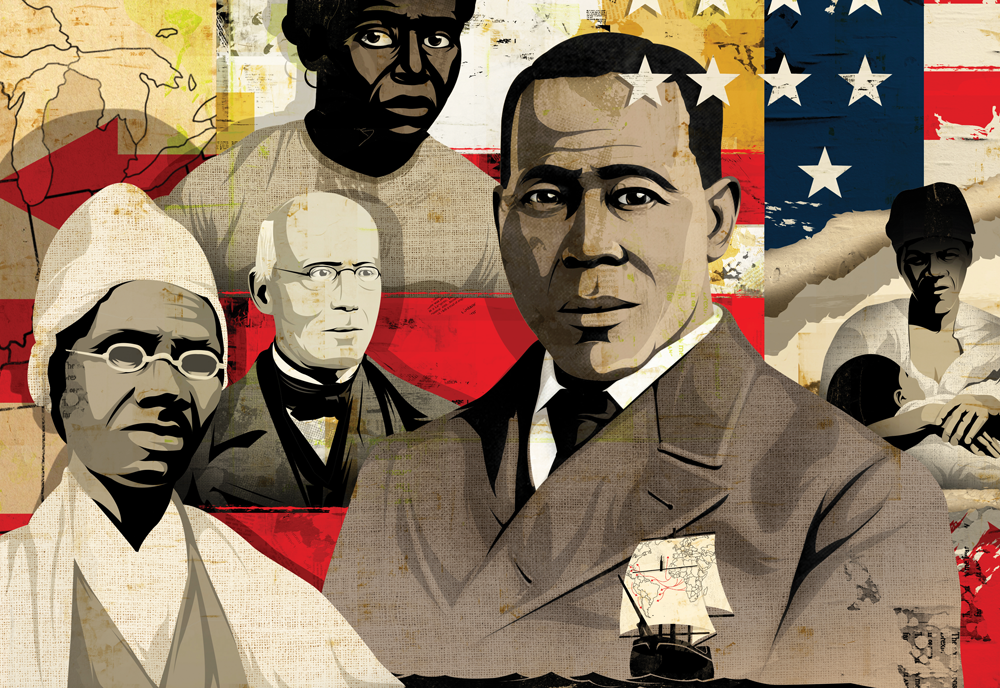
Teaching Hard History: American Slavery |Key Concepts Videos
In these short streaming films, historians and scholars explore the undertaught history of African and Indigenous enslavement, explain critical concepts, and share recovered narratives that can help us better understand the individual and collective impact—and the damaging legacy—of hundreds of years of American slavery.
-

New Film: The Forgotten Slavery of Our Ancestors
Special Episode Alice Qannik Glenn is the host of Coffee and Quaq and assistant producer of The Forgotten Slavery of our Ancestors. This short, classroom-ready film offers an introduction to the history of Indigenous enslavement on land that is currently the United States. This new resource from Learning for Justice features an extensive group of
-
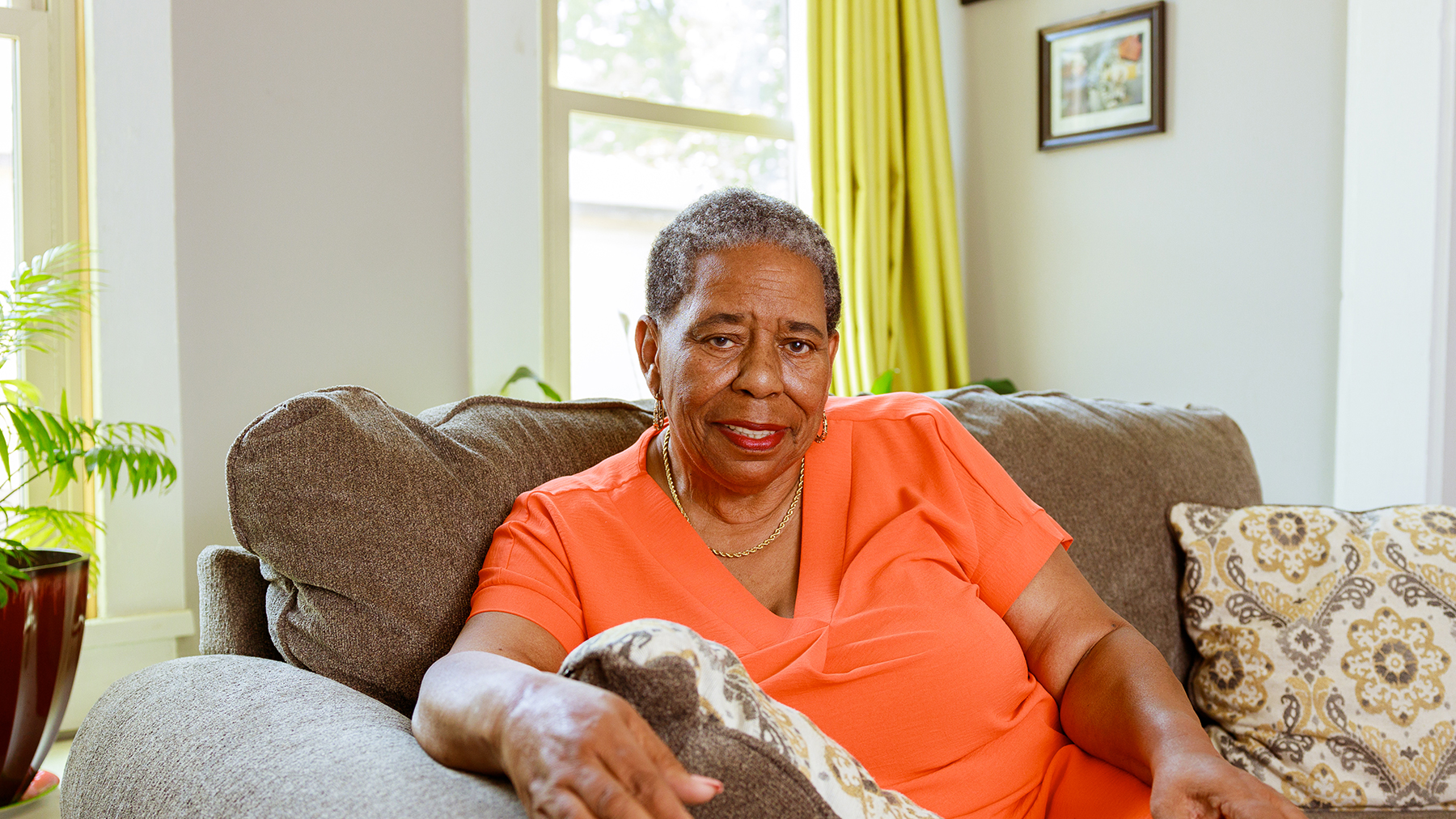
The Strength of Ordinary People: A Conversation With Jo Ann Bland
As a child, Jo Ann Bland participated in the Selma, Alabama, march that became known as Bloody Sunday. In this video and Q&A excerpt, Bland inspires us to civic action.
-
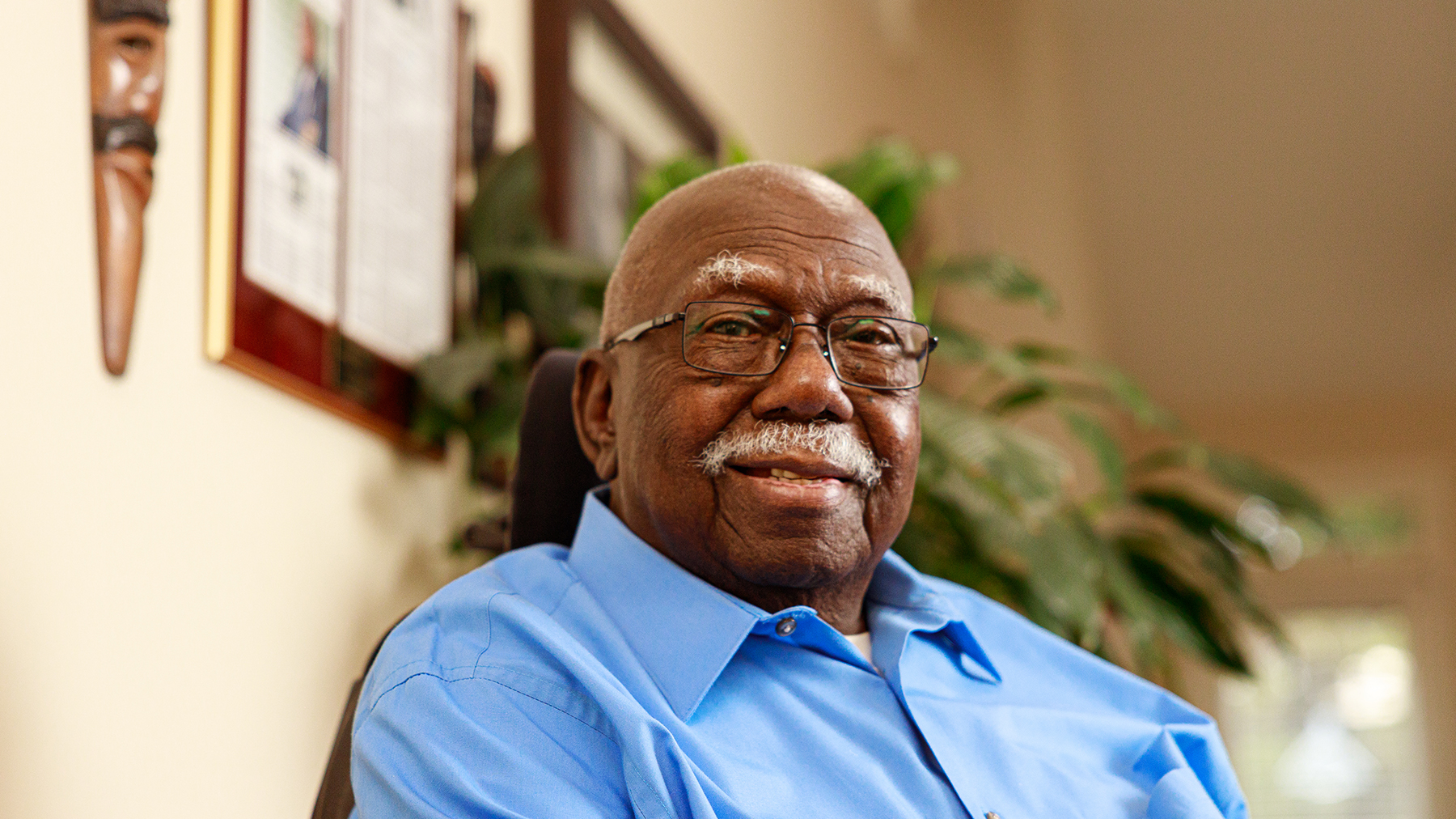
There’s Good People Out There: A Conversation With Charles Person
Charles Person, the youngest of the original Freedom Riders of 1961, reminds us that collective civic action is essential and so is being one of the good people out there.
-
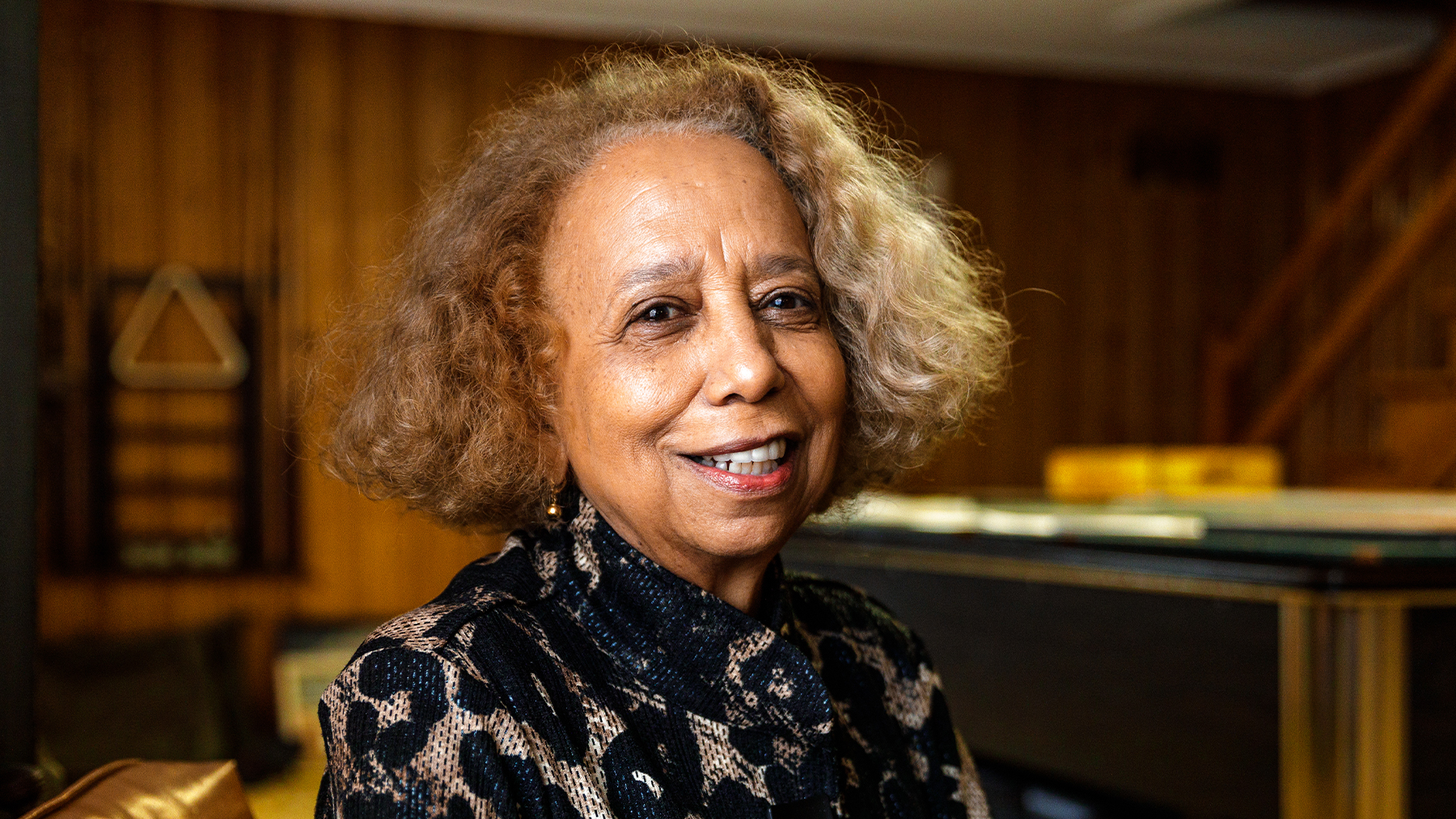
Listening and Learning: A Conversation With Valda Harris Montgomery
Valda Harris Montgomery, who witnessed pivotal moments of the Civil Rights Movement in Montgomery, Alabama, emphasizes the importance of learning the honest history of the movement.
-
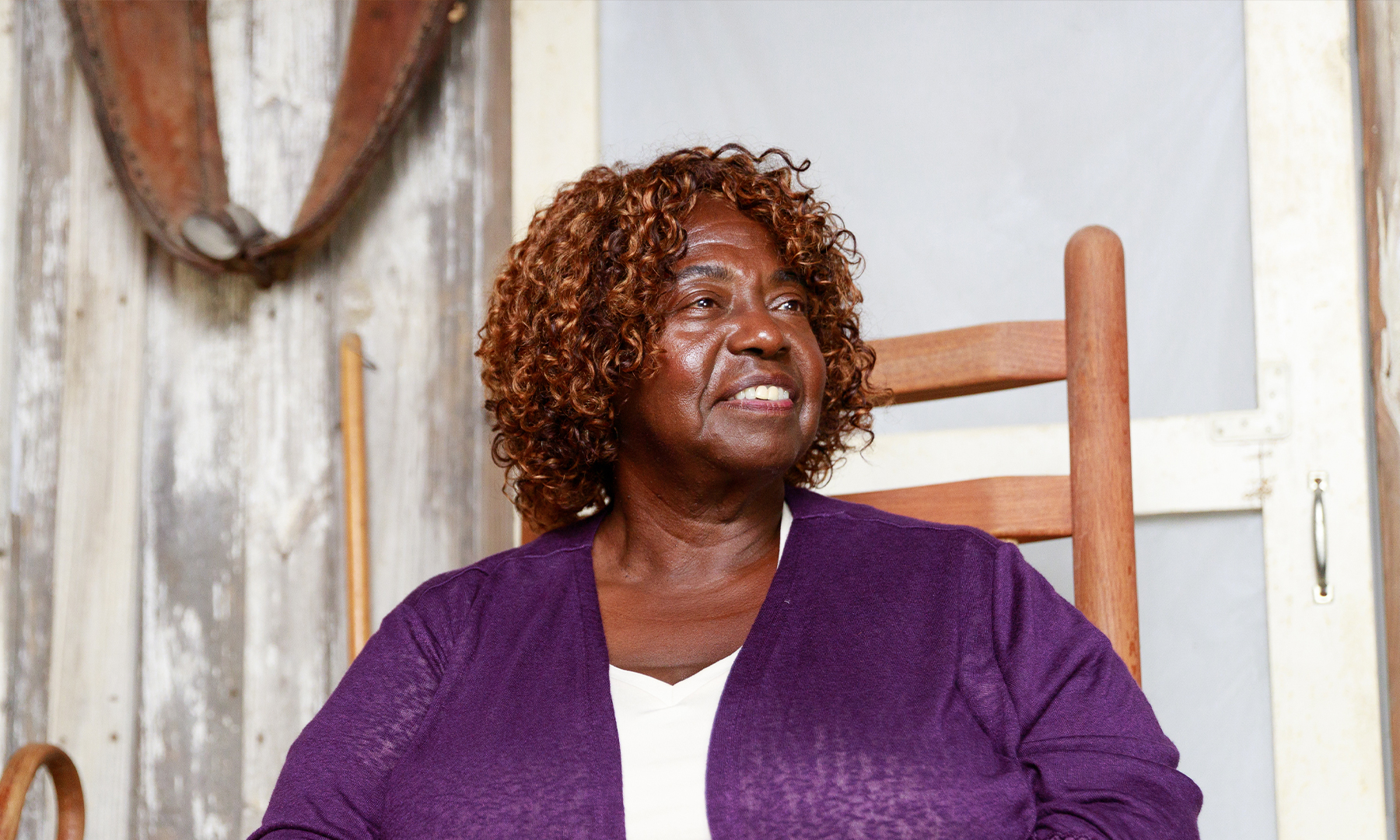
The Torch Is in Your Hands: A Conversation With Helen Sims
Helen Sims, aka the Old Storyteller of Belzoni, Mississippi, encourages us to accept the torch that is being passed to us.
Films for Educational Use Only
Please stay tuned for new resource pages that will allow you to view and teach with our films that require sign-in for educational use in classrooms and communities. These films include: Bibi, One Survivor Remembers, An Outrage, A Time for Justice, Selma: The Bridge to the Ballot and The Children’s March.
Support Democracy and Education Justice
To build a multiracial inclusive democracy requires educating for liberation and civic and political participation across the South and the nation.