
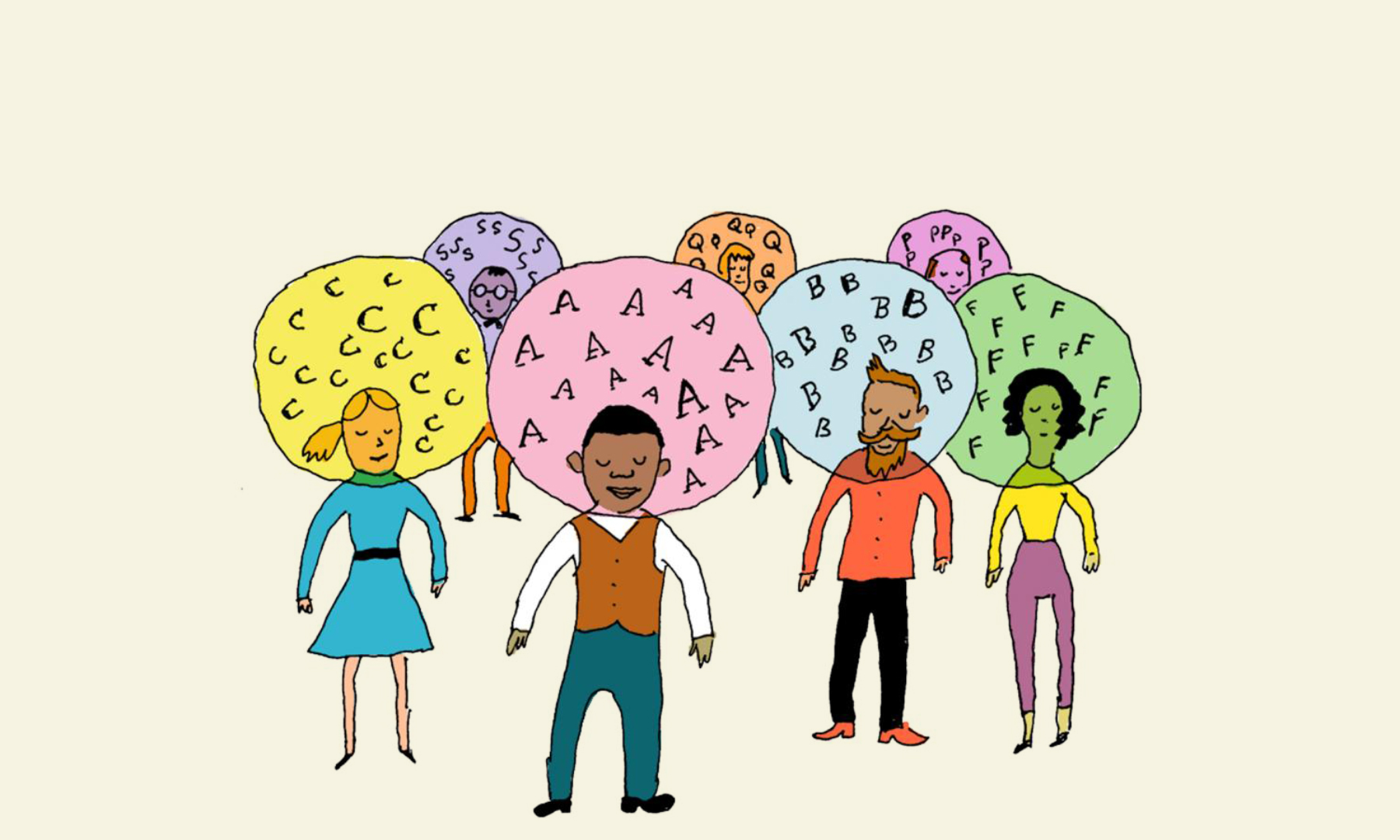
Digital and Civic Literacy Skills
The internet is an amazing tool for teaching and learning. But, before we can teach students to harness its power and become good citizens of the web, we need to understand the intricacies of how it works and how it can be manipulated to mislead and even harm users.
The Learning for Justice Digital Literacy Framework offers seven key areas in which students need support developing digital and civic literacy skills. The numbered items in each box below represent the overarching knowledge and skills that make up the framework. The bullets represent more granular examples of student behaviors to help educators evaluate mastery.
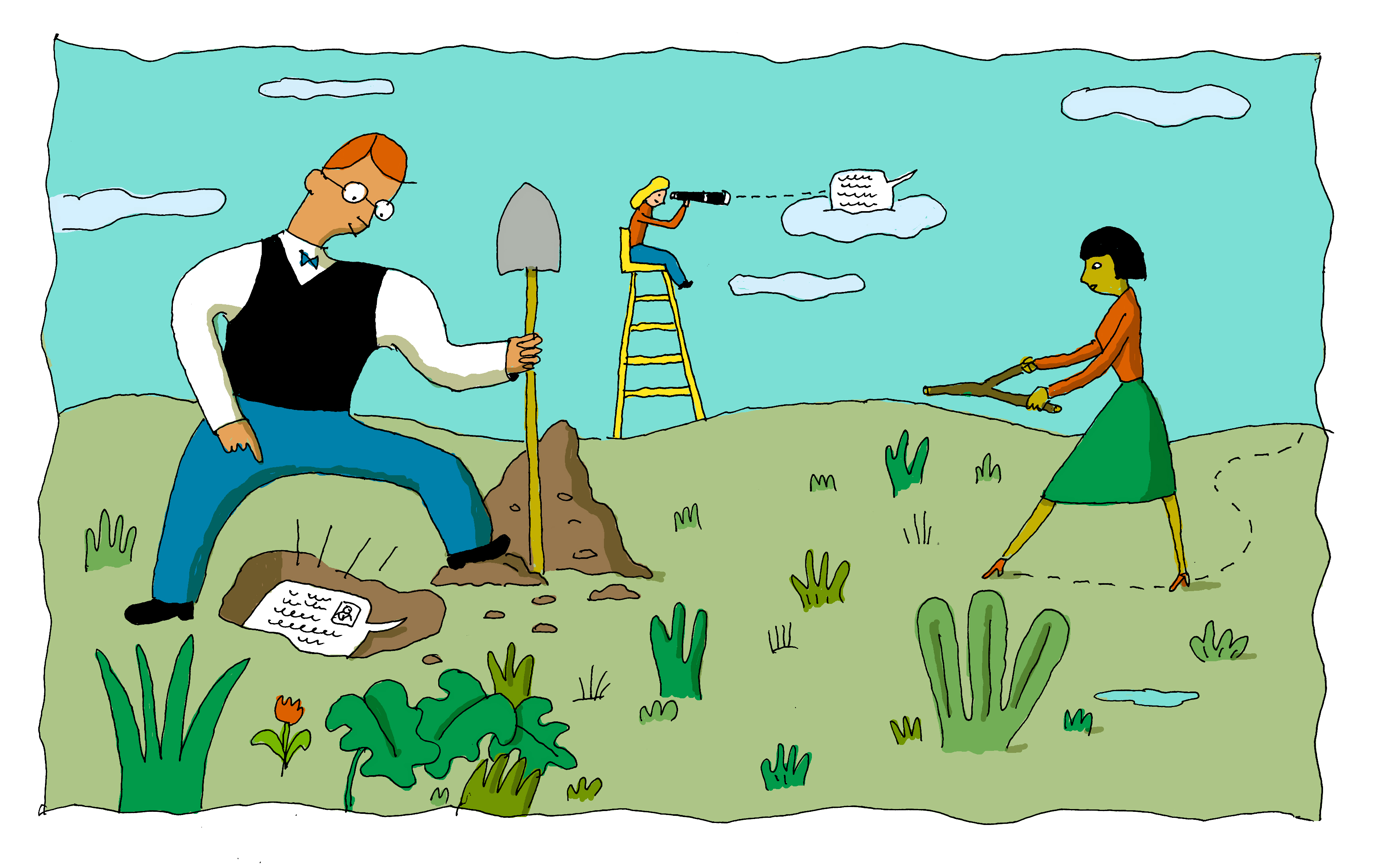
1. Students can locate and verify reliable sources of information.
Students Will…
- Evaluate sources for reliability.
- Use a variety of tools to evaluate sources for bias.
- Understand and identify common reasoning errors.
Lessons
2. Students understand how digital information comes to them.
Students Will…
- Evaluate search algorithms.
- Choose high-quality sources for information.
Lessons
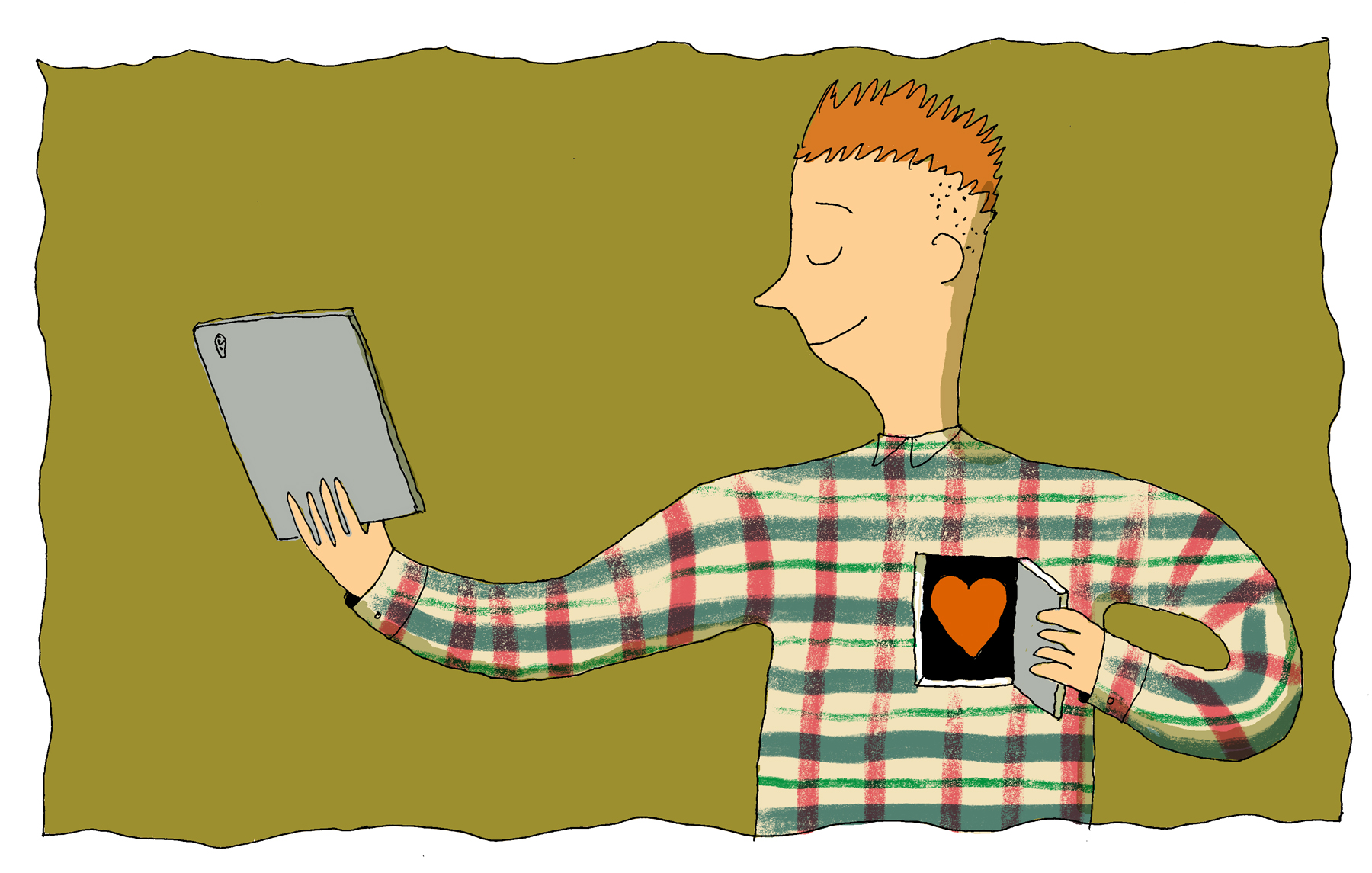
3. Students can constructively engage in digital communities.
Students Will…
- Display inclusivity and empathy during group communications.
- Evaluate group communications for bias and hate.
Lessons
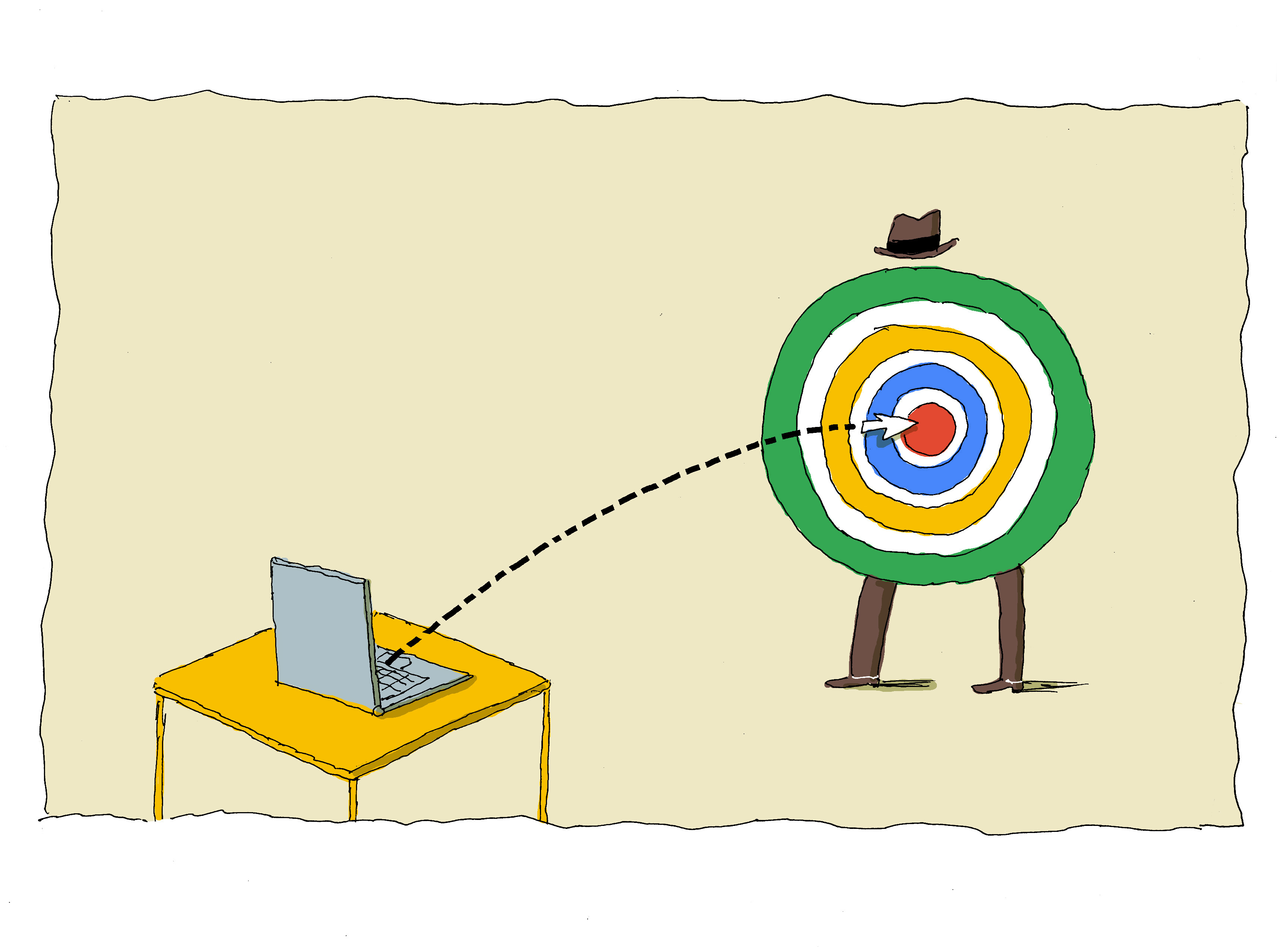
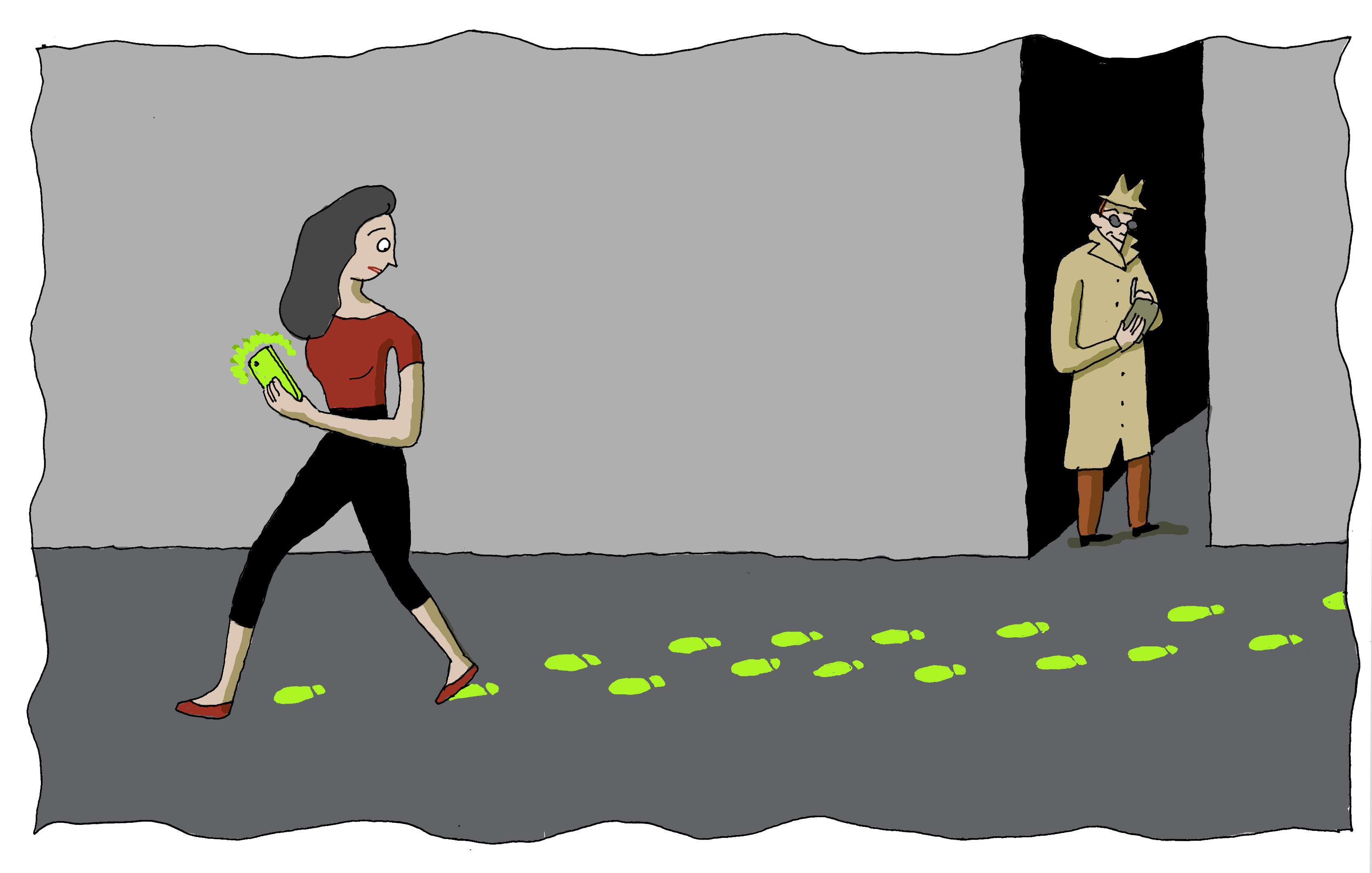
4. Students understand how online communication affects privacy and security.
Students Will…
- Map and monitor their digital footprint.
- Identify platforms and techniques for safe digital communication.
Lessons
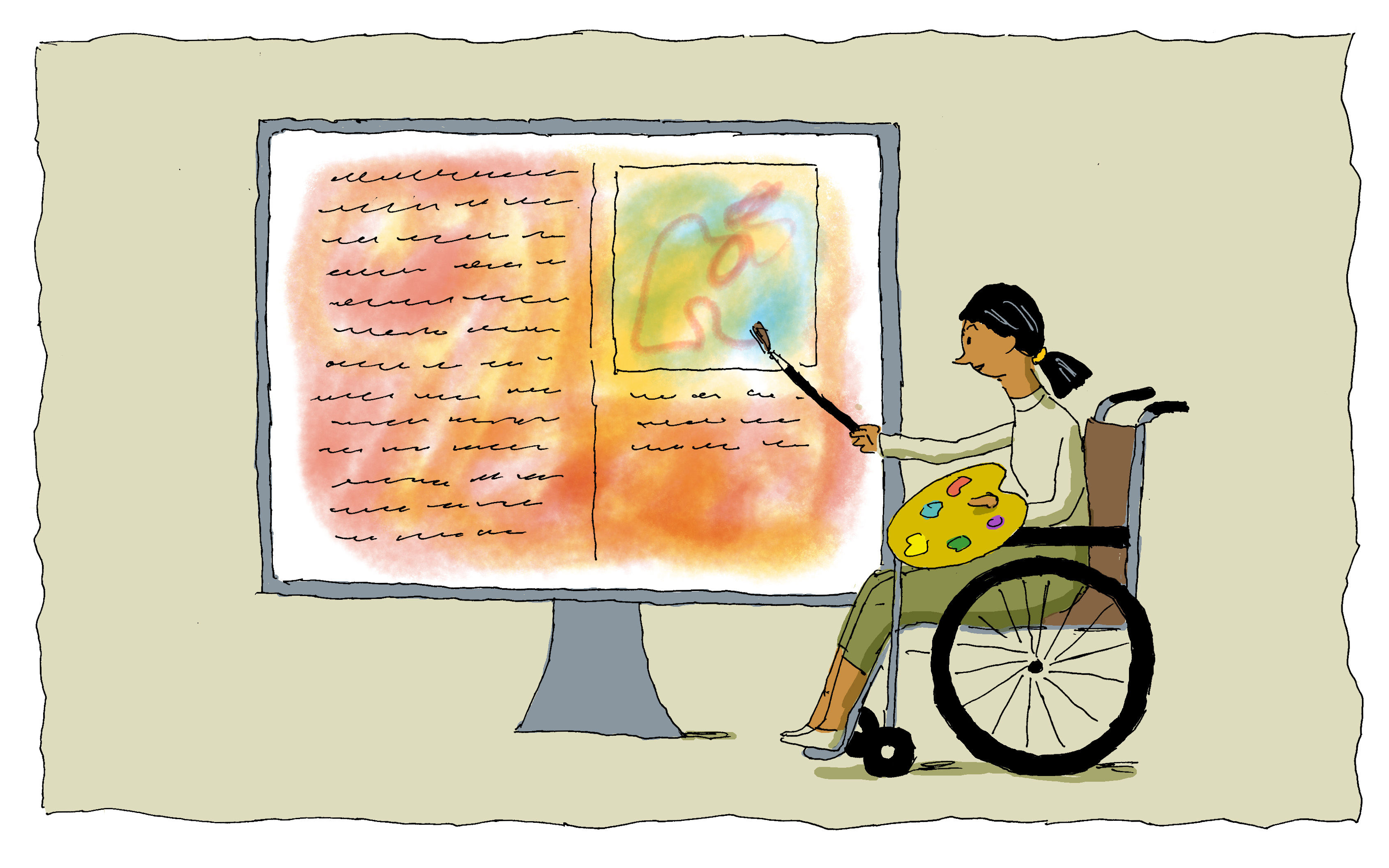
5. Students understand that they are producers of information.
Students Will…
- Make and share digital content.
- Remix and share digital content.
Lessons
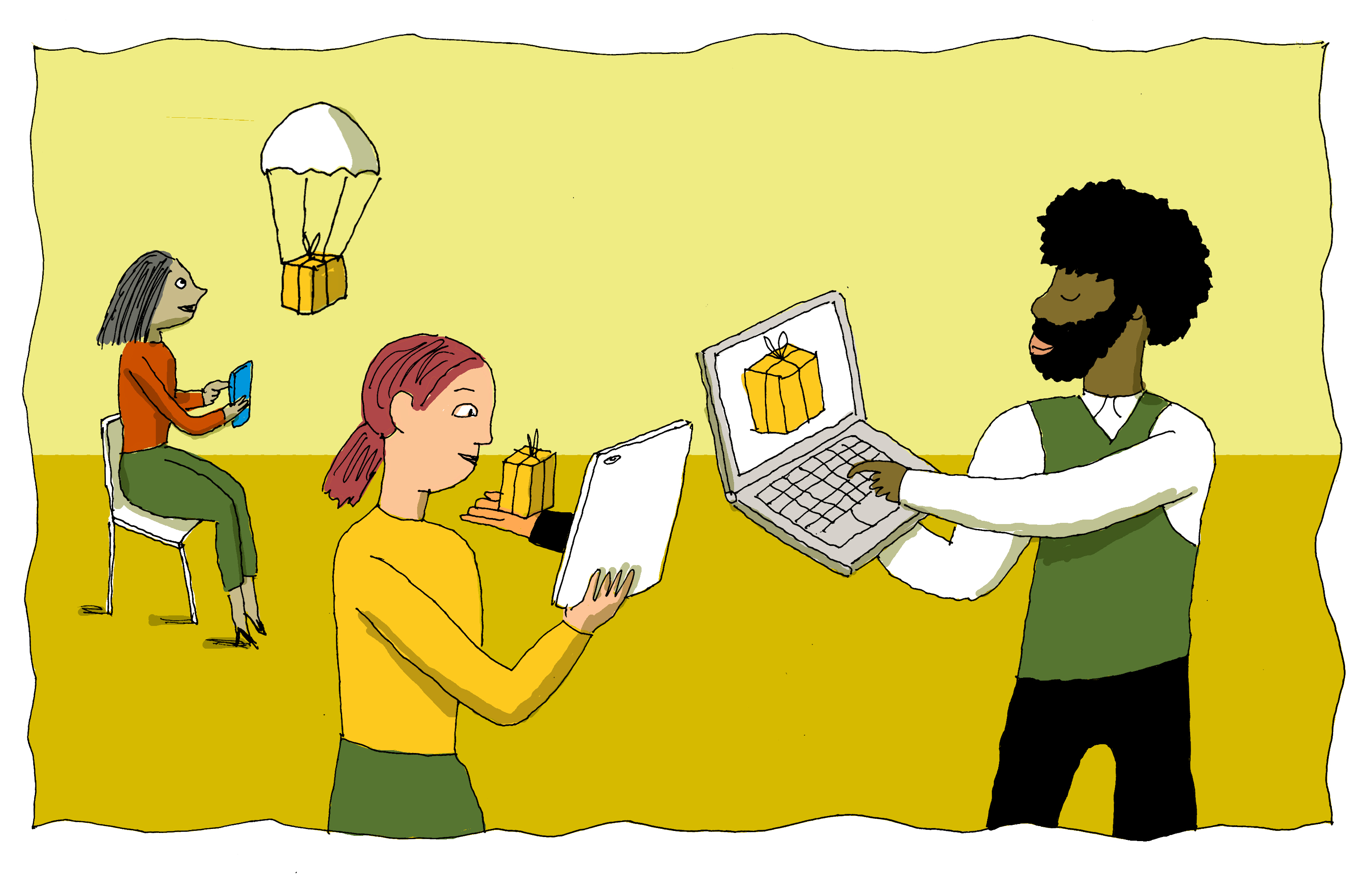
6. Students understand their role as customers in an online marketplace.
Students Will…
- Evaluate the role of online advertisements.
- Understand the larger economics of digital marketplaces.
Lessons
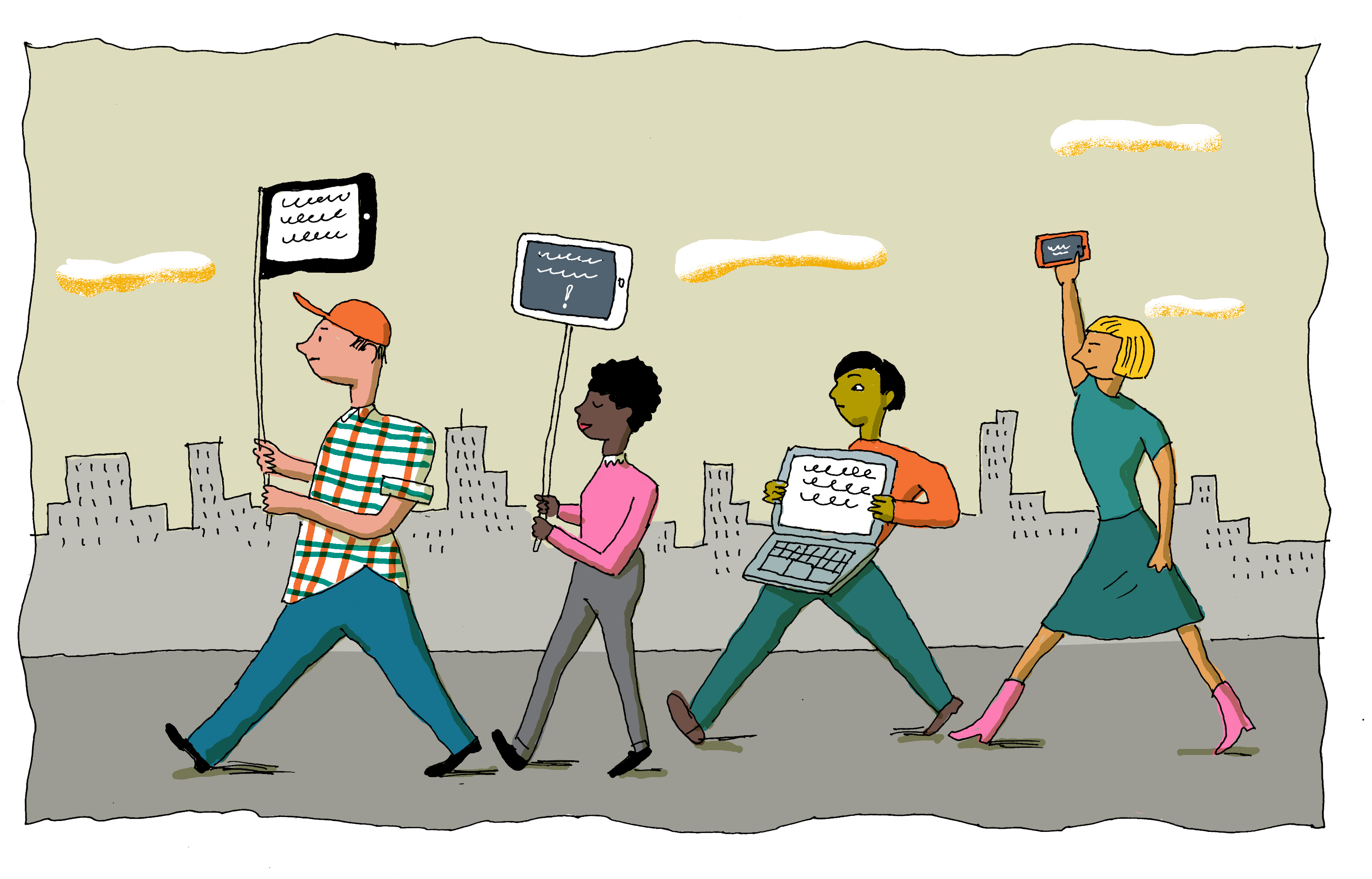
7. Students can evaluate the value of the internet as a mechanism of civic action.
Students Will…
- Understand the use of digital tools for active citizenship.
- Evaluate the strengths and weaknesses of digital remedies for injustice and calls to action.
Lessons
The Mind Online Podcast
Host and LFJ Managing Editor Monita Bell explores the critical aspects of digital literacy that shape how we create and consume content online. Discover what educators and students alike need to know—and how we can all become safer, better informed digital citizens.
Digital Literacy Lessons
These lessons can help even very young students build the skills and dispositions they need to become safe and savvy internet users.
Digital Literacy Videos
Our short student-friendly videos make learning about digital literacy fun! Share them with students, colleagues and (of course!) on social media.
Professional Development
This PD module offers a series of activities designed to help educators brush up their digital literacy knowledge.
Teaching Digital Literacy
Can your students tell the difference between real news and “fake” news? Do they have the tools to speak up when they witness offensive speech online? This interactive webinar offers the background and resources necessary to help students develop these critical skills.
Illustrations by Marc Rosenthal