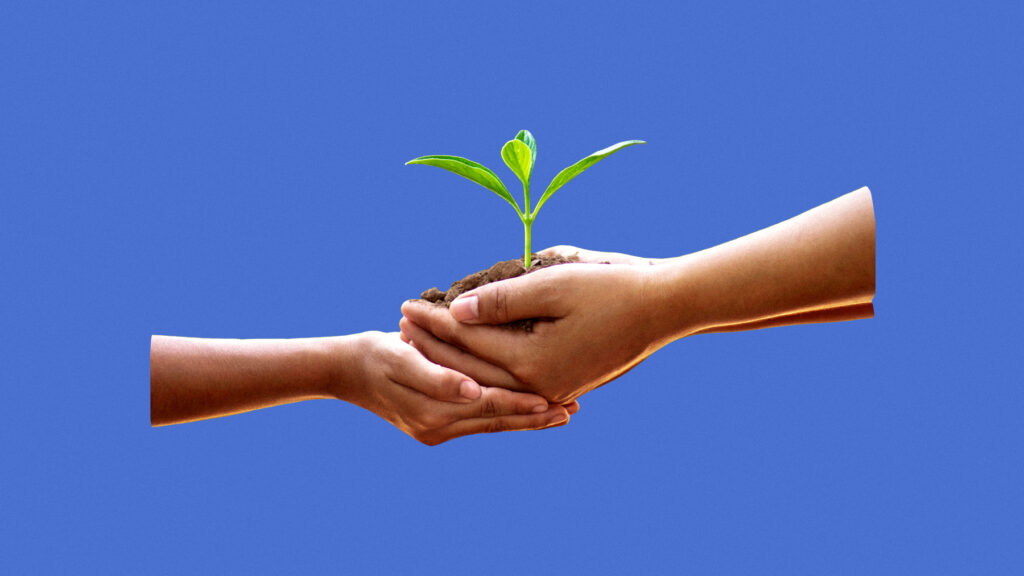
The Civil Rights Movement is a story of people who believed they could bring about change. Learning from the movement gives us models and strategies for action in our communities and our nation to create a more just society. Realizing one’s own capacity for action is an essential disposition for responsible citizenship. As we grow in understanding this history and its ongoing relevance to our lives, we can examine today’s justice issues and find ways to answer the questions: “How can I make a difference?” “How can we make a difference together?”
The Torch Is Passed to You
To make the vision of a just and peaceful world a reality, we must have the tools to build a strong, multiracial, inclusive democracy – and those tools include an honest history of the United States.
From the first acts of Black resistance to enslavement in the United States to the current movement for justice and civil rights, the long tradition of the Black freedom struggle spans the history of our nation. The Civil Rights Movement of the 1950s and 1960s was a particular era within a longer time frame of the Black movement for equality and civil rights.
Learning from our history is not simply about knowing dates, famous people and events. When we engage in deeper learning, we think about, analyze and make connections. We recognize that we are not only learning about the past, but rather how society today is shaped by that past.
Political, social and economic equality have yet to be achieved. Increasing pushback against a more inclusive society challenges us all to become more conscious about the knowledge and skills to participate in democracy.
Remember, our rights and freedoms were achieved through the struggles, risks and sacrifices of ordinary people in the South and from across the nation who participated in the Civil Rights Movement. They were the backbone of the movement. And that torch has been passed to us.
Learning, Reflection and Action
Our goal is not simply to learn about the Civil Rights Movement but to learn from the movement. The learning journeys and resources in this series examine key concepts and events of the Civil Rights Movement to contextualize the history and grow our understanding of the dynamic of people, power and change.
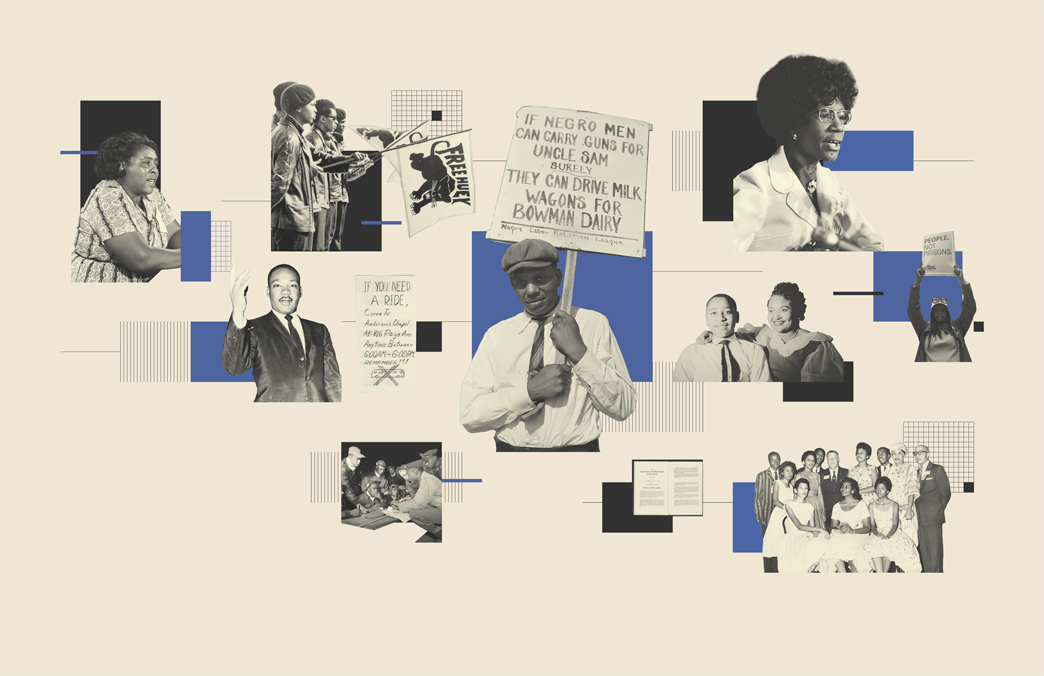
The Civil Rights Movement: 10 Key Concepts
These 10 key concepts and main points encourage us to think critically about the complexities of history as we learn about and from the Civil Rights Movement of the 1950s and ’60s.
Strategies of the Civil Rights Movement
This learning module examines the questions: How did people organize, and what strategies did they use in the Civil Rights Movement?
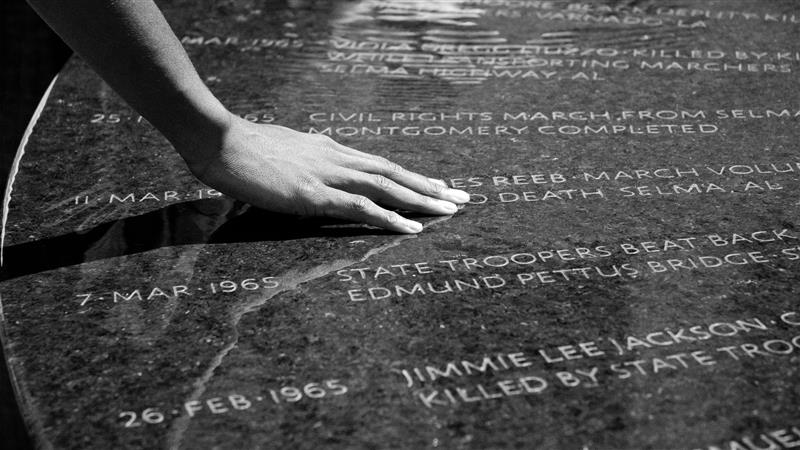
Hostile Opposition to the Civil Rights Movement
Understand how hostile opposition efforts tried to slow or prevent the movement for equality and justice, and apply lessons to today’s justice issues.
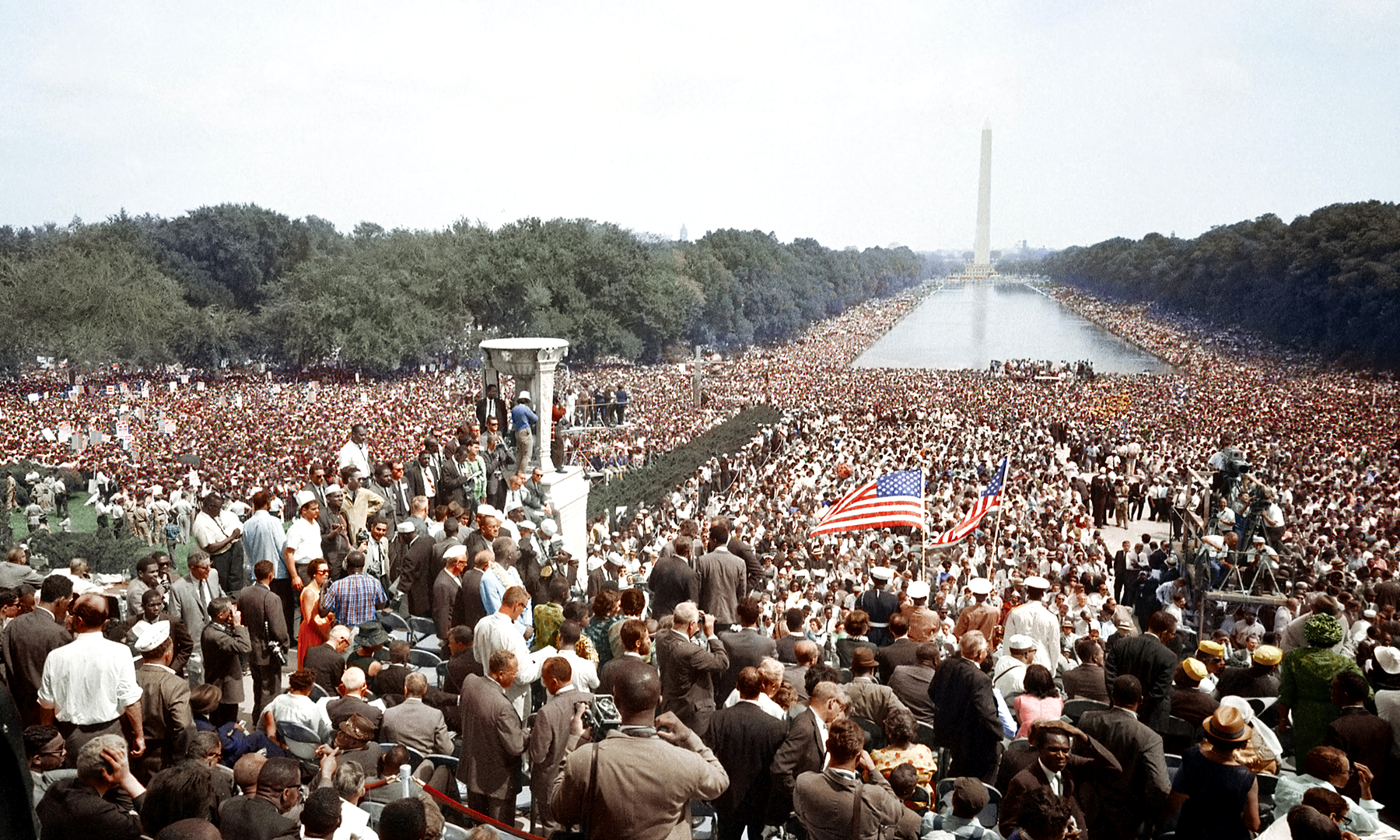
The 1963 March on Washington for Jobs and Freedom
Contextualizing the 1963 March on Washington and the complex history of the struggle associated with it is important as we make connections to the ongoing movement for equality and justice.
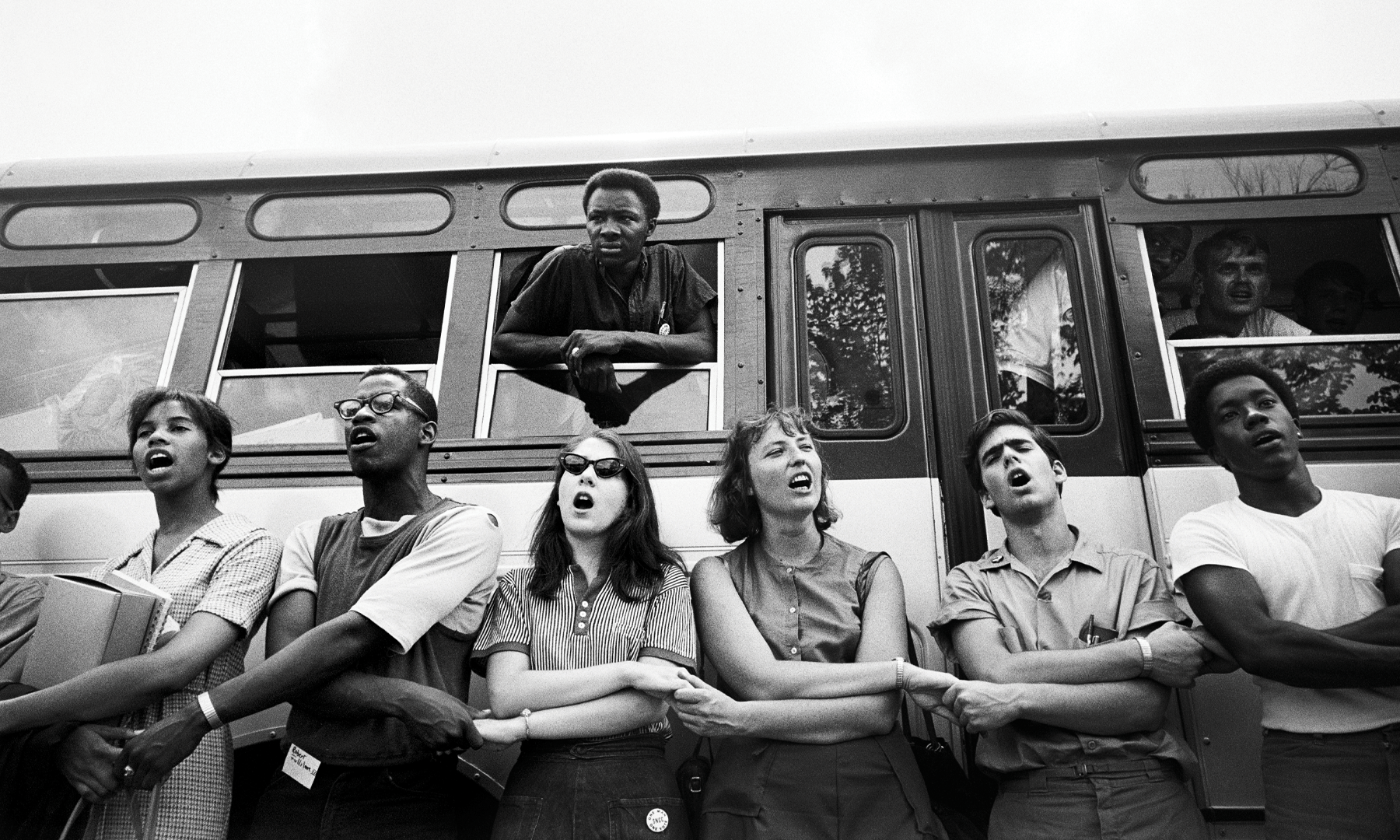
Freedom Summer and Today’s Election Process
This overview of Freedom Summer 1964 connects to actions for strengthening democracy today.
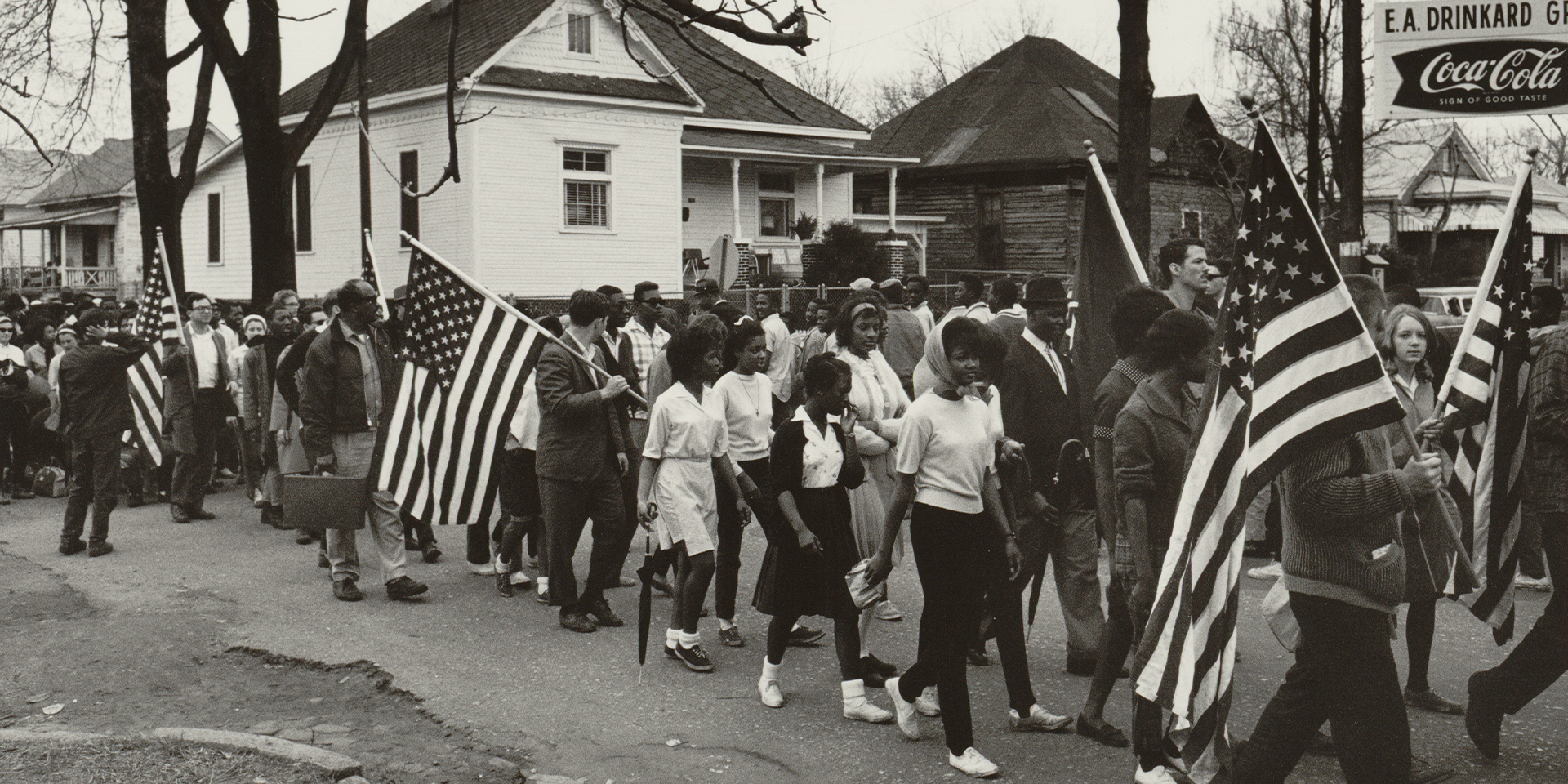
Selma: From the Bridge to the Ballot
Learn how the 1965 Selma to Montgomery march marked a pivotal moment in the Civil Rights Movement and demonstrated the courage of ordinary people.
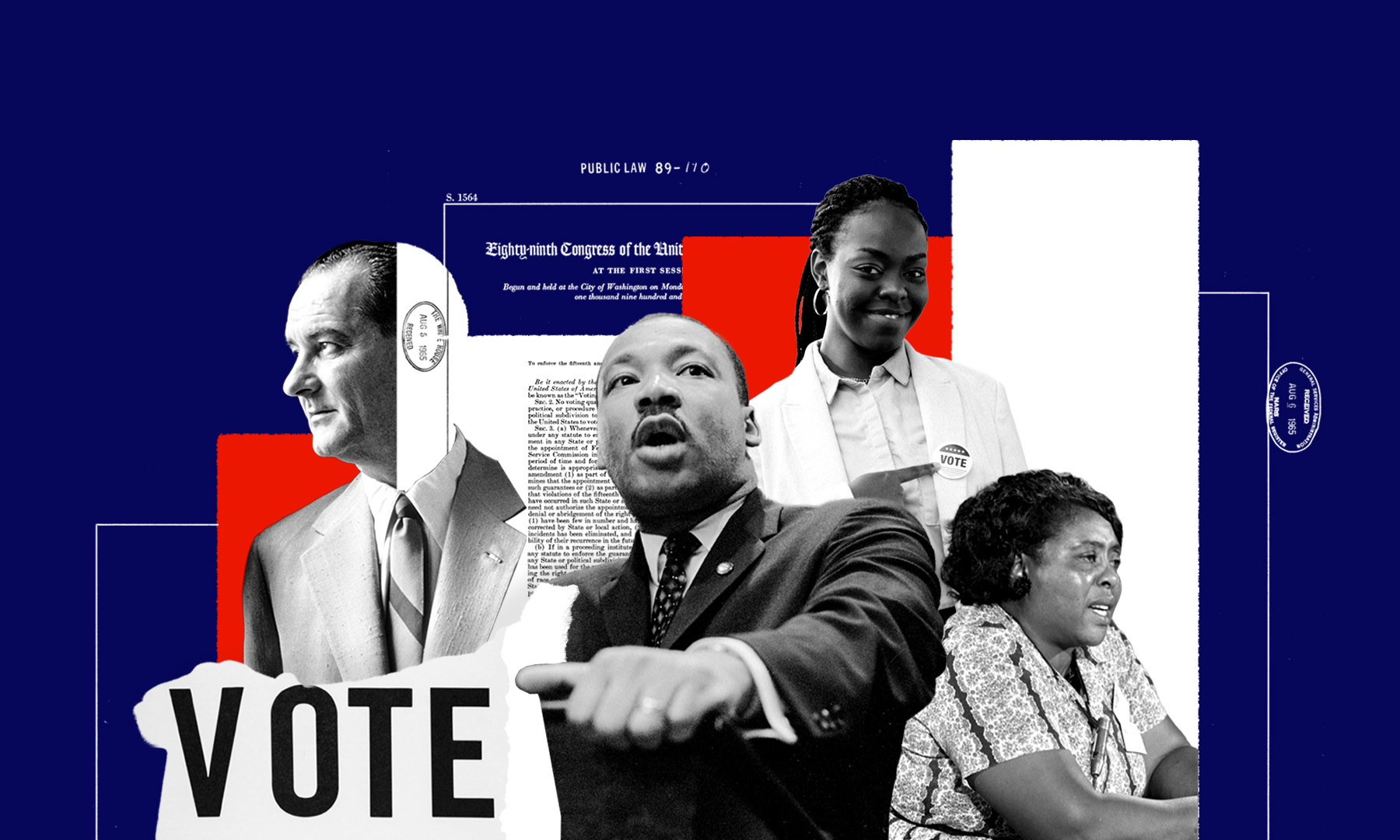
Why the 1965 Voting Rights Act Is Crucial for Democracy
The 1965 Voting Rights Act — a landmark federal law that removed barriers and affirmed the right to vote for millions of African Americans — remains essential for ensuring equal access to the ballot.
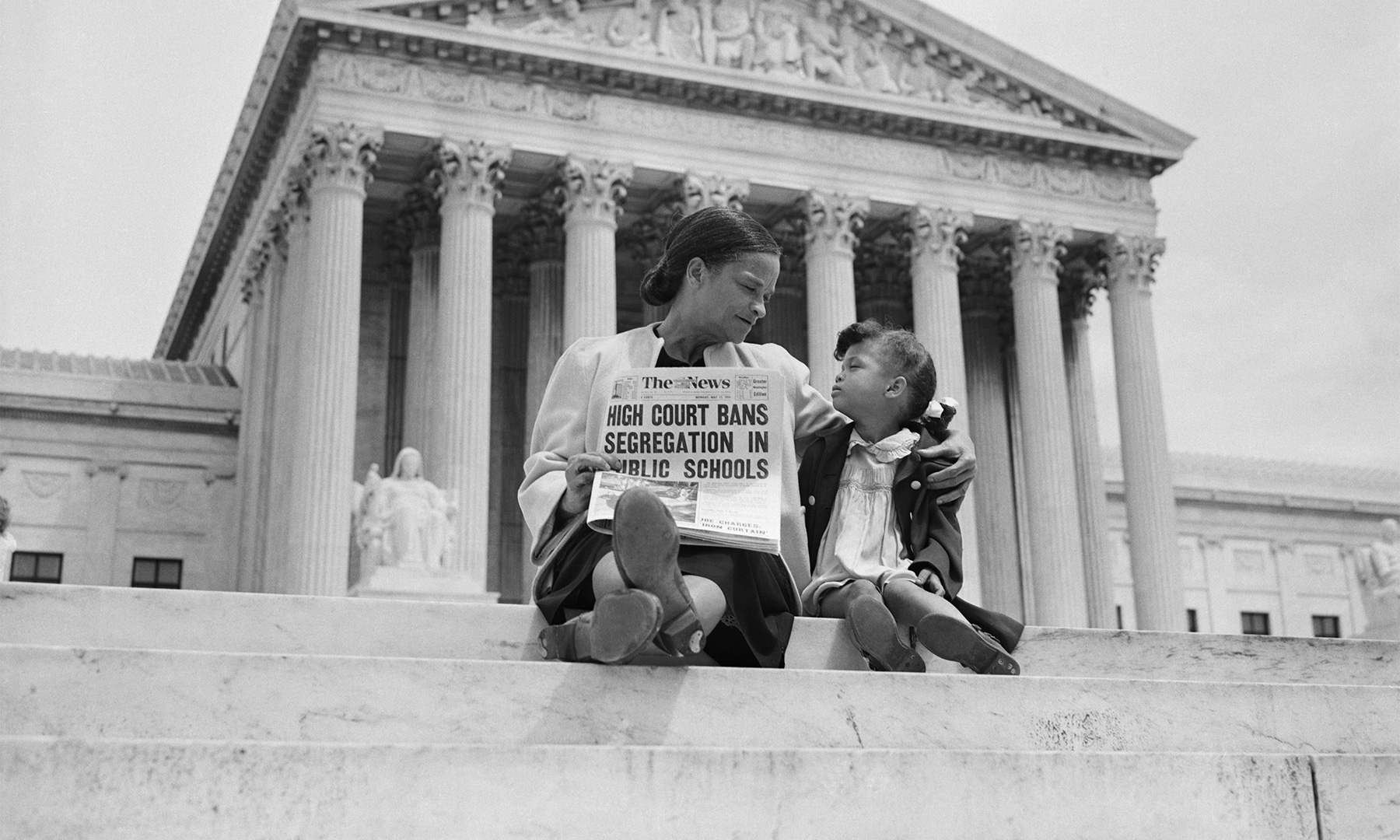
Connecting the ‘Brown’ Decision to Today’s Social Justice Movement
Teach the Supreme Court’s decision in ‘Brown v. Board of Education of Topeka’ in all its complexity and relevance to the ongoing movement for inclusive education.
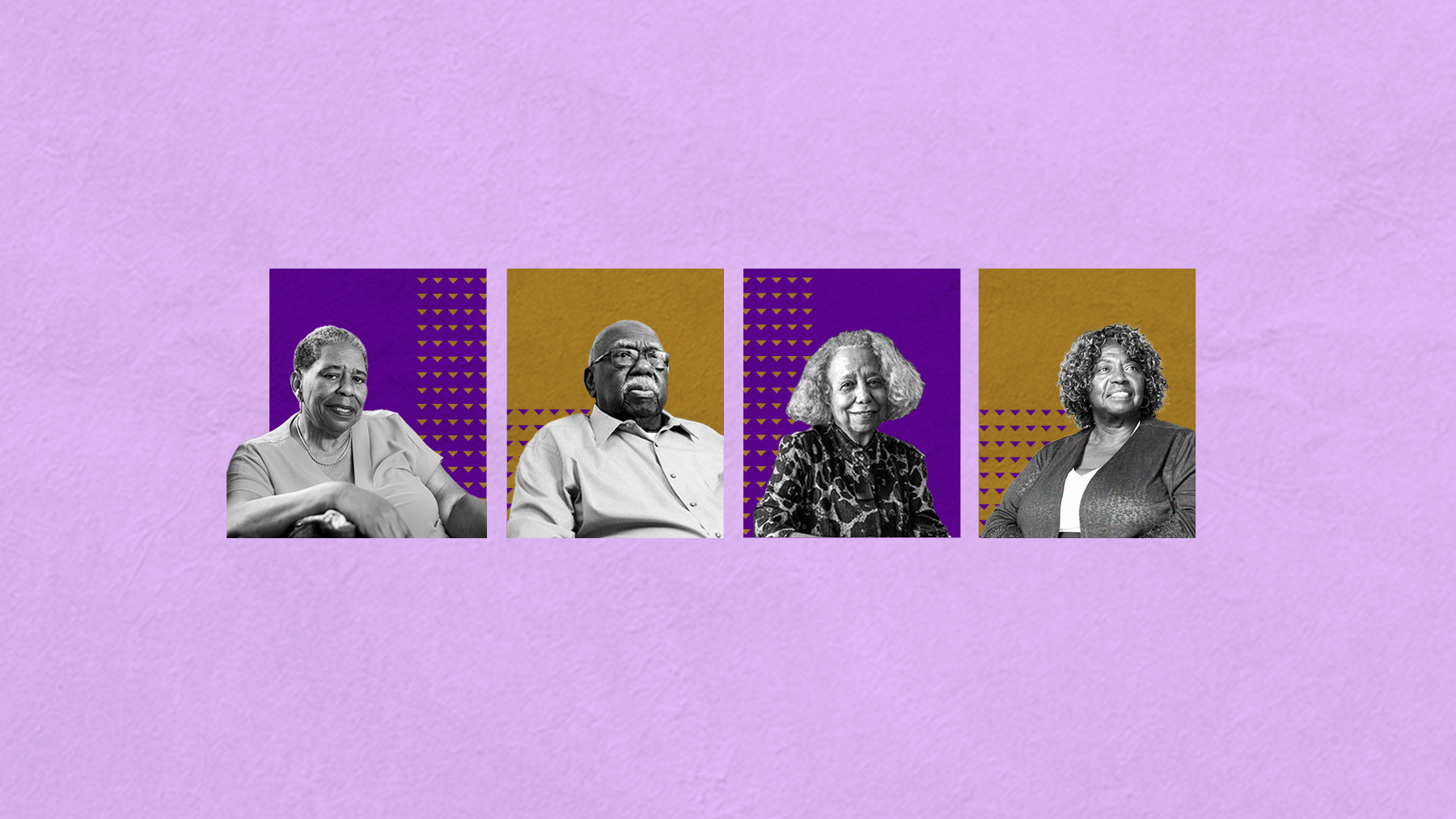
History and the Power of Place
Video and Q&A conversations with Civil Rights Movement activists and witnesses to history: Jo Ann Bland of Selma, Alabama; Charles Person of Atlanta, Georgia; Valda Harris Montgomery of Montgomery, Alabama; and Helen Sims of Belzoni, Mississippi.
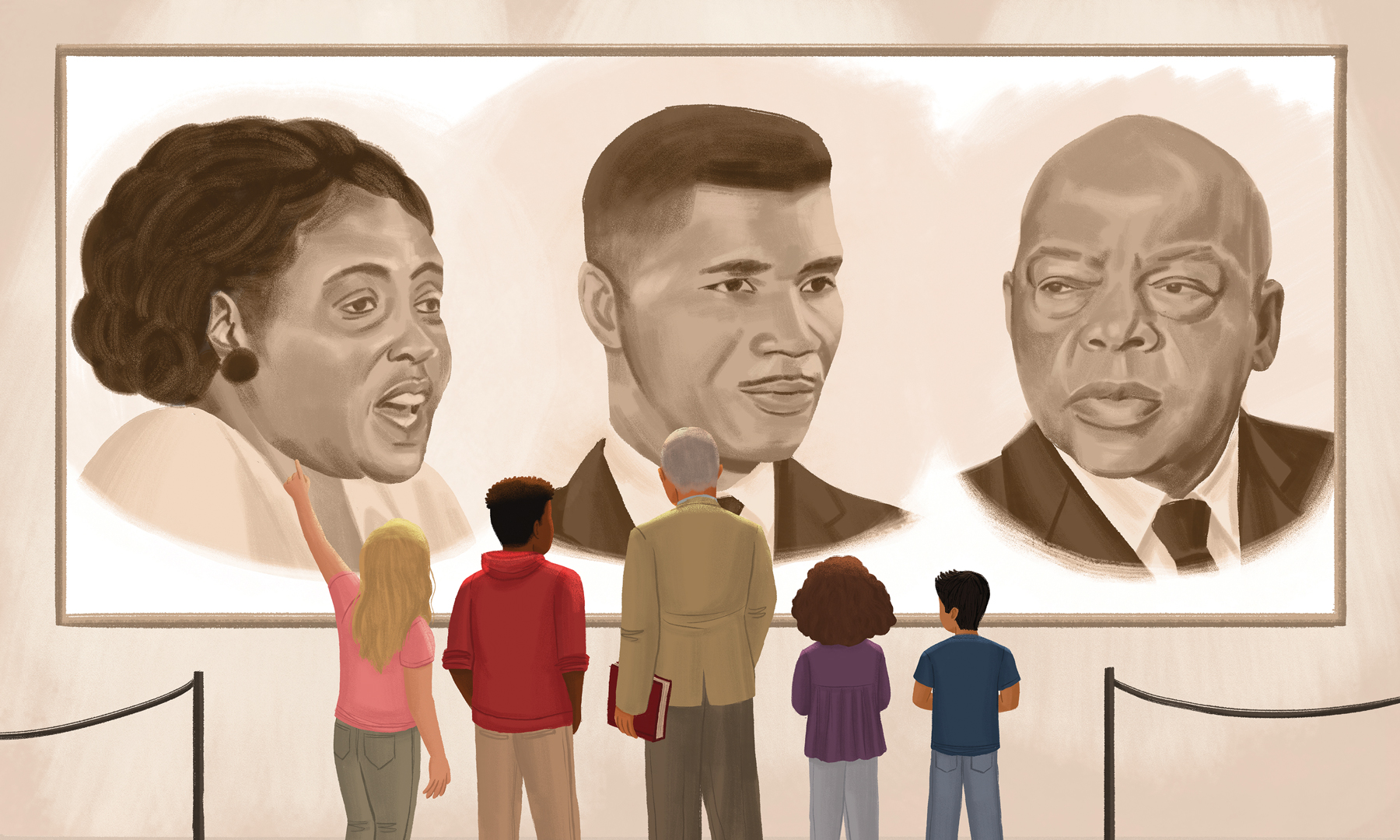
History Moves With Us
A movement veteran reflects on teaching civil rights history.
Reflections on a Dream Deferred
We have come a great distance in this nation since the assassination of Dr. Martin Luther King, Jr. The African-American middle class has grown. African Americans, women, and other minorities are in positions of leadership today that they could never have aspired to 40 years ago.
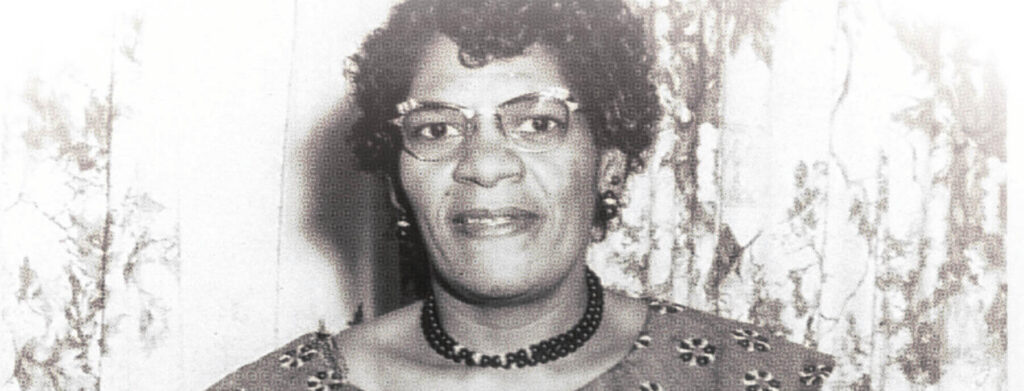
‘Browder v. Gayle’
The case, Browder v. Gayle, is one of the most significant milestones in American civil rights history, but it has largely been left out of civil rights instruction.
Resources
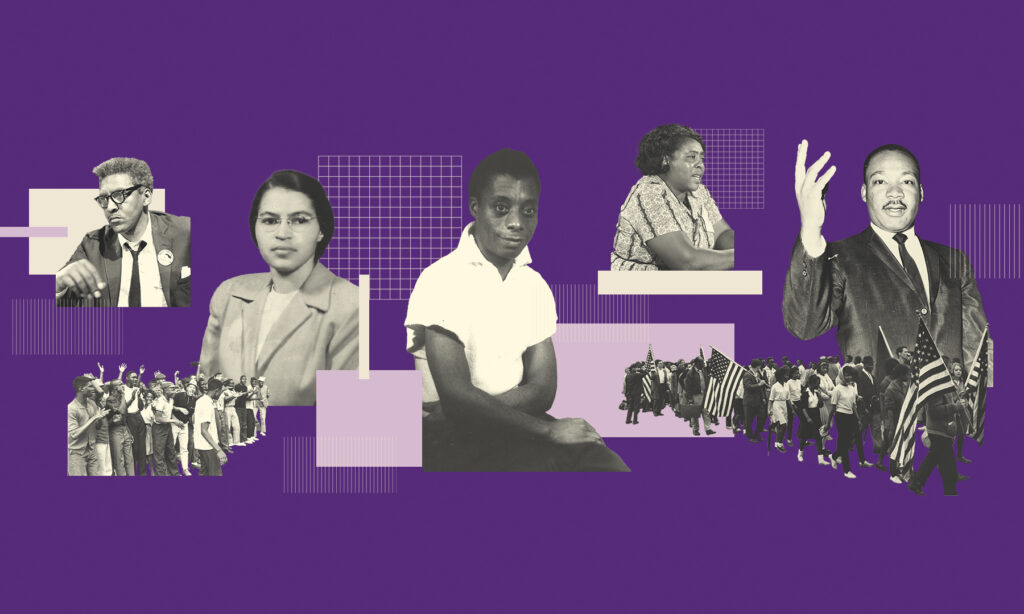
Teaching the Civil Rights Movement
A curriculum framework for teaching Black Americans’ struggle for freedom and equality from Reconstruction through the Civil Rights Movement of the 1950s and ’60s to the present.
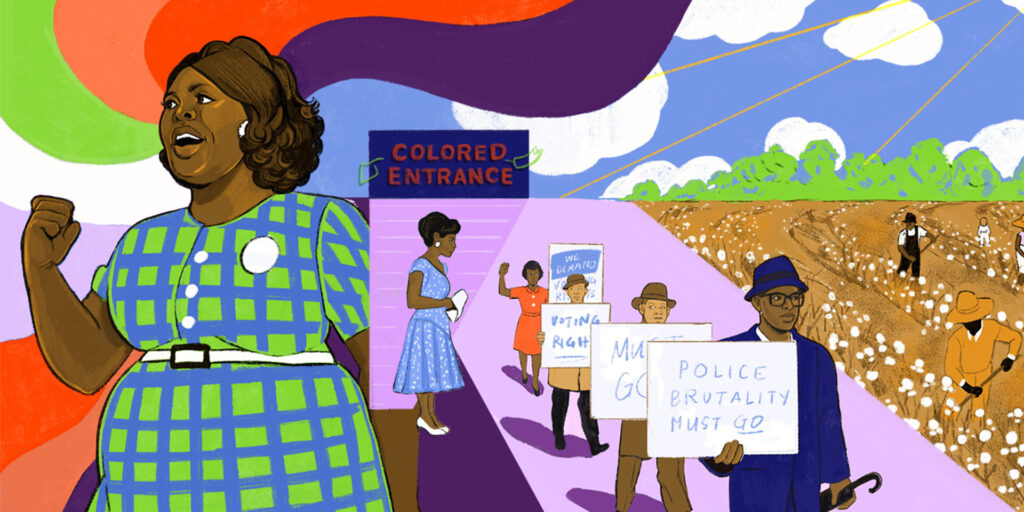
Teaching Hard History Podcast, Season 3: The Civil Rights Movement
Season 3 focuses on the Black freedom struggle — or the U.S. Civil Rights Movement.
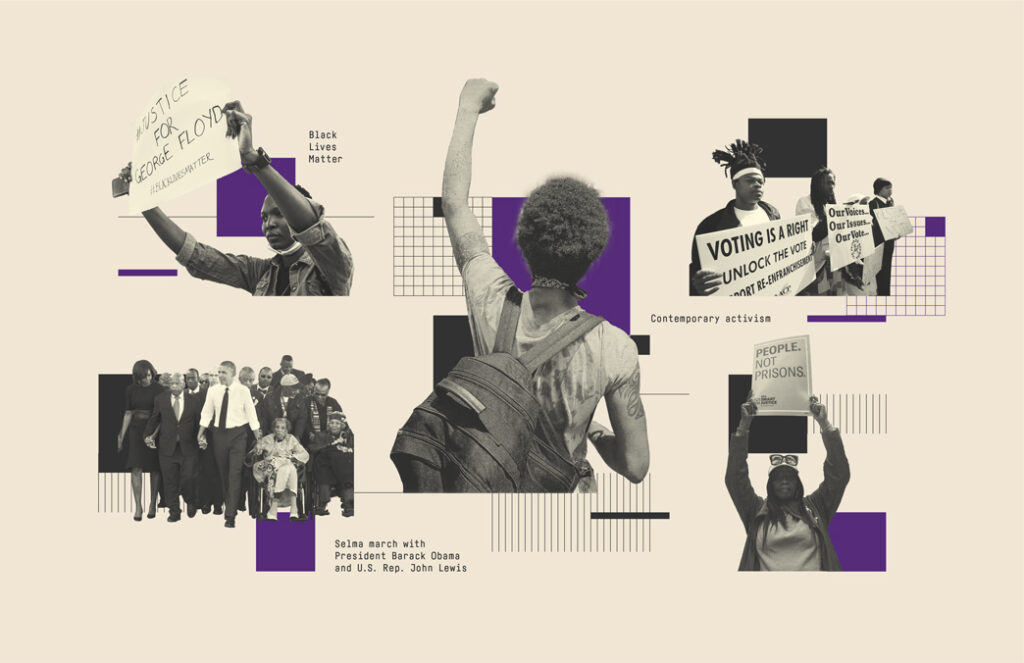
Guiding Principles
These strategies provide guidance for practices that can be integrated into planning and instruction.
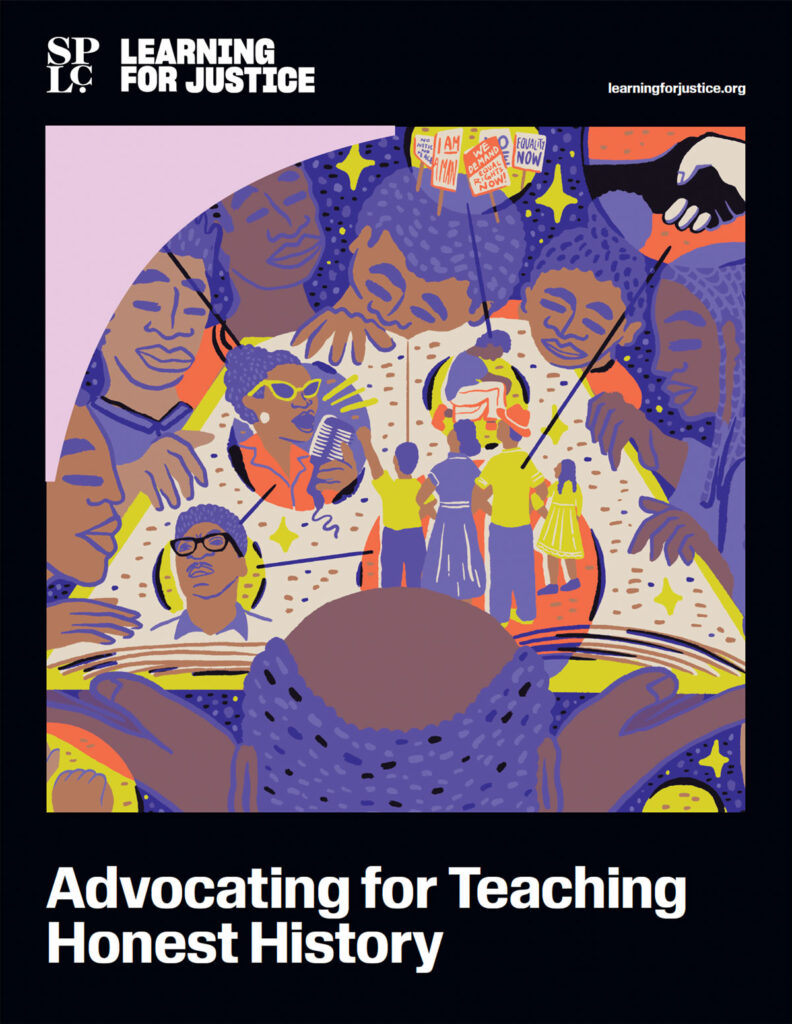
Advocating for Teaching Honest History: What Educators Can Do
[2023] This guide offers resources and tools for teaching honest history in the classroom and strategies for advocating for honest history education.
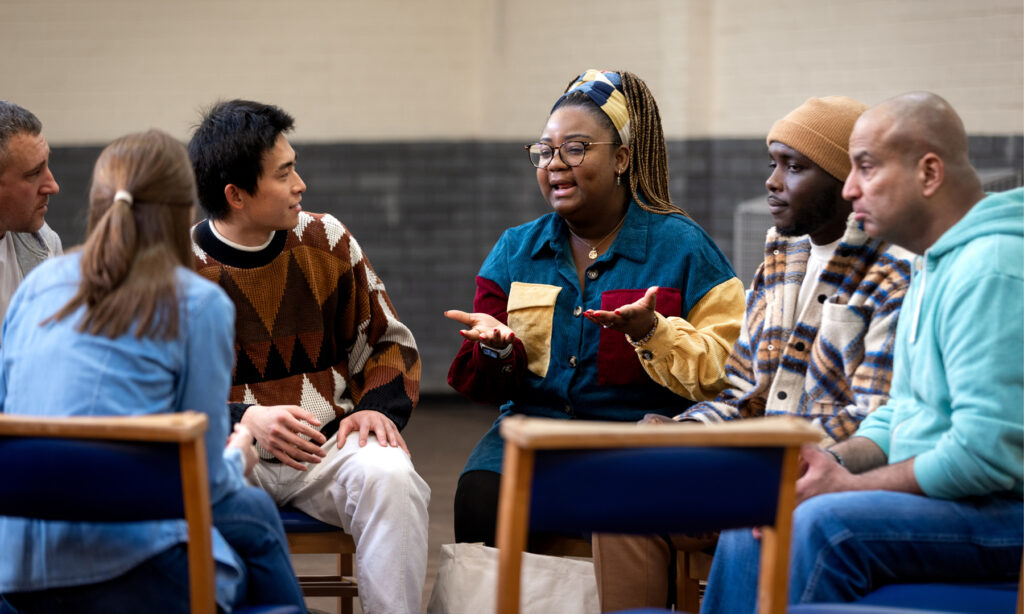
Advocating for Honest History Education: A Resource for Parents and Caregivers
What is honest history, why is it essential for our democracy, and how can parents, caregivers and community members advocate for honest history education?
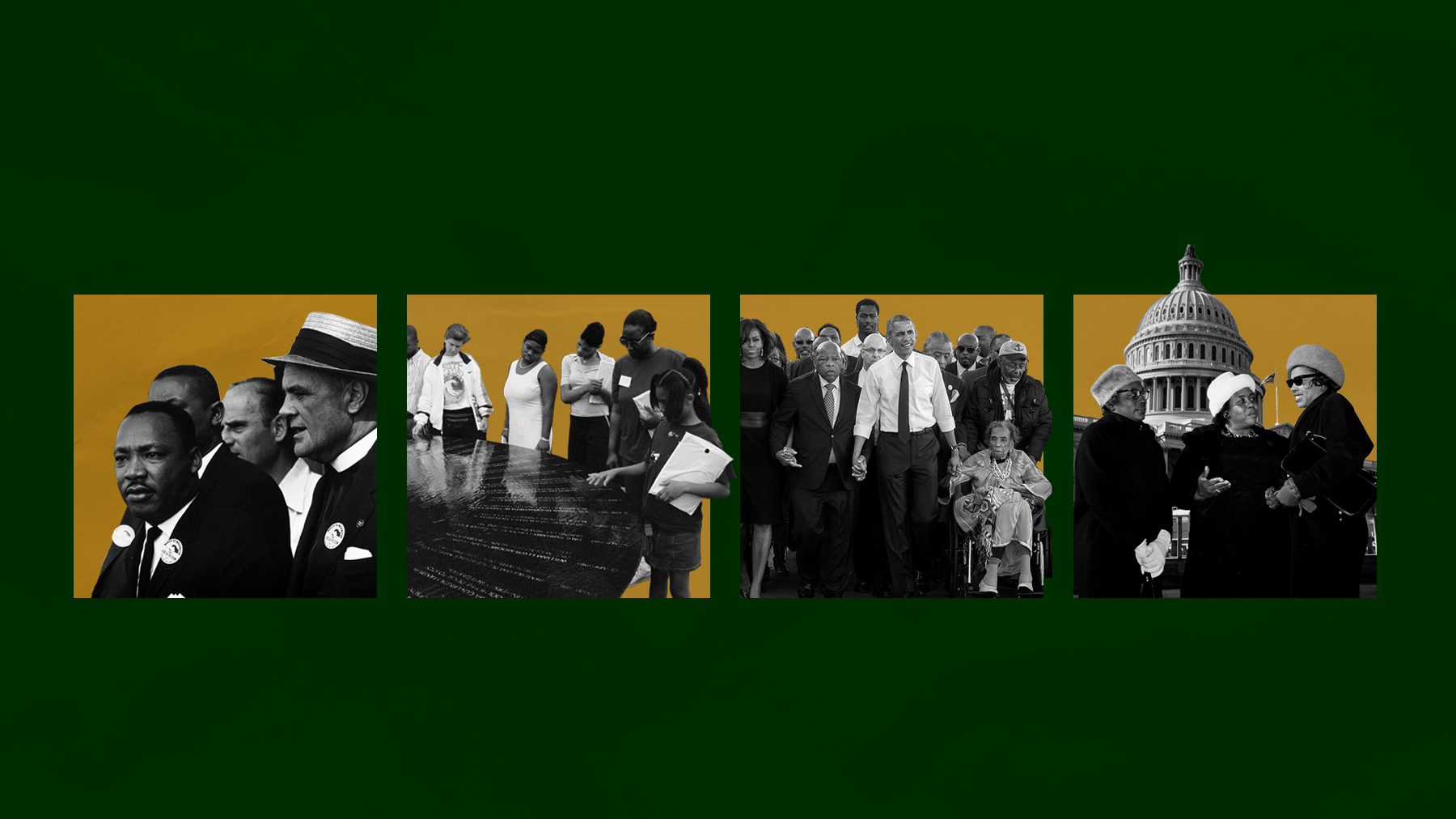
[Main illustration images: 1) Martin Luther King, Jr. at the 1963 March on Washington; 2) visitors to the Civil Rights Memorial in Montgomery, Alabama; 3) President Barack Obama, Rep. John Lewis, Michelle Obama and marchers in 2015 mark the 50th anniversary of the Selma March; 4) Annie Devine, Fannie Lou Hamer and Victoria Gray.]
Support Democracy and Education Justice
To build a multiracial inclusive democracy requires educating for liberation and civic and political participation across the South and the nation.