
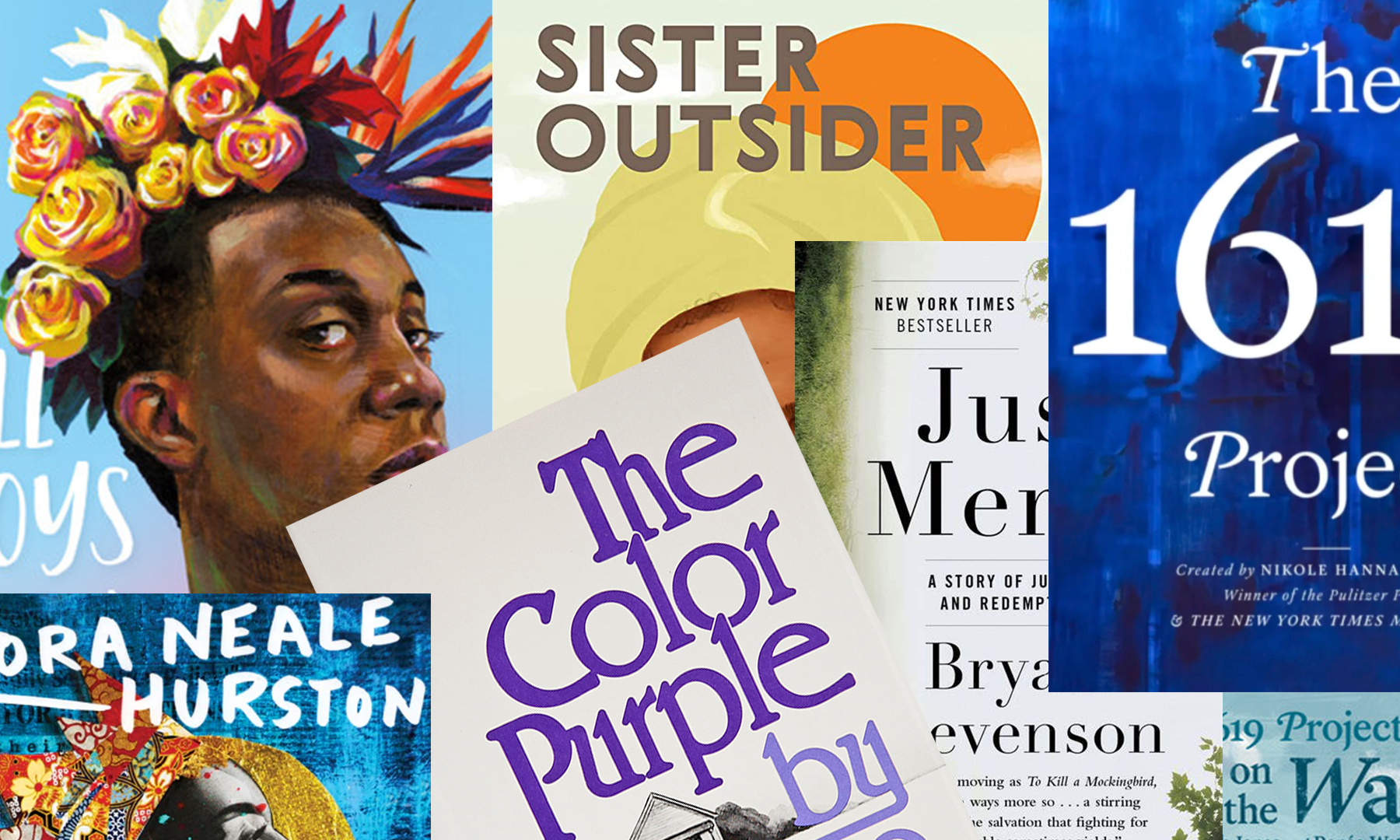
Banned Books Week 2025
Censorship and threats to civil liberties are intensifying in the United States. To strengthen our democracy, we must resist campaigns that aim to ban books, exclude participation and censor social justice in education. It’s crucial now more than ever to advocate for learning — in communities and schools — that is inclusive and that promotes critical thinking.
Stories are a deeply meaningful way that we learn about the world, and they can build empathy and understanding of ourselves and others.
The American Library Association (ALA) reports that in 2024, more than 2,452 unique titles were targeted with demands for censorship. According to the ALA, “Pressure groups and government entities that include elected officials, board members, and administrators initiated 72% of demands to censor books in school and public libraries.”
ALA also cites factors contributing to a decrease in documented censorship, including underreporting by library workers who fear for their jobs, censorship by exclusion “when library workers are prohibited from purchasing books,” and legislative restrictions such as “state laws restricting the type of materials available in libraries and schools based on the ideas or topics addressed in the materials.”
For the 2024–25 school year, PEN America, which tracks school book bans, recorded “6,870 instances of book bans across 23 states and 87 public school districts.” PEN America emphasizes that reporting on “book bans remains a bellwether of a larger campaign to restrict and control education and public narratives, wreaking havoc on our public schools and democracy.”
The current attacks on education and books — especially those that center the experiences and perspectives of LGBTQ+ people and Black, Indigenous and other people of color — have led to fear in libraries and schools, further resulting in books being censored even when not challenged.
To resist book bans and hate in education spaces, we offer the following resources — including book reviews, stories, articles, guides, curricula and more — to help you learn, teach and advocate for education justice and a more inclusive, multiracial democracy.
[Updated Oct. 2025]
Learning for Justice Resources
Growing Together: Book Reviews for Children
This page offers some of our favorite book recommendations for children (elementary to middle grades) that affirm identities, celebrate diversity and highlight justice.
Reading for Justice: Book Reviews for Teens and Young Adults
We offer some of our favorite book recommendations for teens and young adults to encourage learning and reflection in building a future that values and celebrates diversity and equity and works toward inclusivity and justice.
Advocating for Honest History Education: A Resource for Parents and Caregivers
What is honest history, why is it essential for our democracy, and how can parents, caregivers and community members advocate for honest history education?
Celebrate African and Indigenous Cultures: A Resource for Parents and Caregivers
Conversations about African and Indigenous cultures are essential for learning about the history of our country and making connections with a broader world.
Talking to Children About the History of Slavery in the United States: A Resource for Parents and Caregivers
These recommendations for discussing the history and legacy of slavery and race with children also provide age-appropriate information to emphasize in conversations.
Discuss Black History All Year Long
Black history is central to our nation’s story. Children deserve to learn this history in all its complexity—and in ways that are accurate, comprehensive and age appropriate. This resource page offers resources to uplift Black stories all year long.
Understanding and Countering Antisemitism and Islamophobia in Schools
Amid a rise in antisemitism and Islamophobia, we all need to help ensure young people’s right to an education free from bigotry in an inclusive and supportive environment.
Acclaimed Documentary One Survivor Remembers Urges All to Never Forget
Survivor testimony provides a crucial way to learn about the Holocaust, understand the context, history and diversity of Jewish people, and address antisemitism in the world today.
Debbie Reese on Book Bans and Native Representation
Scholar Debbie Reese talks book bans and the fear of a just society.
Film Kits
Conversation With Charles Person
For the youngest of the original Freedom Riders who boarded buses in 1961, the quest for justice continues. This article includes a video link to our recent interview with Mr. Person.
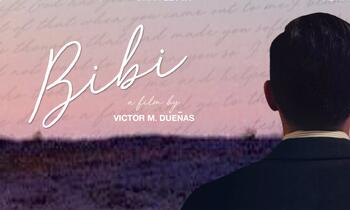
Bibi
This film explores intersectionality in a powerful way, illustrating the beauty and conflict that can arise as we move between languages, places and societal expectations. Bibi tells the story of a Latinx father and son who can talk about anything—but only in writing, in the letters they pass back and forth when conversation seems too much.
An Outrage
This film takes viewers to the very communities where heinous acts of violence took place, offering a painful look back at lives lost to lynching and a critical look forward.
One Survivor Remembers
This Oscar-winning documentary presents Gerda Weissmann Klein’s account of surviving the Holocaust as a child.
Resources for Educators
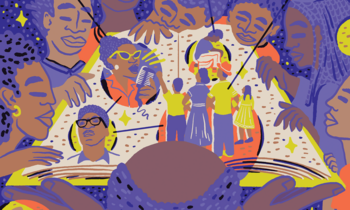
Advocating for Teaching Honest History: What Educators Can Do
Learning honest history—history that is accurate, comprehensive and inclusive of perspectives beyond traditional, dominant narratives—helps us all to understand the forces that shape our world and to make connections between the past and the present. This guide for educators offers resources and tools for teaching honest history and strategies for advocating for honest history education.
Teaching the Civil Rights Movement framework
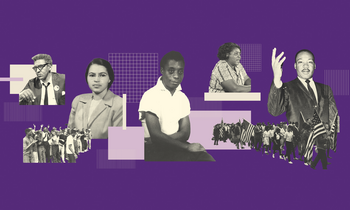
This framework centers Black Americans’ struggle, while pointing out the ways in which white supremacy was institutionalized—across multiple levels of society—to deny political, social and economic equality to Black people. By engaging young people in a more inclusive history and activist pedagogy, students can make connections between past and present, recognizing the relevance of history to today’s justice and civil rights movements.
Teaching Hard History: American Slavery framework
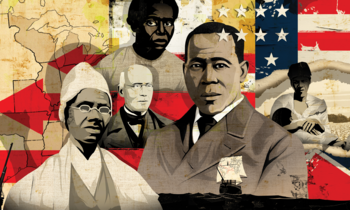
Most students leave high school without an adequate understanding of the role slavery played in the development of the United States—or how its legacies still influence us today. In an effort to remedy this, we developed a comprehensive guide for teaching and learning this critical topic at all grade levels.
Teaching Hard History: American Slavery | Classroom Videos
In these short videos, historians and scholars explore the history of African and Indigenous enslavement in what is now the United States.
Teaching Hard History podcast series
LFJ and host Dr. Hasan Kwame Jeffries brings us the lessons we should have learned in school through the voices of leading scholars and educators. This four-season series (with over 60 episodes) begins with the long and brutal legacy of chattel slavery and reaches through the victories of—and violent responses to—the civil rights movement to the present day.
A Care Plan for Honest History and Difficult Conversations
A research-based approach for strategies of care that educators, parents and caregivers can practice when teaching honest history or engaging in difficult conversations.
Diversifying Classroom Texts webinar
Join antiracist education experts and Learning for Justice for this thought-provoking webinar that highlights the importance of diversifying classroom texts.
Humanizing Asian Americans in the Classroom Through Children’s Literature
Asian American stories are often absent from classroom libraries. In this article, one educator explains why this omission is so harmful—and recommends ways to fix it.
Celebrating Banned Books Means Advocating for LGBTQ Texts
During #BannedBooksWeek, educators should look to the present as well as the past.
EXTERNAL RESOURCES
Fight Censorship
Additional resources and information from the American Library Association.
Books for All
This page from the New York Public Library urges visitors to “protect the freedom to read in your community.”
Books Unbanned
This initiative by the Brooklyn Public Library provides resources to fight against book bans, censorship and political challenges that affect local libraries.
Freedom To Learn
The African American Policy Forum developed an initiative to oppose attacks, in the United States and elsewhere, waged on educational frameworks that address structural inequality, including intersectionality, critical race theory, Black feminism and queer theory.
Banned in the USA: Rising School Book Bans Threaten Free Expression and Students’ First Amendment Rights
In this resource, PEN America documents book bannings reported over a nine-month period (July 1, 2021, to March 31, 2022) and provides an analysis of their findings.
Banned & Challenged Books
Statistics and other resources from the American Library Association about banned and challenged books in the United States.