
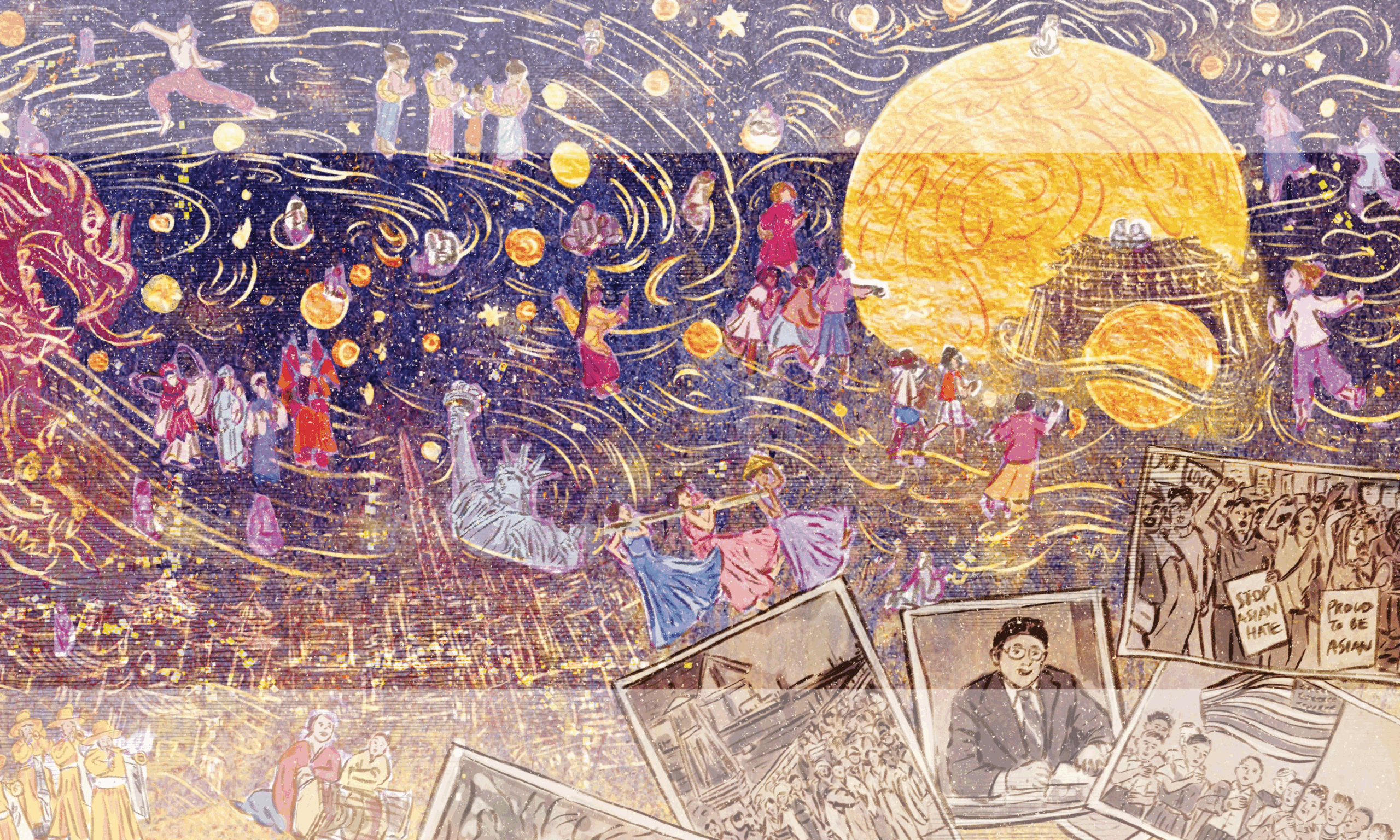
May is Asian American Pacific Islander (AAPI) Heritage Month. We encourage uplifting the histories and lived experiences of AAPI communities. Heritage months are an opportunity to celebrate the diversity of people and cultures that contribute to the rich tapestry of the United States. Our updated resource page offers a place to start for learning more and teaching about AAPI stories.
[Updated May 2026]
Stories and Activities for Children, Families and Educators
Fireflies [Story]

[2024] When 10-year-old Kaden wonders whether he’s gay, he turns to his older brother, who offers the love and acceptance all caring adults should give to a child.
Min Jee’s Lunch [Story]
[2020] When a classmate says Min Jee’s Korean lunch is “how everyone got sick,” will her friends speak up?
The Fighting Mynahs [Story]
[2008] A story from Hawaii about how it’s better to share and cooperate than to squabble and fight.
A Place Where Sunflowers Grow [Story]
[2006] Mari and her family have been sent to an internment camp in Utah. She does not understand what they have done to deserve their internment and longs for her backyard in California where she used to grow sunflowers.
Connecting With Literature [Toolkit]
[2024] Important points, learning activities and questions for reflecting on and discussing stories through the lens of literature as “mirrors, windows and sliding glass doors.”
Exploring Identity and Commonalities [Toolkit]
[2024] Conversations about commonalities across cultures can help children build empathy and understand identity and diversity.
Humanizing Asian Americans in the Classroom Through Children’s Literature [Article]
[2021] Asian American stories are often absent from classroom libraries. In this article, one educator explains why this gap is so harmful and recommends ways to fix it.
AAPI Identity, Culture and History
Beyond the Barbed Wire [Story]
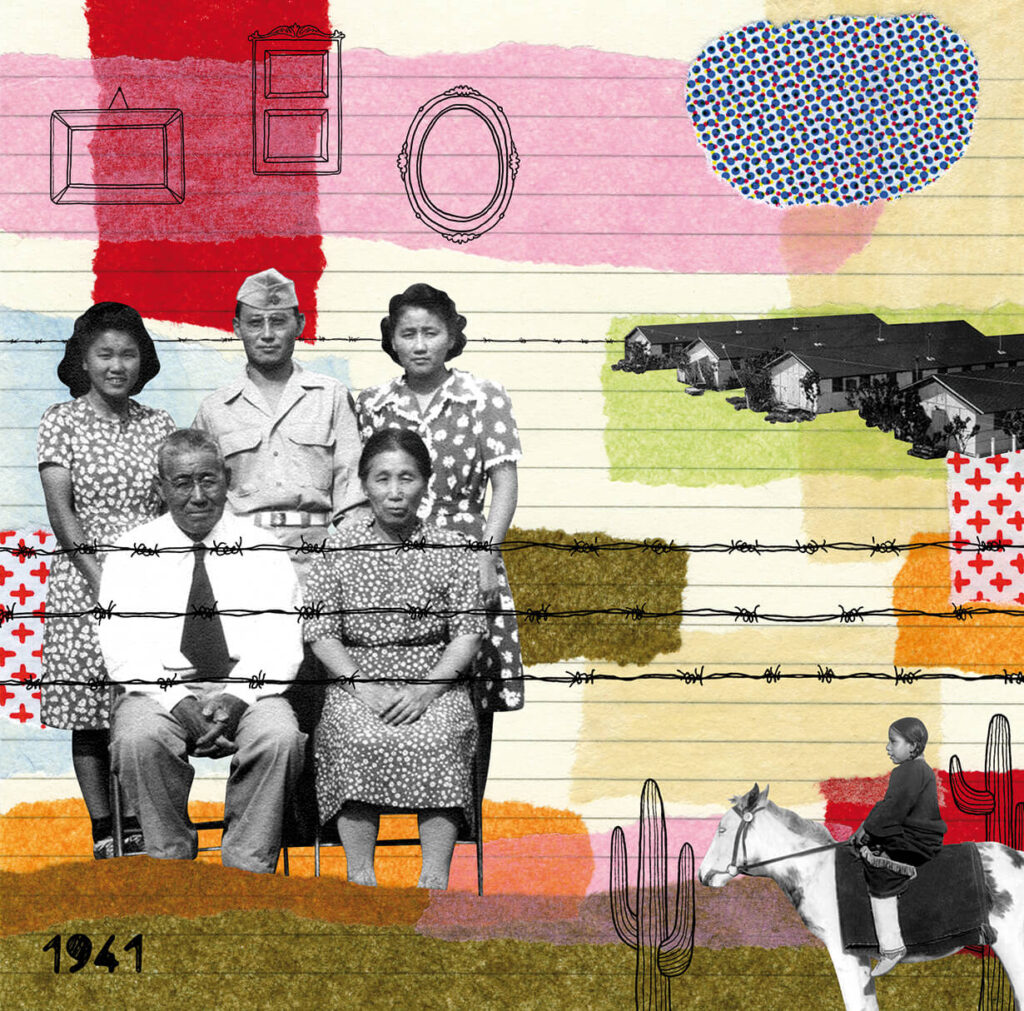
[2010] Helen Tsuchiya, born a U.S. citizen, tells what it was like to move from her home to an internment camp surrounded by barbed wire after the Japanese attack on Pearl Harbor.
We Still Haven’t Learned From This [Article]
[2020] Japanese American incarceration stories are American stories that need to be told.
Teaching Asian American and Pacific Islander Heritage [Webinar]
[2019] This webinar unpacks the origins, meaning and contemporary impact of the term “Asian American Pacific Islander,” breaks down the “model minority” myth, and offers resources to effectively teach AAPI history.
A Remote Control for Learning [Article and Toolkit]
[2018] Artist, author and educator Gene Luen Yang talks about teaching, comics and the importance of diverse characters.
(In)Visible Identity [Article]
[2018] Sikhs have been in the United States for more than 125 years, but our collective lack of knowledge about this religious group leaves Sikh students vulnerable.
Teachers, Check Your Texts [Article]
[2017] LGBTQ+ Asian identities need to be amplified in the school curriculum — and not just during a heritage month.
I Am Asian American [Article and Toolkit]
[2013] Uncover the true diversity beneath the Asian American label in this article. The toolkit provides resources to help teachers reflect on their own assumptions and knowledge gaps about Asian Americans and include a variety of Asian American voices in their curricula.
Addressing Anti-Asian Bias
Understanding Antisemitism and Islamophobia in Education [Article and Toolkit]
[2024] To address antisemitism and Islamophobia in schools, we need to understand these forms of hate and how they show up in education spaces. This learning journey (part 1 of 2) provides an overview of antisemitism and Islamophobia.
Transforming School Culture to Address Antisemitism and Islamophobia [Article and Toolkit]

[2024] This learning journey (part 2 of 2) offers resources and recommendations for constructing supportive and inclusive learning spaces to address antisemitism and Islamophobia.
Supporting Students from Immigrant Families [Resource Page]
Learn more about immigrant students’ rights, public schools’ obligations to immigrant students, and resources for families.
What Is the ‘Model Minority’ Myth?
[2019] The myth of the “model minority” is pervasive. It does real damage. And Asian American students aren’t the only ones it harms.
After Atlanta: Teaching About Asian American Identity and History
[2021] One educator shares the conversation she started with students the day after the 2021 shootings in Atlanta and recommends resources anyone can use to teach about Asian American history and identity.
Speaking Up Against Racism Around Coronavirus
[2020] The coronavirus became racialized, so it’s critical that educators understand the historical context and confront racist tropes and xenophobia from students and colleagues.
How to Respond to Coronavirus Racism
[2020] As COVID-19 infections increase, so too does racism and xenophobia. Use our “Speak Up” strategies to let people know you’re not OK with racist or xenophobic comments about coronavirus or anything else.
Book Reviews and Related Resources
Books to educate, celebrate Asian American and Pacific Islander Heritage Month

The Southern Poverty Law Center Asian American and Pacific Islander Affinity Group offers book recommendations to learn more about this community.
SPLC staff recommend these films and TV shows to celebrate AAPI Heritage Month
The Southern Poverty Law Center’s Asian American and Pacific Islander Affinity Group recommends movies and TV shows — documentaries, comedies and dramas depicting everything from feudal Japan to modern Mumbai, as well as a number of settings across the U.S. — that offer a glimpse at the history, diversity and cultural dynamics of the AAPI community.
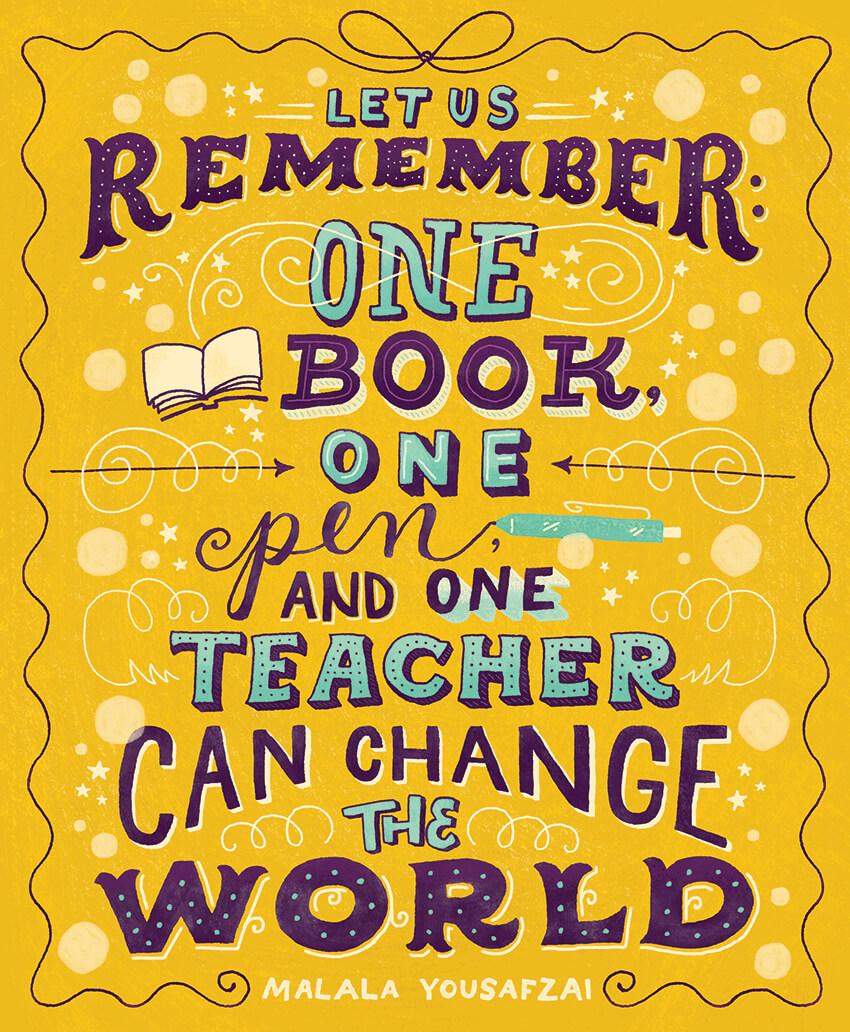
Malala Yousafzai
“Let us remember: one book, one pen and one teacher can change the world.”
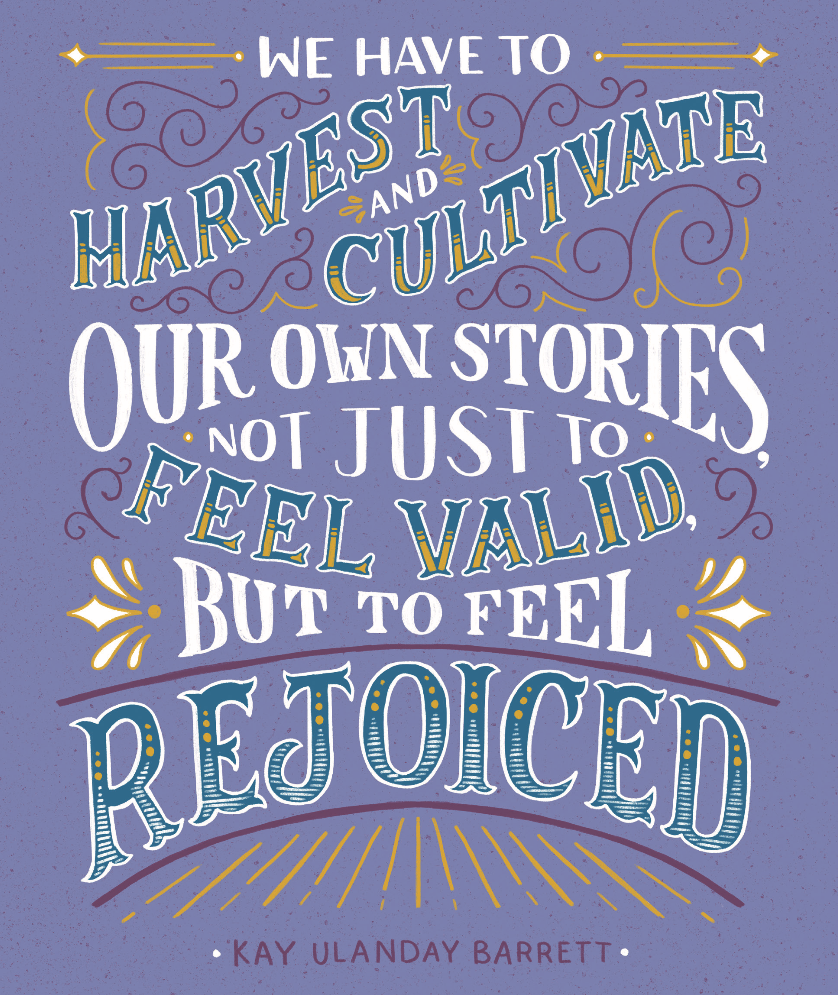
Kay Ulanday Barrett
“We have to harness and cultivate our own stories, not just to feel valid, but to feel rejoiced.”
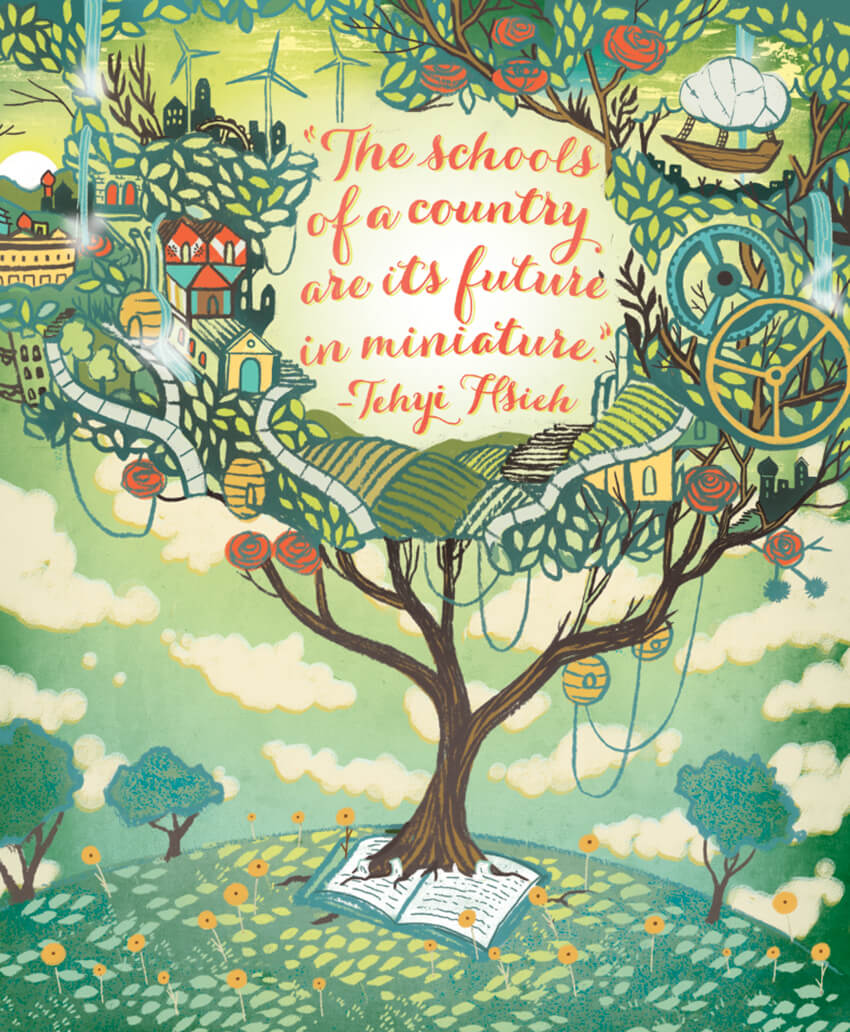
Tehyi Hsieh
“The schools of a country are its future in miniature.”