Living in the Wake
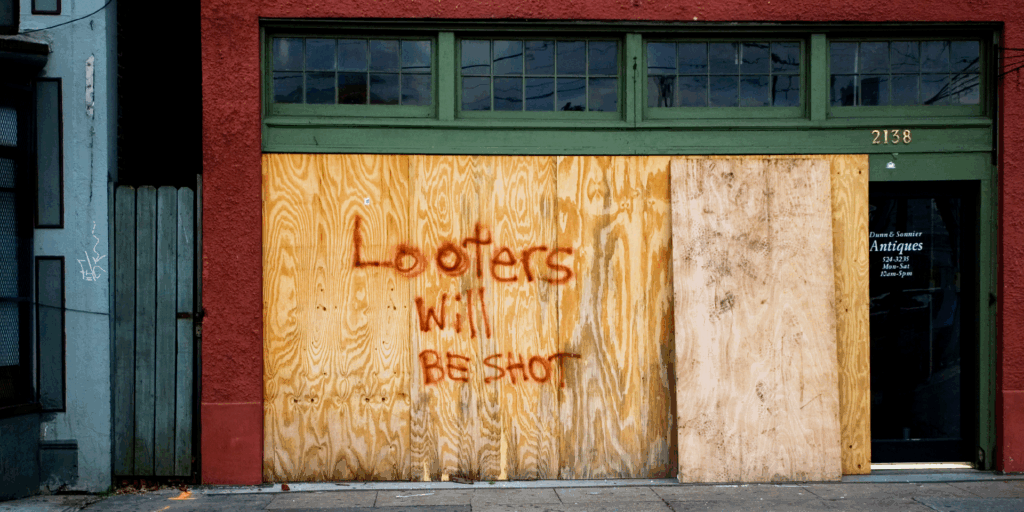
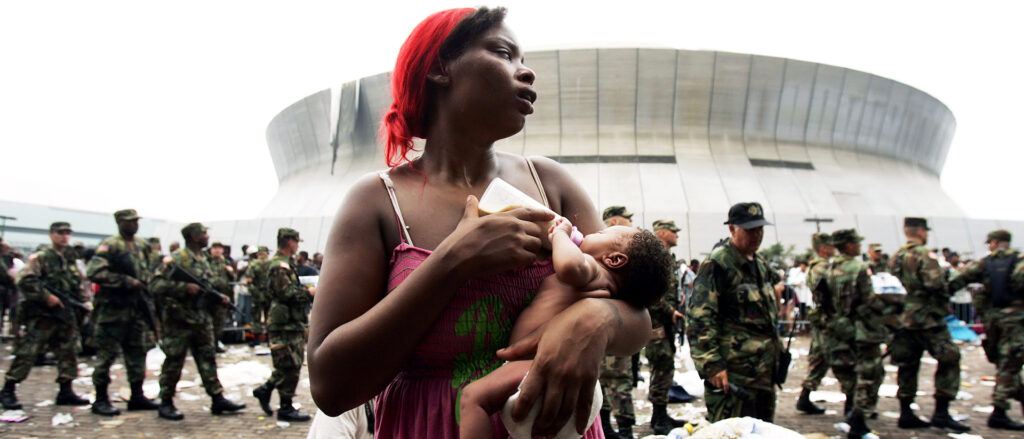
Twenty years ago, what would become the costliest natural disaster in U.S. history made landfall in New Orleans bringing with it an unparalleled level of devastation that continues to leave a scar across the city and the region today.
The destruction and loss of life wrought by Hurricane Katrina shocked the nation and exposed the deeply rooted inequities that left the cities’ Black communities especially vulnerable to the damage and displacement caused by the storm. But what should have been a wakeup call has been largely unanswered, as two decades of recovery have failed to improve the conditions that put so many of the city’s Black residents directly in the path of danger.
“Living in the Wake: The Enduring Legacy of Hurricane Katrina” explores how racial and economic inequality, governmental failures and the need for systemic reforms created the perfect storm of risk that, in many arenas, remains unaddressed despite the city’s efforts to rebuild. How can New Orleans better shield its communities from the devastation of the next natural disaster?
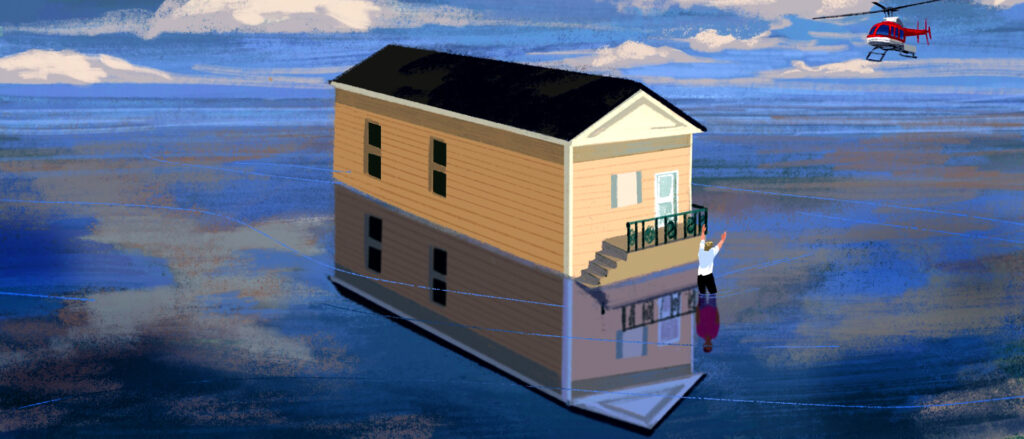
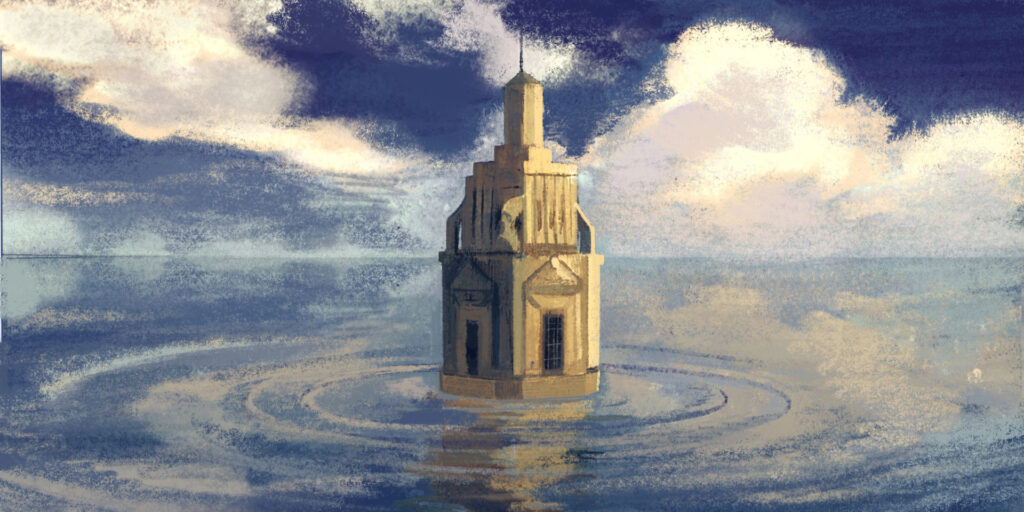
Can Hurricanes Discriminate?
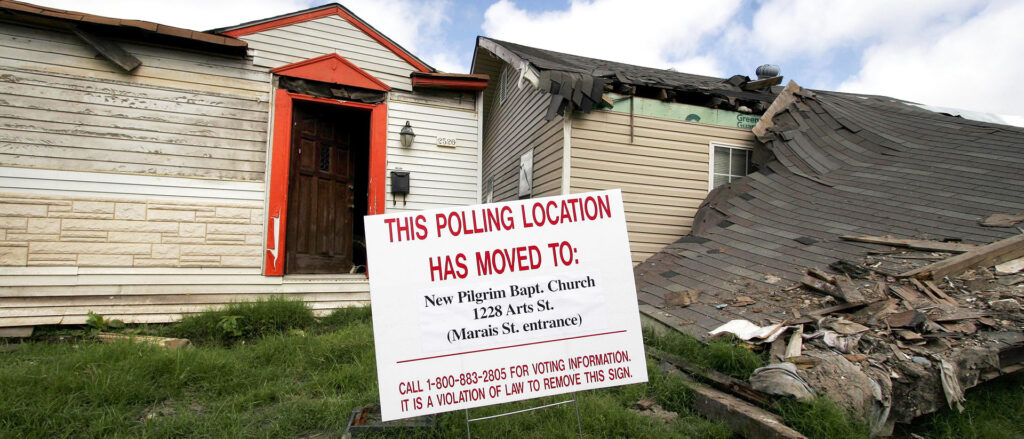
Examining Economic Justice
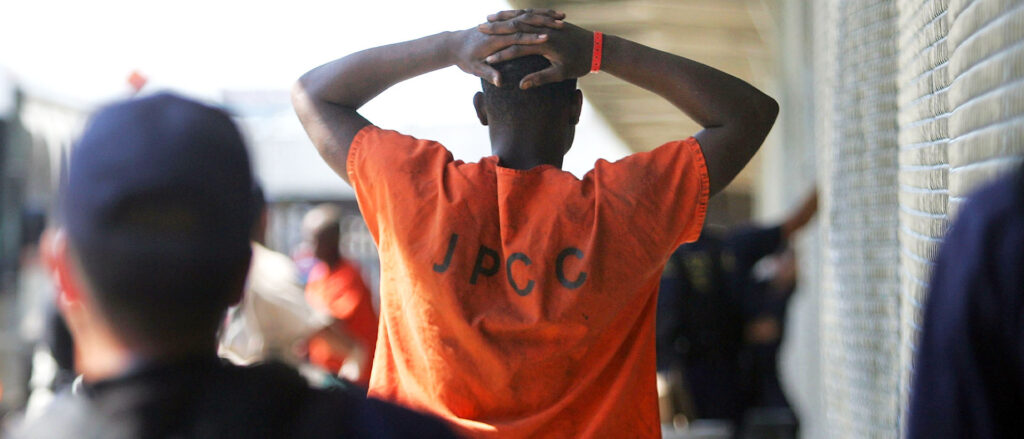
in Disaster Response
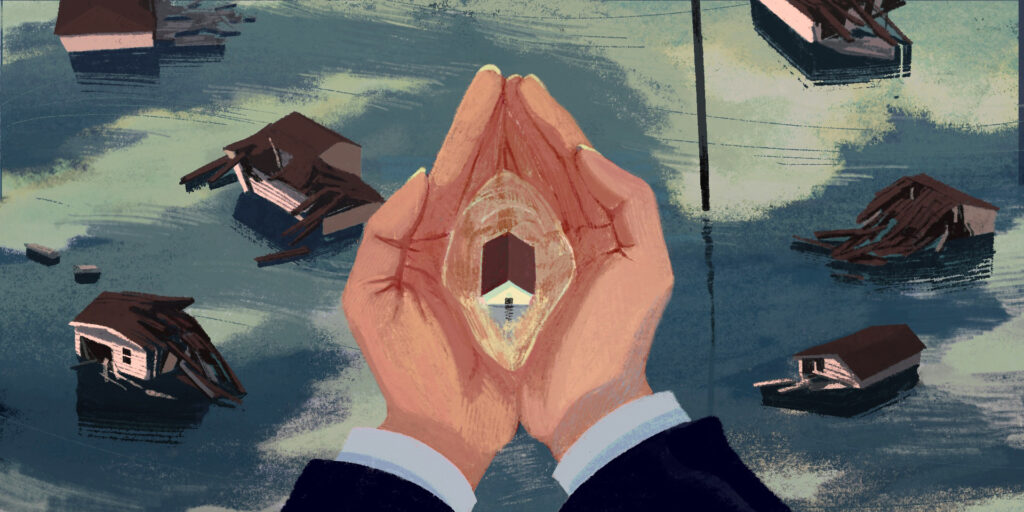
Making Recovery Last
160 years after our first commitment
to recovery for newly emancipated Black people
— we find ourselves reflecting on the recovery
of New Orleans 20 years after Hurricane Katrina.

From Katrina to Helene:
The Far Right Exploits
Natural Disasters
Portraits from New Orleans
Crescent City remains under constant existential threat, yet the spirit of the city is still alive. The creation of Musicians’ Village proved invaluable to fostering the sense of community that they say defines New Orleans musicians.
(Credit: Kathleen Flynn and Jane Geisler)
In images captured by one photographer returning to the city since evacuating, a vibrant community shines through. View the photo essay.
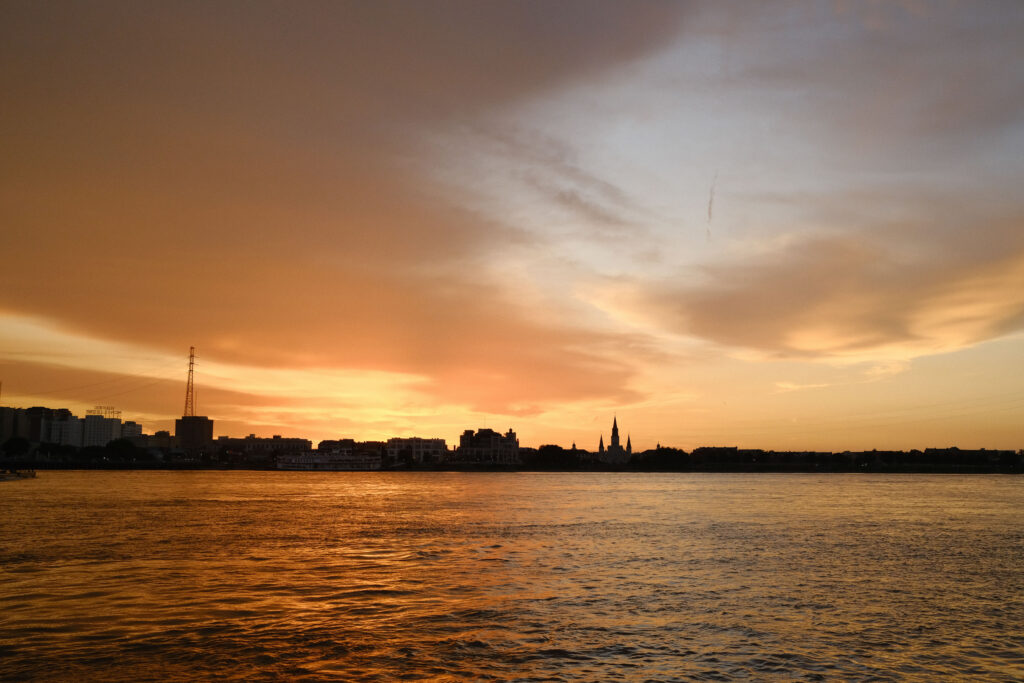
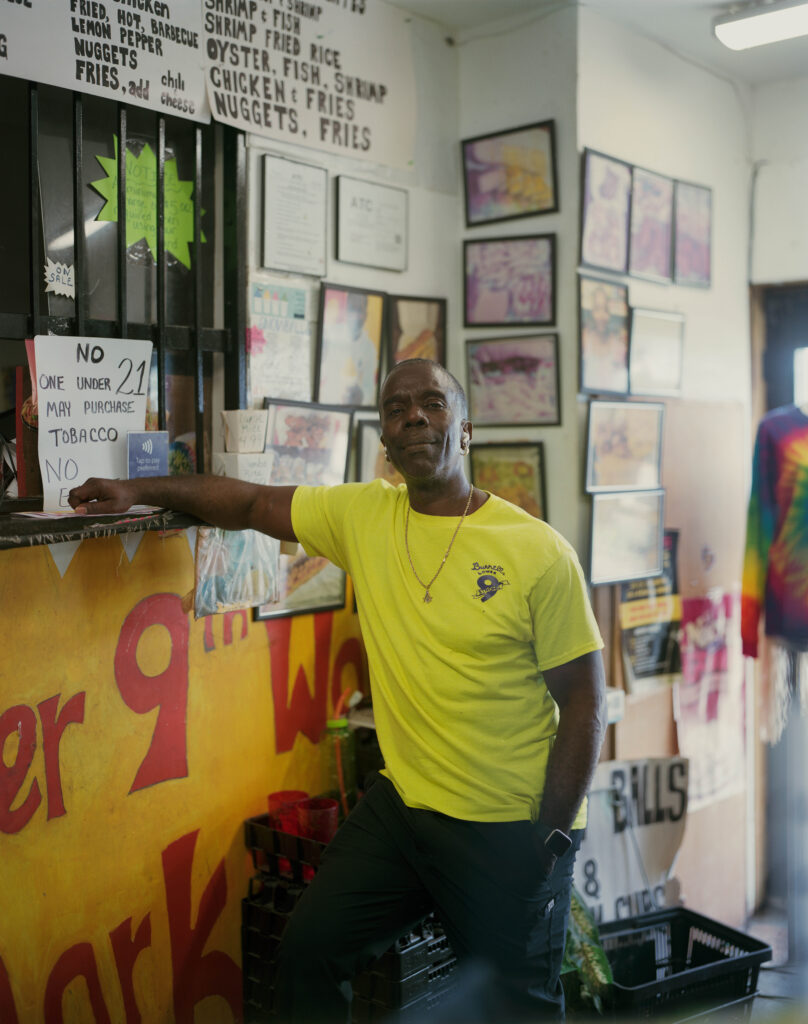
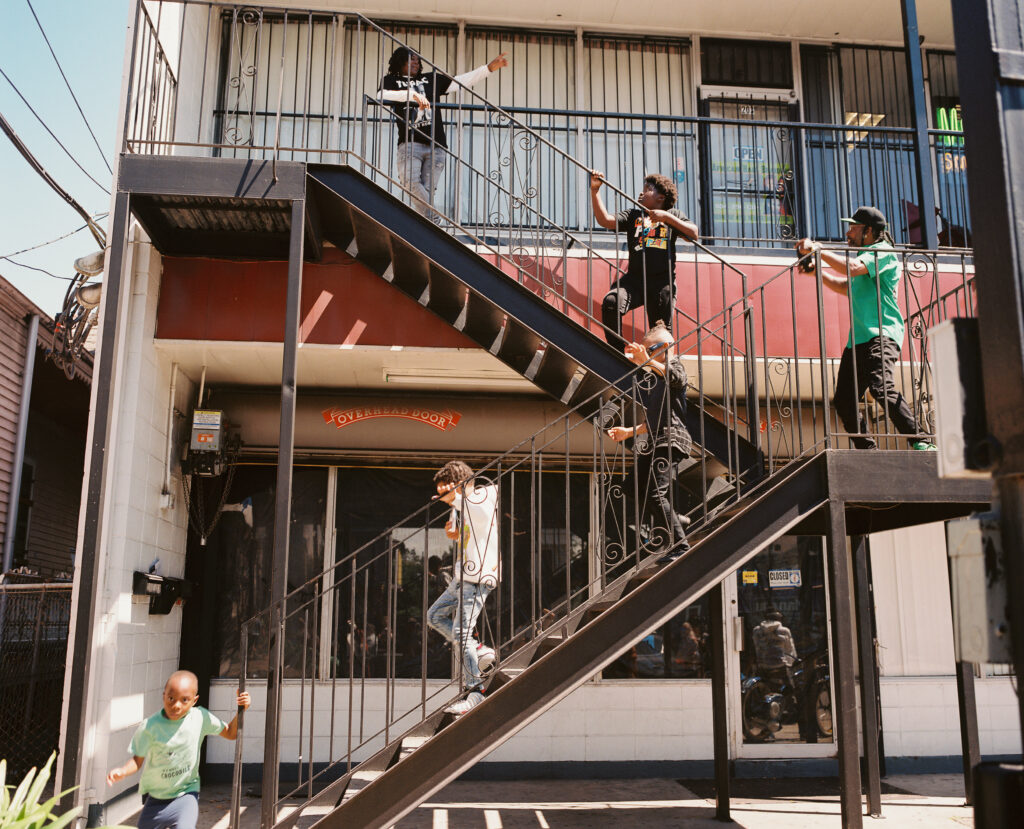
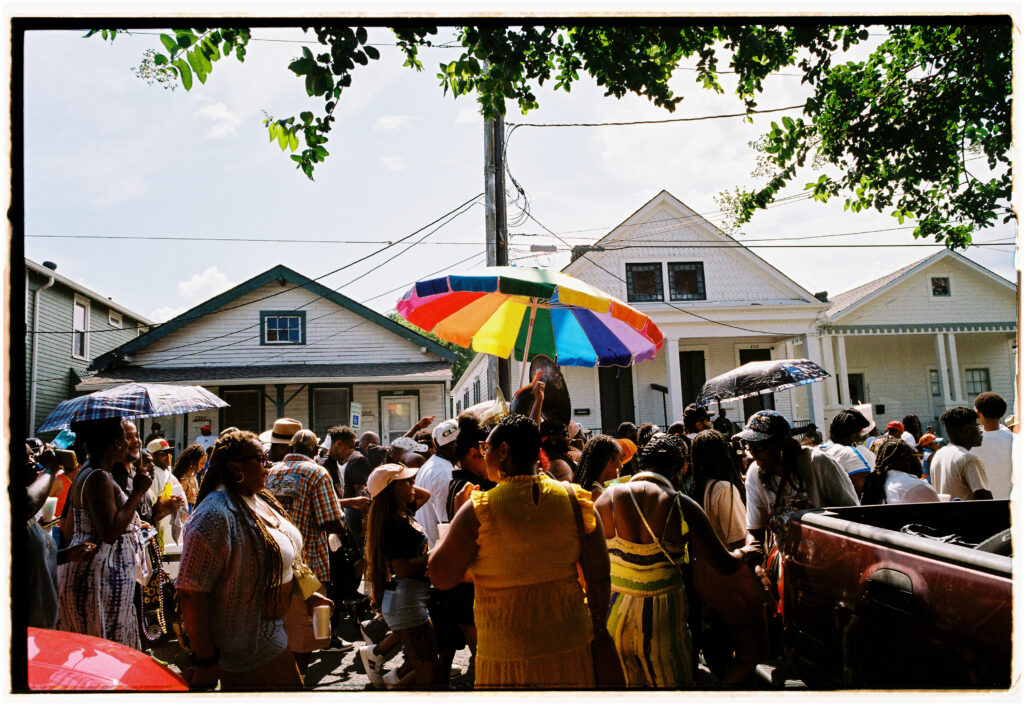
Photography by Brandon Holland
More Essays
The Southern Poverty Law Center examines what the failures of the past can teach leaders about creating the kinds of inclusive, forward-thinking policies New Orleans needs to transform communities that have endured decades of neglect.