Democracy doesn’t begin at the ballot box. It begins in the mind.
Before a person ever casts a vote, they must first believe that their voice matters. For a long time, especially in Mississippi, systems were designed to convince Black people that our voices didn’t count. Literacy tests, intimidation, poll taxes and local power structures worked together to keep everyday people out of the process not because they lacked intelligence, but because they possessed influence.
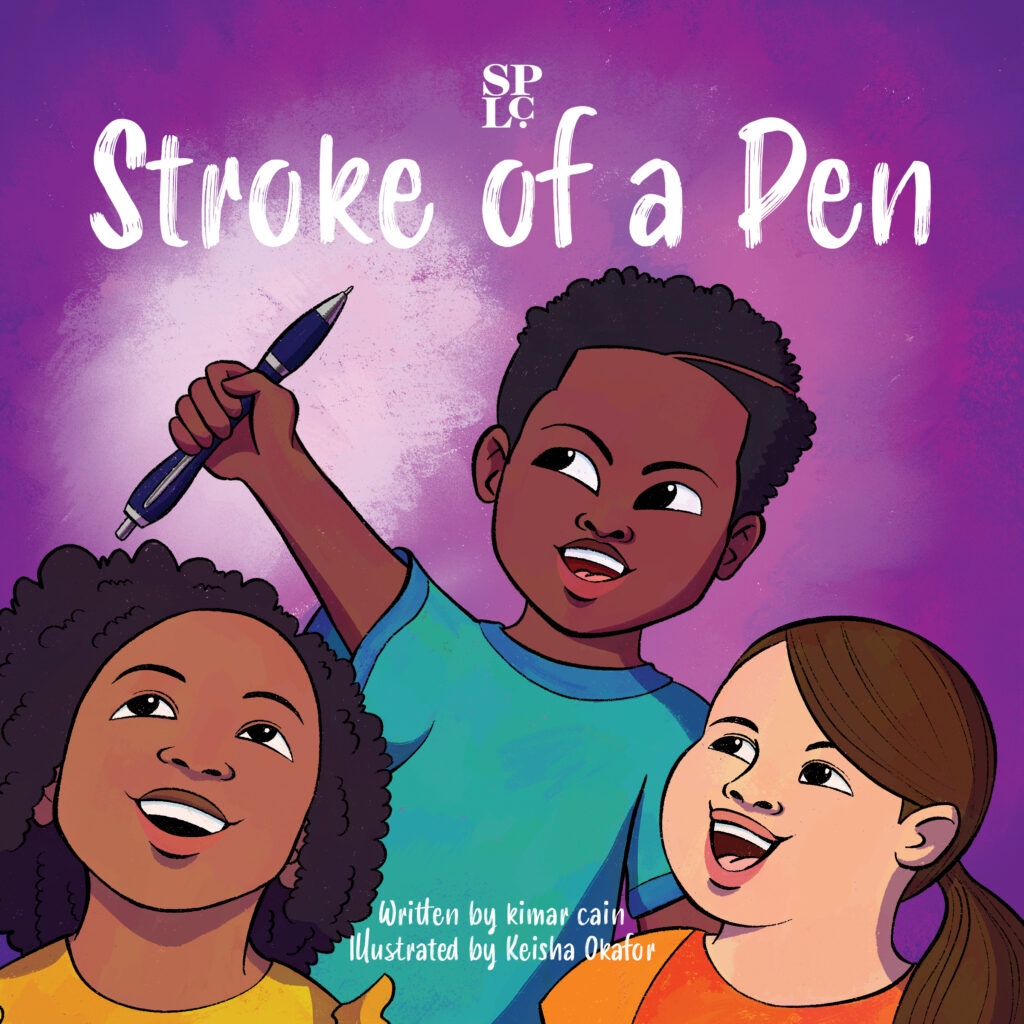
When I wrote Stroke of a Pen, a children’s book about voting rights, I wanted young readers to see that history didn’t happen in black-and-white photographs. It happened with families at kitchen tables and in living rooms. It happened in neighborhoods with community folk who looked like them.
The book centers around a simple idea — that one signature changed millions of lives and allowed millions to speak up via the ballot. The late President Lyndon B. Johnson may have signed the Voting Rights Act of 1965 (VRA) into law, but Black communities and allies led the charge that put pressure on Johnson’s pen: Months before Johnson signed the VRA, brave civil rights foot soldiers advocating the right to vote for Black people crossed the Edmund Pettus Bridge in Selma, Alabama. State troopers wielding billy clubs beat them mercilessly as the world watched, galvanizing public opinion in favor of the marchers. The 61st anniversary of Bloody Sunday is coming up on March 7.
It’s important for our children to know this history. Children deserve to grow up knowing voting isn’t just politics, it’s belonging. It’s dignity. It’s representation and identity. It’s knowing they can shift and shape the world they’re inheriting.
The Voting Rights Act of 1965, which outlawed racial discrimination in voting, didn’t just change elections, it changed imaginations. It let community members know that their work did not go in vain and that they have a right to take part in the decisions that shape their lives.
Currently, the Voting Rights Act is under a threat from conservatives. Louisiana v. Callais, a case that is looming before the U.S. Supreme Court, seeks to undo long-standing rules enshrined in Section 2 of the VRA about how voting district mapmakers ensure that racial minorities get the opportunity to elect leaders of their own choosing.
The case underscores why the VRA is so essential to our voting rights.
The proof in Mississippi
One of the clearest examples of the VRA’s power happened in the great state of Mississippi. After federal protections opened voter registration across Mississippi, citizens in Holmes County elected the first Black lawmaker in the Mississippi Legislature since Reconstruction, Robert G. Clark Jr., in 1967.
Pause and consider this for a moment. An educator, a Black educator in Mississippi, was elected to write the laws of the state that once refused to educate him equally.
Inspiration.
Clark had already paid the price for believing in justice. Supporting desegregation had cost him his job and livelihood. But the ballot gave him something stronger than a position. It gave him authority and autonomy. Over time, he would chair the House Education Committee and help shape public education across Mississippi.
That’s the connection. Voting didn’t just put a man in office. Voting put education within reach.
Education builds citizens
Every generation faces new versions of old questions: Who gets represented? Who gets heard? Who gets protected?
Democracy doesn’t collapse in one moment but erodes when people forget why participation matters. The responsibility becomes educational as much as political. If young people don’t understand the struggle, they won’t understand what’s at stake. Also, if they don’t understand the stakes, they won’t guard the rights. We need guards.
The Voting Rights Act did more than grant access to the polls for those long excluded from the process. It also expanded the definition of who counts as the public. Mississippi’s story proves it. From suppressed registration to Black leadership shaping education policy, we see what happens when knowledge meets access.
We don’t protect voting rights only on Election Day. We protect them every time we teach history honestly, raise children consciously and remind communities that their voices are more powerful than they may realize.
Democracy survives where people understand it. Understanding begins in the classroom before it ever reaches the ballot box.
Kimar Cain is a community organizer with the SPLC’s Mississippi state office and the author of Stroke of a Pen.
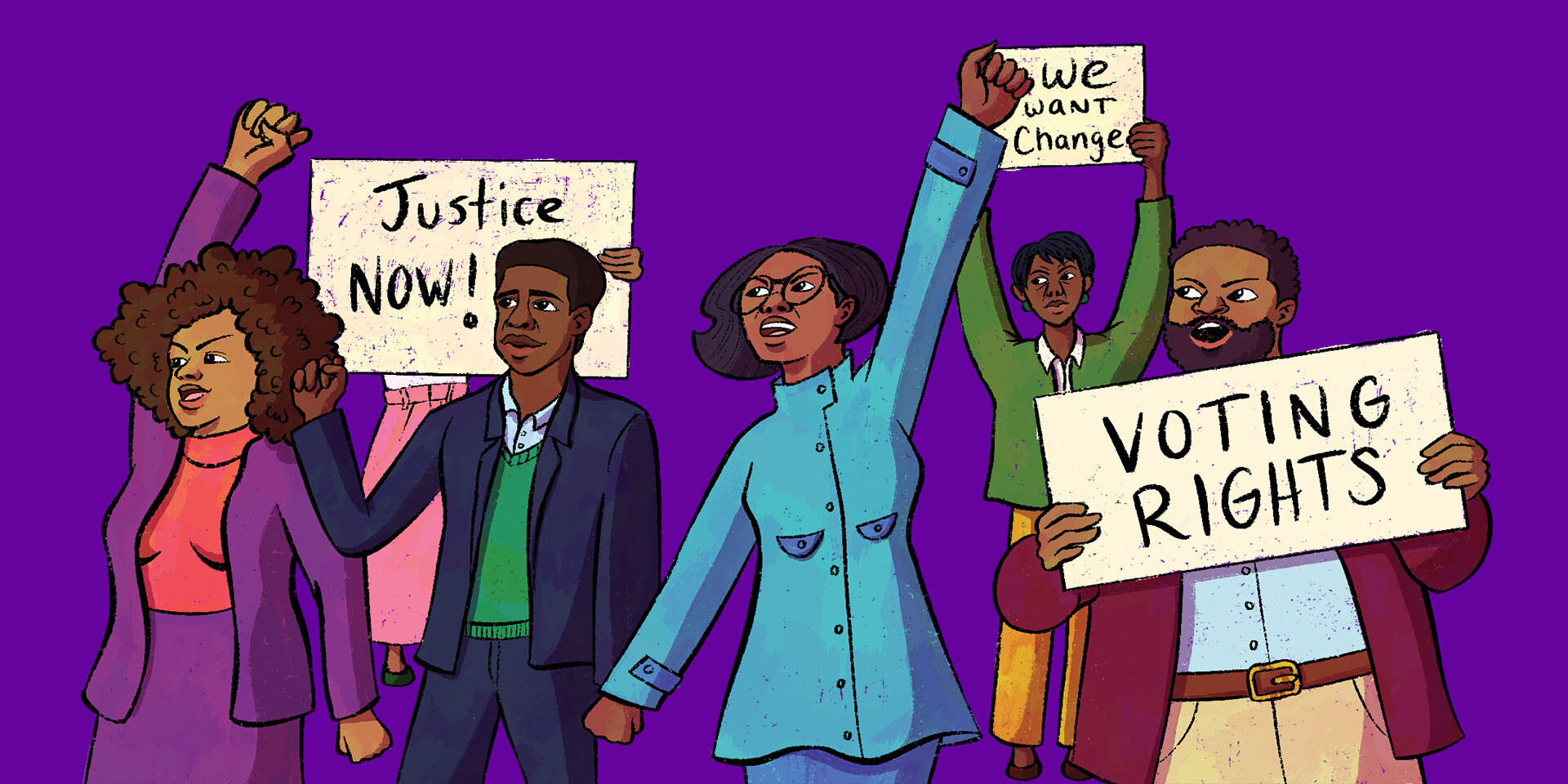
Illustration by Keisha Okafor.