Critically Strained: Underfunding in Georgia Elections

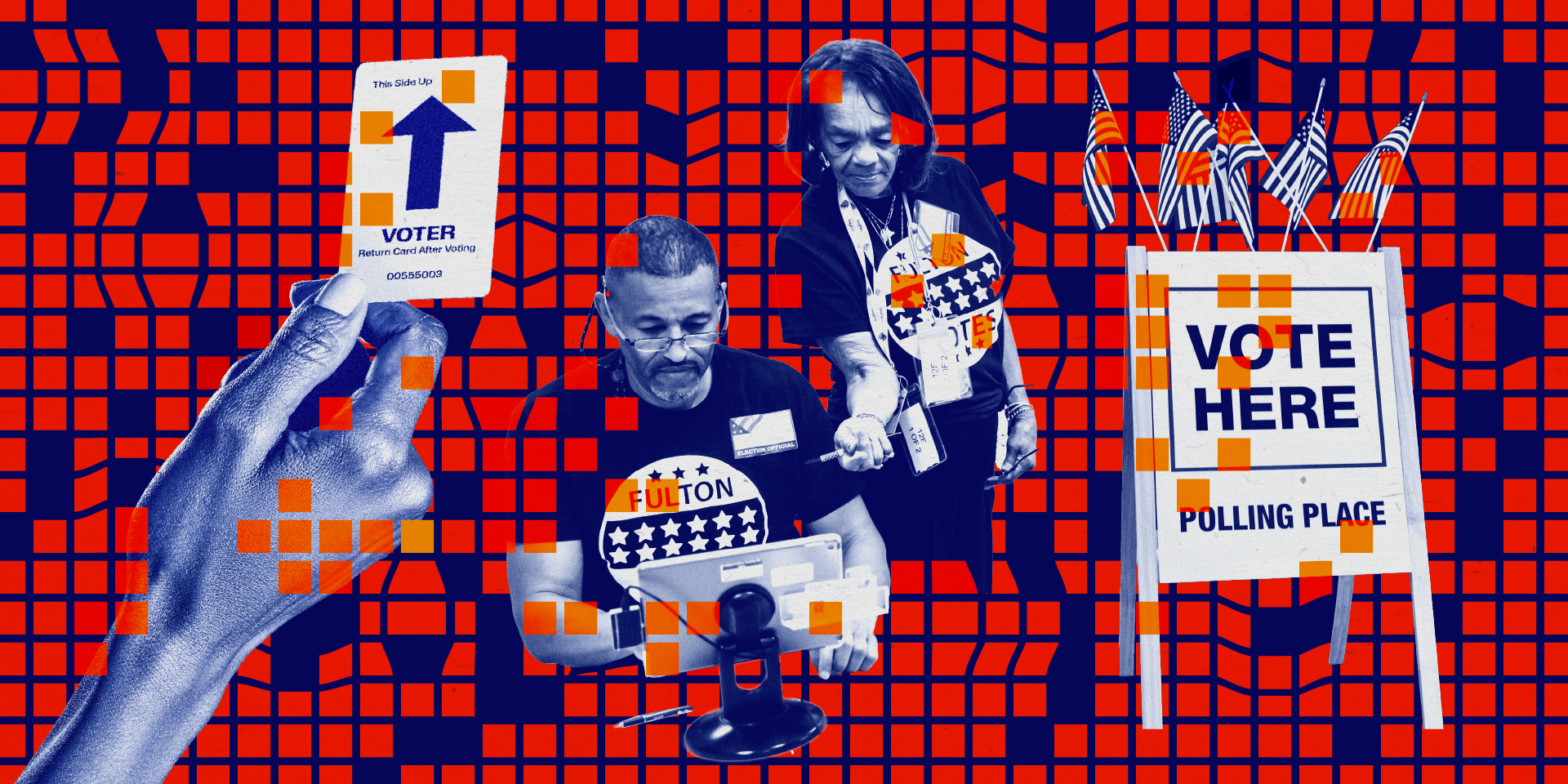
assorted images related to voting and voters

Thulasi Seshan

Introduction

This project examines the critical strain caused by underfunding in Georgia elections. In Georgia, elections are administered at the county level, but governed by the state. In recent years, the state has repeatedly passed complex election-related legislation without providing funding for counties to comply with the new legal requirements. As a result, Georgia counties have been forced to make difficult tradeoffs to stay legally compliant and deliver elections for their voters. Today, the state’s elections infrastructure is showing clear signs of strain.

We spoke with county election supervisors from across the state to learn how underfunding has impacted their election administration. We heard these overarching themes:

  • The counties cover a wide array of equipment costs but are still in need of support purchasing basic items like printers, batteries and thermal tape.
  • The continually shifting legislative landscape has caused issues with budgeting.
  • Poll worker recruitment and retention are continuing challenges.
The research, conducted in equal partnership with the Georgia Coalition for the People’s Agenda, is presented through a series of policy briefs. We include testimony from administrators about what they’re seeing on the ground, which informs our policy recommendations on how Georgia can best support its voters.

We call on the state of Georgia to provide direct, targeted funding to counties to support poll worker recruitment, equipment maintenance and voter education. The state should also ensure a stable legislative environment for election administration in Georgia. 

We call on the federal government to appropriate robust funding for Georgia election administration each year and require that some funds pass through to localities.  

We hope readers find the following information interesting, instructive and actionable. The details of democracy matter.

Georgia Must Address Underfunding In Its Election System With Urgency

Elections in Georgia Are Under Strain and Underfunded

Elections in Georgia and across the country are becoming more complex, more expensive, and more difficult to administer. Counties are mostly fulfilling their legal requirements, but there is clear evidence of strain in the system. The state has contributed to this environment by repeatedly passing complex election-related legislation, but without providing funding for counties to comply with the new requirements in these laws. As a result, Georgia counties are forced to make difficult tradeoffs to stay legally compliant and deliver elections for their voters. From equipment maintenance to poll worker recruitment, underfunding impacts the elections system across the board.

The State and Federal Governments Must Provide Funding for Georgia Elections

The state of Georgia should provide direct, targeted funding to counties to support poll worker recruitment and equipment functionality. The state of Georgia should also ensure a stable legislative environment for election administration in Georgia.

The federal government should appropriate robust funding for Georgia election administration each year and require that some funds pass through to localities. 

Underfunded Elections Are a Concern for Security and Democracy

Well-run elections are not a luxury. They are essential to the health of our nation. In 2017, the Department of Homeland Security designated elections as part of the nation’s critical infrastructure, defined in the Patriot Act as “systems and assets … so vital to the United States that the incapacity or destruction of such systems and assets would have a debilitating impact on security.” Furthermore, free and fair elections are the cornerstone of our democratic republic. Protecting election infrastructure is a critical component of protecting our fundamental rights.

Today, that infrastructure is under strain. By and large, Georgia election administrators work diligently to deliver accessible, compliant and smooth elections. However, they are operating in an environment that makes this task increasingly difficult. Elections have become more complex to administer over the past several years, technologically, logistically and legally. Poll workers are becoming harder to recruit, particularly poll workers with technological literacy. Election administrators themselves are burning out, with turnover at an all-time-high rate of 40%. It is only a matter of time before this situation impacts Georgia voters’ ability to vote. Without an infusion of support into our election infrastructure, the entire system is at risk of failure. Specifically, our local election infrastructure needs more financial support.

The State Government Should Take Financial Responsibility for Its Mandates

Historically, the state government has not been the primary funder of election administration in Georgia. The state maintains Georgia’s voter registration database through the secretary of state’s office, and in 2019, the state purchased new voting machines for all Georgia counties. Besides these, almost all other election administration expenses are borne by the county governments. These expenses include, but are not limited to: recruitment and compensation for poll workers; technology and equipment maintenance; voter education and outreach; printing; mailing; and physical infrastructure maintenance.

Intermittently, the federal government has provided grant funding to support election administration through the Help America Vote Act (HAVA). However, these funds are inconsistent and often insufficient. In many cases, the funds do not pass through to county administrators.

The state has repeatedly enacted election-related legislation that county election officials are then required to implement. Georgia is not unique in this regard; following the 2020 election, state lawmakers across the country introduced unprecedented numbers of election bills. The reality, as one reporter colorfully put it, is that elections “do not run on pixie dust.” Even legislation written with the best of intentions may do more harm than good if it is imposed as an unfunded mandate. Rather than solving a problem, such laws can and do put additional strain on an already overburdened elections system.

Research Methodology Centered on Election Supervisor Interviews

We interviewed a representative sample of county elections supervisors across the state of Georgia to better understand the financial strain on Georgia’s election infrastructure. These supervisors lead elections offices in rural, urban, white, Black, wealthy and poor counties. Many have received awards and recognition for their leadership in the field of election administration. The supervisors we spoke with praised their counties’ leadership for doing as much as possible to fund elections adequately. And yet, each supervisor also noted the struggles that have come with trying to run elections in an increasingly complex and constrained landscape.

Findings Highlight Multiple Issues Which Funding Could Address

Elections administrators reported the following themes in their interviews:

  • The counties cover a wide array of equipment costs but are still in need of support purchasing basic items like printers, batteries and thermal tape.
  • The continually shifting legislative landscape has caused issues with budgeting.
  • Poll worker recruitment and retention are growing challenges.

Upcoming Papers

In this series, we will delve further into these issues, centering the voices and perspectives of election administrators. We will also present policy recommendations based on best practices and creative solutions adopted in other states.

Image at top: by the SPLC