Reports

-
- Ending Unjust Imprisonment
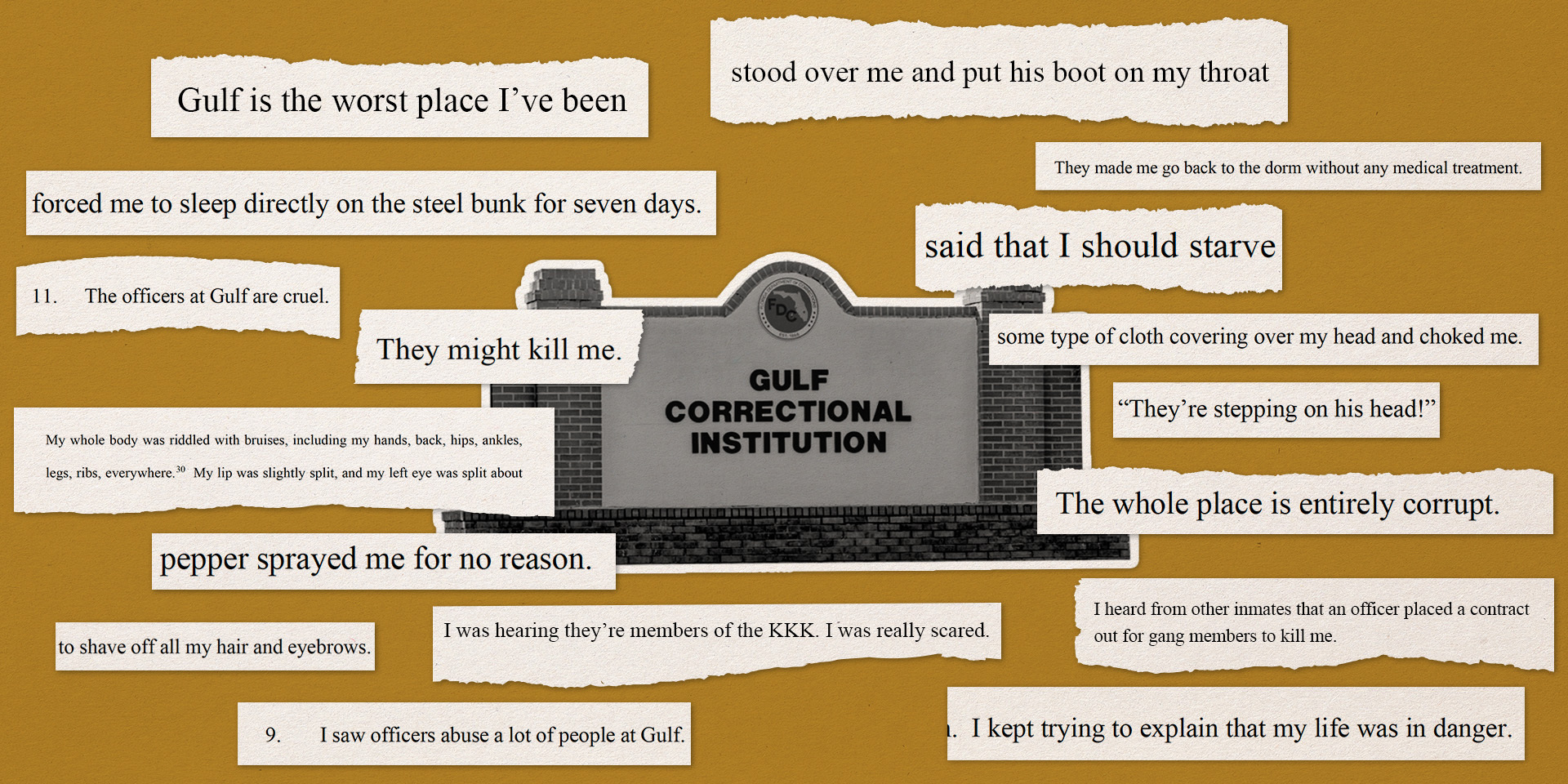
Florida’s Gulf Correctional Institution
Head strikes, body slams, stabbings, chemical agents sprayed within inches of the face — this isn’t a dramatized portrayal of prison violence for a splashy television series. This is the daily reality for incarcerated people at Gulf Correctional Institution and many other Florida prisons. Gulf is one of the most brutal prisons run by the…
-
- Strengthening Democracy & Voting Rights
Under the Radar
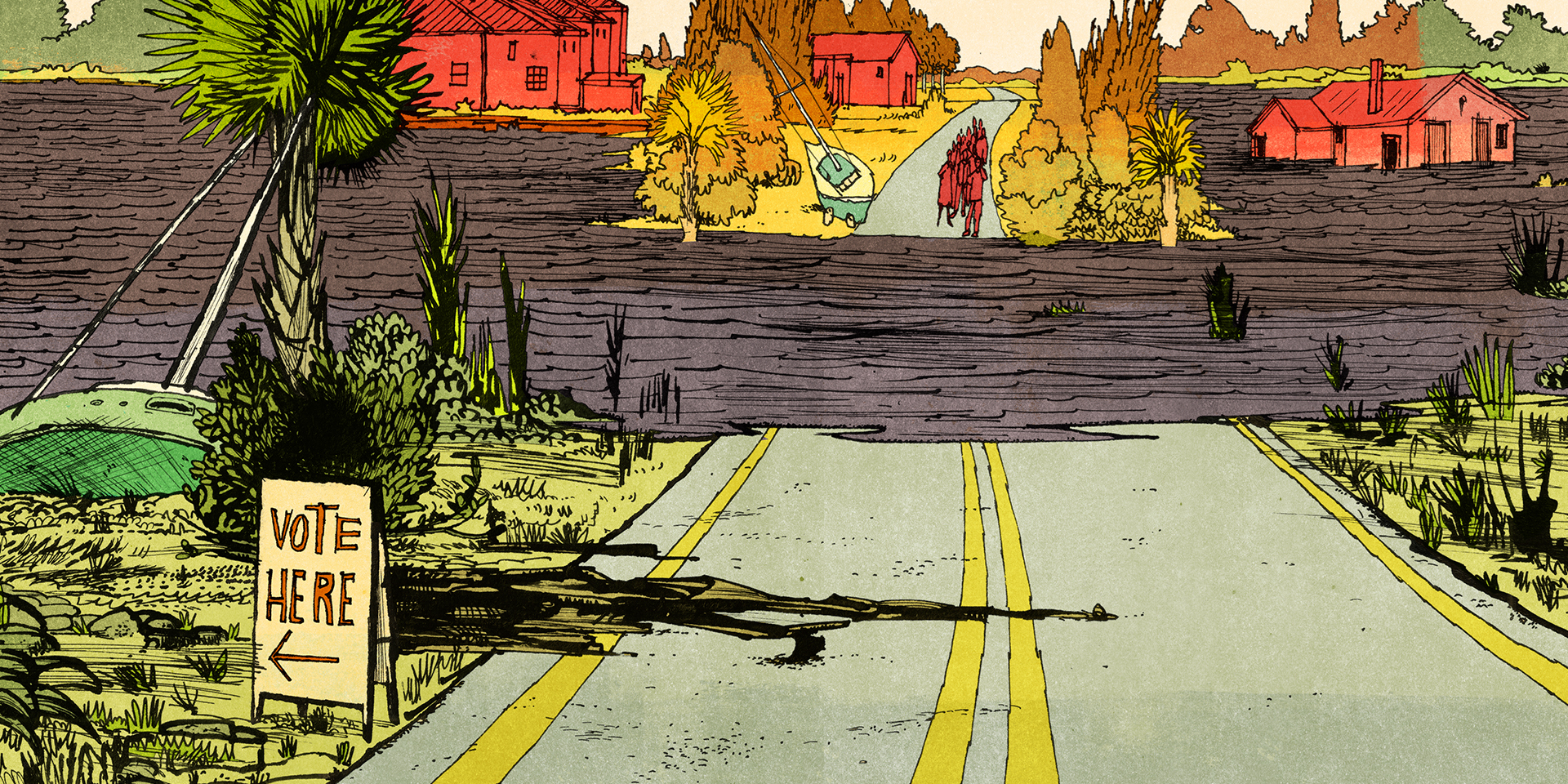
Introduction 2025 marked the 20th anniversary of Hurricane Katrina, a landmark natural disaster and human cataclysm. Amid the devastation of that hurricane, we witnessed the infringement of fundamental human rights, including access to food, water, shelter and safety. But the right that undergirds all of these is the right to vote: “preservative of all rights,”…
-
Annual Report
With so much on the line for our communities and a historic election on the horizon in 2024, it was critical that our efforts to advance racial justice in the Deep South were strategic, innovative and impactful.
-
- Dismantling White Supremacy
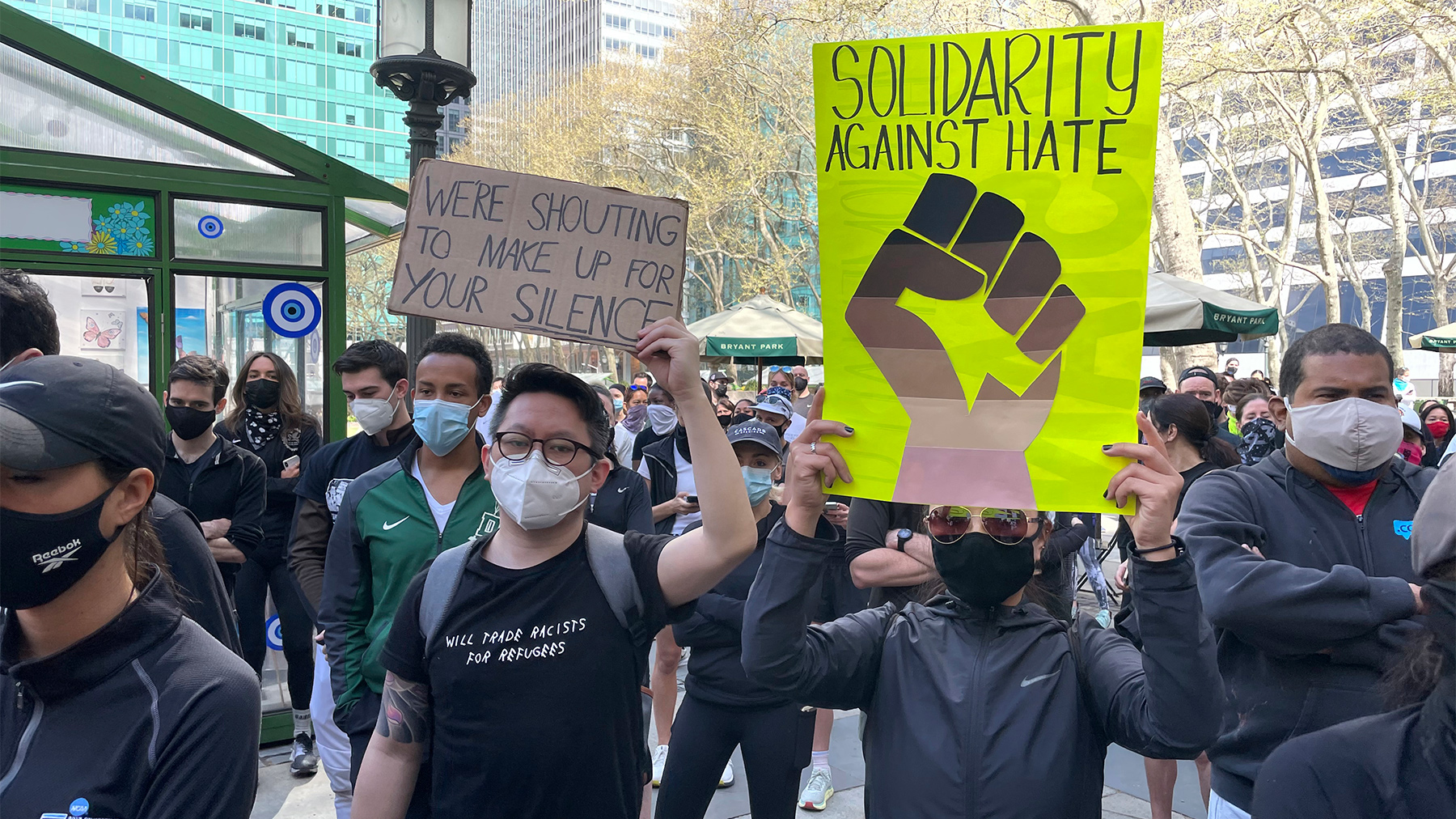
Hate Crimes, Explained
The starting point for understanding hate crimes and their impact is to recognize that criminal activity motivated by bias is different from other criminal conduct. First, these crimes occur because of the perpetrator’s bias or animus against the victim on the basis of actual or perceived status. The victim’s race, religion, ethnicity, gender, gender identity,…
-
We can fight hate and build community
This guide sets out 10 principles for fighting hate, along with a collection of inspiring stories of people who worked to push hate out of their communities.
-
- Ending Unjust Imprisonment
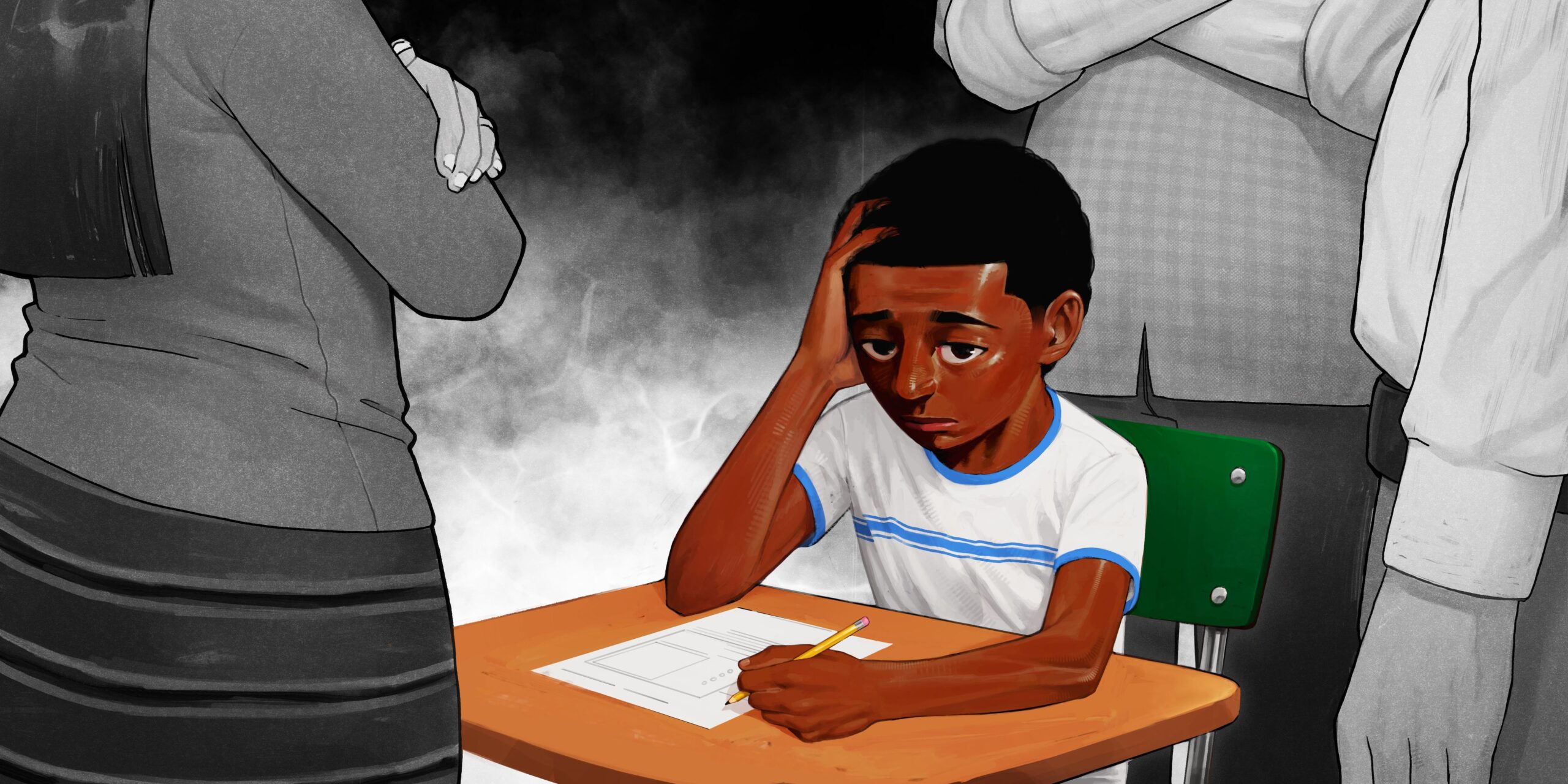
Real Alternatives: Ending Disciplinary Alternative Education
Thomas, a Black ninth grader from Louisiana, was required to transfer to an alternative school after he was shot. At the time of his exclusion, he had not been arrested or charged with any crime; instead, he was a victim of crime. After being discharged from the hospital, his home high school barred him from…
-
- Eliminating Poverty and Economic Inequality
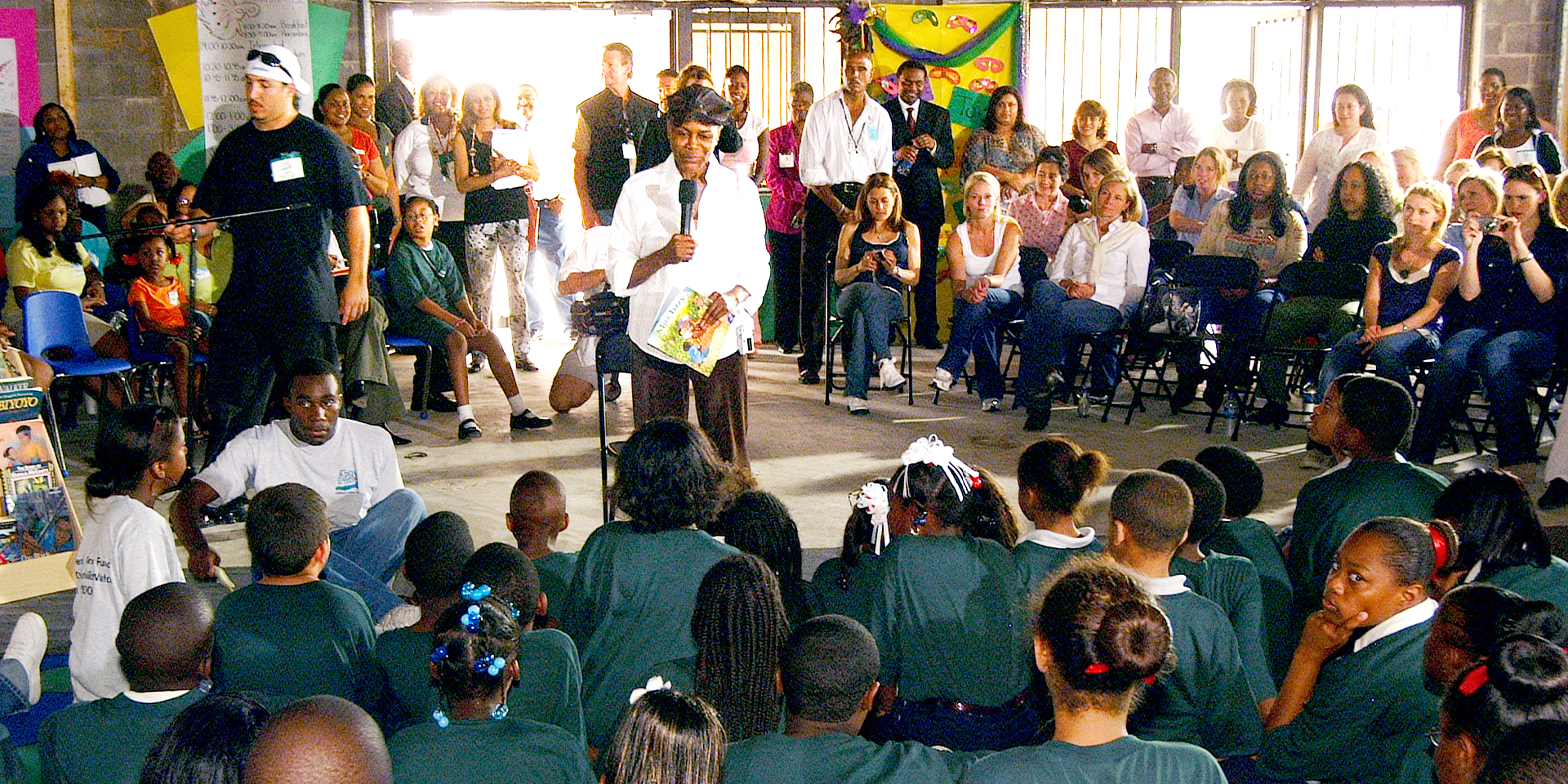
Making Recovery Last
Power has three faces. The first face — we see who won and who lost. The second face: who decides. To figure that out, you must ask who is benefiting and who is losing: the third face. This is when the deep structural contours of power emerge.” — Marshall Ganz on Steven Lukes’ “three faces…
-
- Eliminating Poverty and Economic Inequality
Exposing Gaps in Disaster Relief
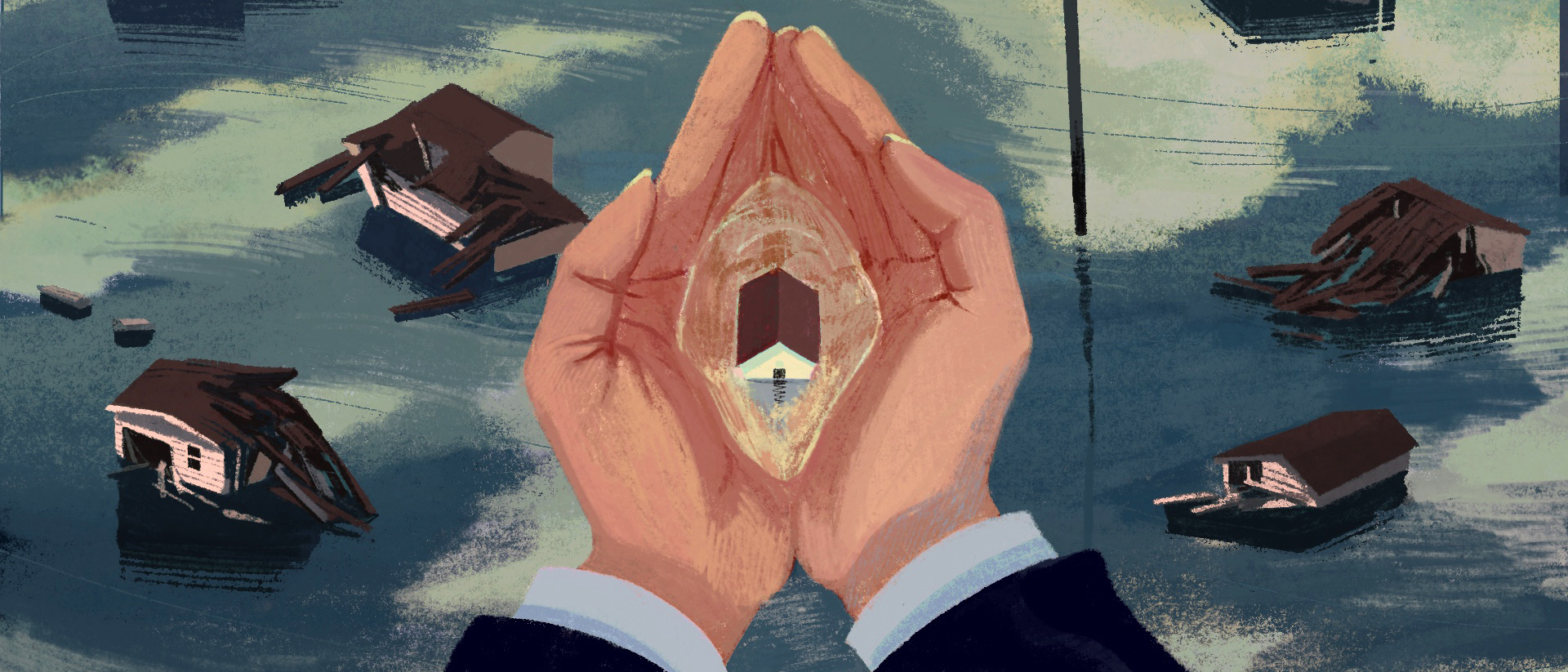
The time is now for federal funding to adequately support communities that are disproportionately impacted by natural disasters and climate change by focusing preparation and recovery efforts on rebuilding communities, not just rebuilding property.” In late August 2005, Hurricane Katrina, a storm with sustained winds of 125 mph when it made landfall, caused widespread destruction…
-
- Eliminating Poverty and Economic Inequality
Keeping the Power On
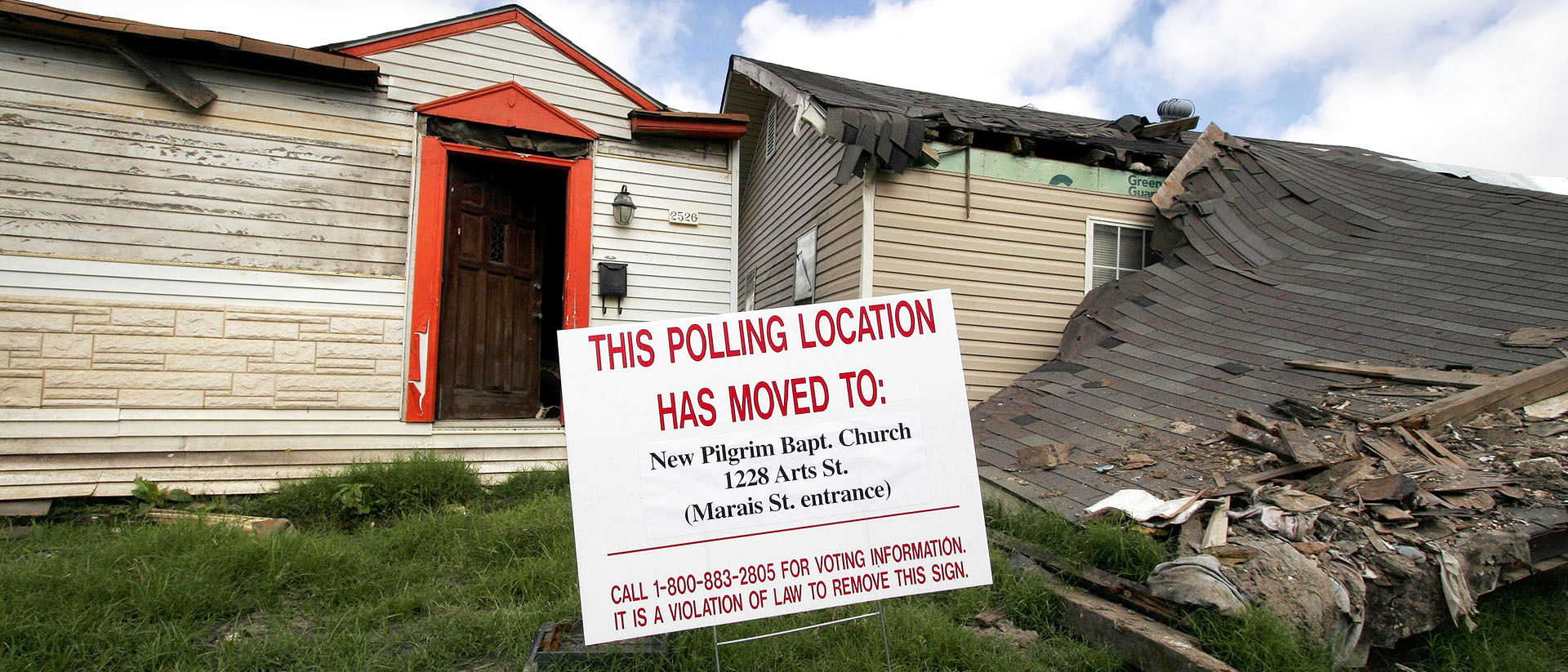
The storm’s impact of displacing thousands of voters depressed voter turnout to 36%, down 10 points from 2002.” Hurricane Katrina brought devastation to the Gulf Coast, with an estimated 1,392 fatalities, 300,000 homes destroyed, and over a million people displaced. The storm was responsible for over $125 billion in damages and an estimated $2.9 billion…
-
- Eliminating Poverty and Economic Inequality
From Katrina to Helene
Far-right groups seek to exploit natural disasters to spread conspiracy theories, slow government response, and present benign public personas.” In 2005, when Hurricane Katrina hit the Lower Ninth Ward in New Orleans, it didn’t just cause horrific flooding. It laid bare the structural racism in this country, with media coverage providing one example. At the…