

A community of Gullah-Geechee descendants on Sapelo Island, Georgia, are potentially facing a massive property tax increase that threatens to push them off their ancestral land and kick open the doors to massive development of the island into a vacation community for the wealthy.
At its regular meeting on Dec. 3, the McIntosh County Board of Assessors heard a proposal to drastically raise the assessed value on properties in the Hogg Hummock community, with the valuation of some lots slated to rise almost tenfold.
The effort to reassess the Hogg Hummock property is the latest move that could force Gullah-Geechee descendants from the island. The struggle to maintain the remaining Gullah-Geechee communities and their culture on the barrier islands along the Atlantic coast was the subject of the Southern Poverty Law Center’s Gullah-Geechee vs. Greed series, published in October. The new McIntosh County proposal would result in annual property taxes more than quintupling by 2028.
“You’re talking a tax bill of $1,800 going to about a $10,000 tax bill,” said Blair McLinn, chief appraiser for the McIntosh County Assessor’s office, at the meeting.
Rather than hit all at once, the proposed increases would occur over a period of three years, with one-third of the new valuation being added with each annual tax bill starting in 2026.
“It’s just doing a step-by-step reevaluation process to get the values correct, but doing it incrementally versus ripping off the Band-Aid,” McLinn said.
“We’ll be able to easily defend a 33% value,” McLinn said. “We can easily defend a 66% value. It’ll be harder in the third year.”
Augustus Skeen, a member of the board of assessors, said he expected swift legal opposition to the move.
“This thing has to be done right,” Skeen said. “Lawsuits are going to come. It doesn’t matter what you do.”

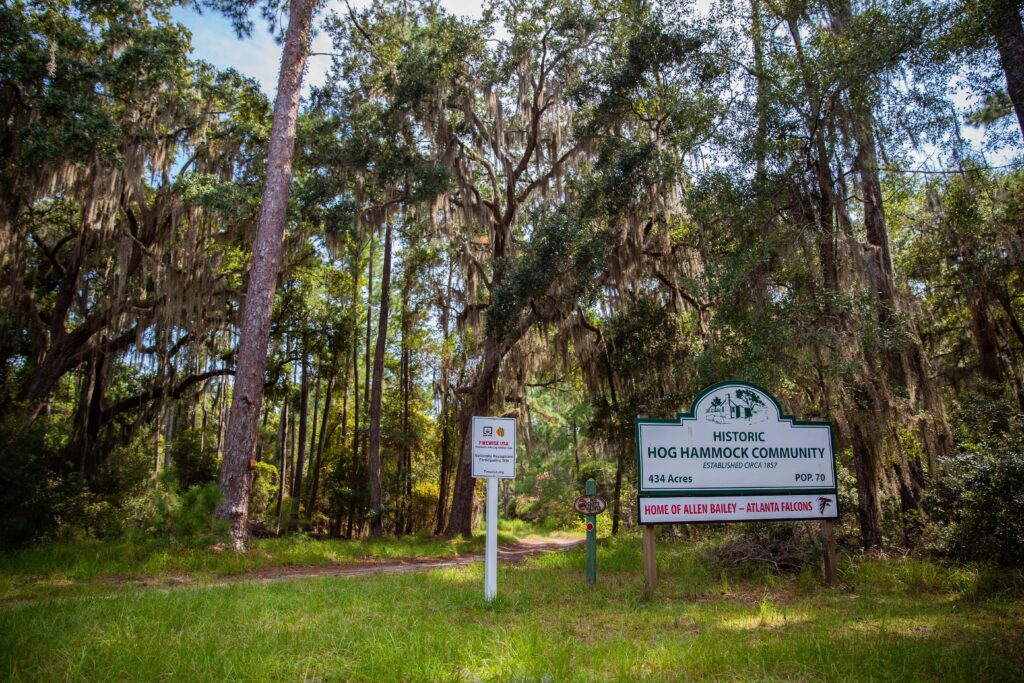
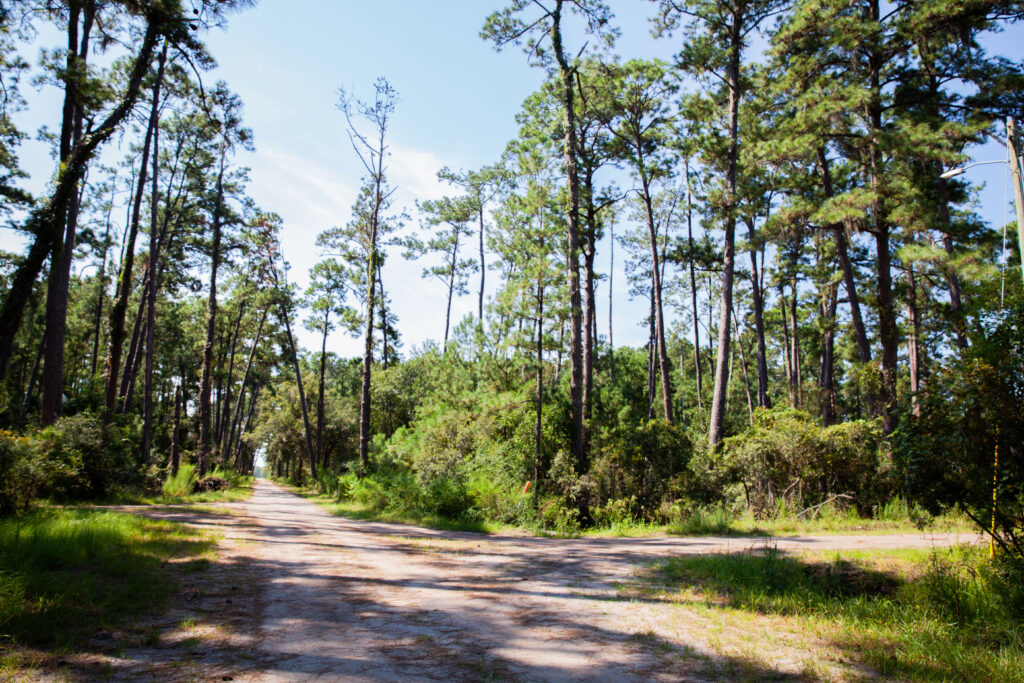
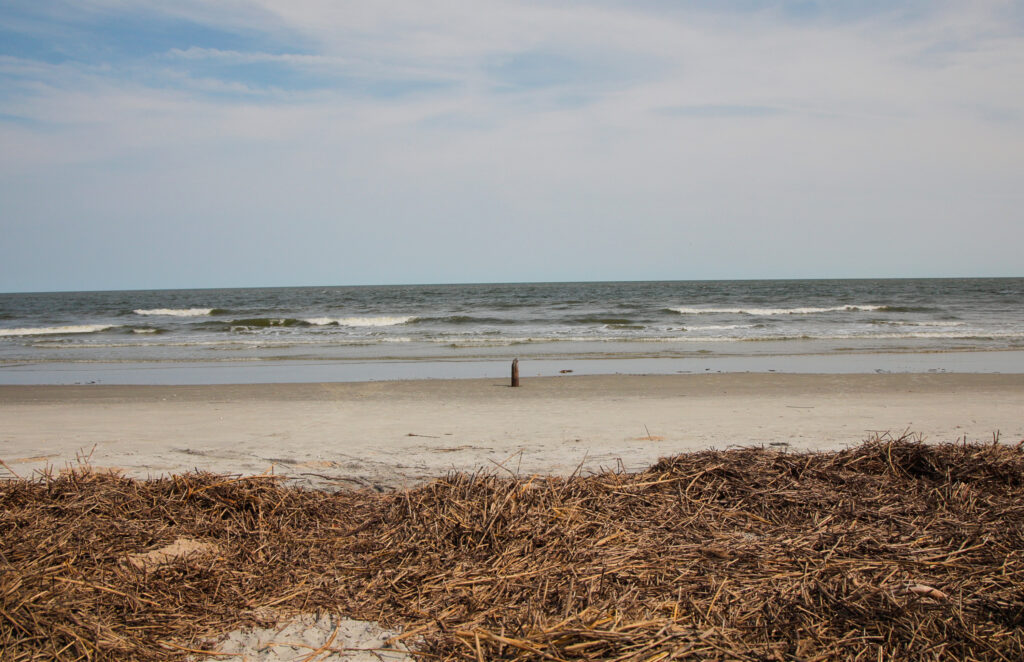
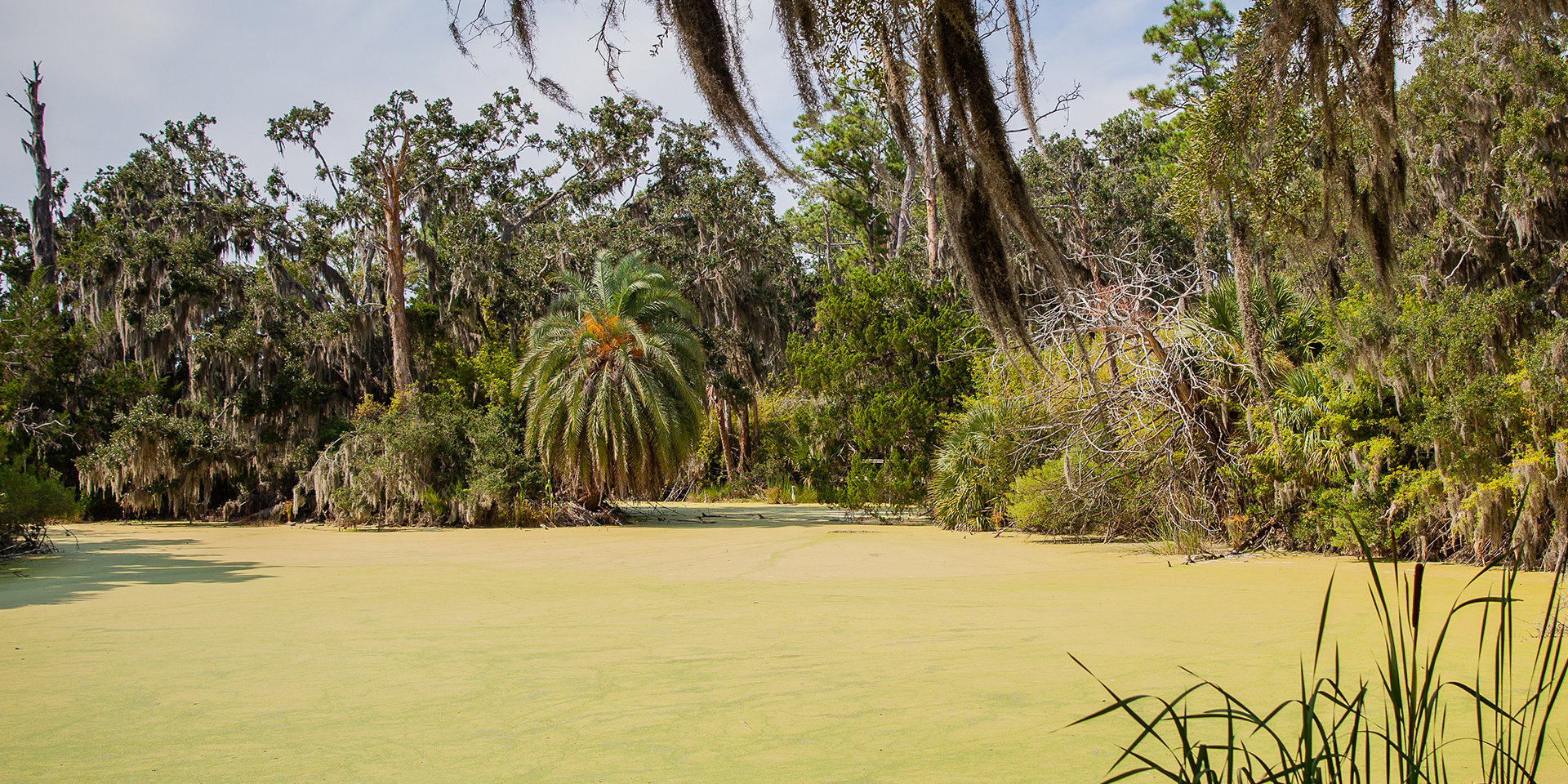
Images clockwise from top left: A pond near the University of Georgia campus on Sapelo Island; a community marker for Hog Hammock, aka Hogg Hummock, on Sapelo Island; Nanny Goat Beach on Sapelo Island; and a roadway on Georgia’s Sapelo Island. (Credit: Myisa Planc-Graham)
A meeting for Sapelo Island property owners to give feedback is scheduled for Dec. 17. Hogg Hummock resident and Geechee descendant Reginald Hall has already notified the board of his opposition. In his written response to the board, he said the move to increase the assessed value for properties on the island is an attempt to force out the Gullah-Geechee descendants who still call Sapelo Island home.
“The McIntosh County Board of Assessors is poised to explode property values through comprehensive re-assessment of its historic Hogg Hummock community only,” Hall wrote. “In so doing, McIntosh County is again forcing the members of the Gullah-Geechee community to litigate their very right to remain and exist.”
Hogg Hummock, which is listed on the National Register of Historic Places, is the last intact Gullah-Geechee community in Georgia’s Sea Islands. It is composed of direct descendants of enslaved people who were brought to Sapelo Island from West Africa in 1802.
In recent years, however, new investors and residents have eyed the barrier island as a development opportunity, much like Hilton Head Island off the South Carolina coast or St. Simons and other parts of the Sea Islands chain along the Georgia coast.
The Hogg Hammock zoning district was created in the 1990s. According to the county ordinance establishing the district, the goal was to ensure the Gullah-Geechee community would be able to remain on the island.
“This community has unique needs in regard to its historic resources, traditional patterns of development, threat from land speculators and housing forms,” according to the current McIntosh County zoning ordinance. “It is the intent of this district to reserve this area for low-intensity residential and cottage industry uses which are environmentally sound and will not contribute to land-value increases which could force removal of the indigenous population.”
Hall said the plan discussed on Dec. 3 runs counter to that goal.
“The county’s Board of Assessors appears to be pushing a new vision for Hogg Hummock reincarnated as ‘Sea Island Lite’ without formally amending the county’s long-range plan,” Hall wrote in his response to the board’s discussion. “The apparent plan is to remake Hogg Hummock into a ferry-gated wealthy vacationer community.”
Property taxes in the Hogg Hummock community had been frozen for 10 years after residents settled two lawsuits, one against the state in 2013 and a second against McIntosh County in 2022. Both lawsuits alleged government had failed to provide adequate water, emergency medical, fire, road maintenance, trash and accessible ferry services to members of the community while still collecting taxes for decades to pay for those services.
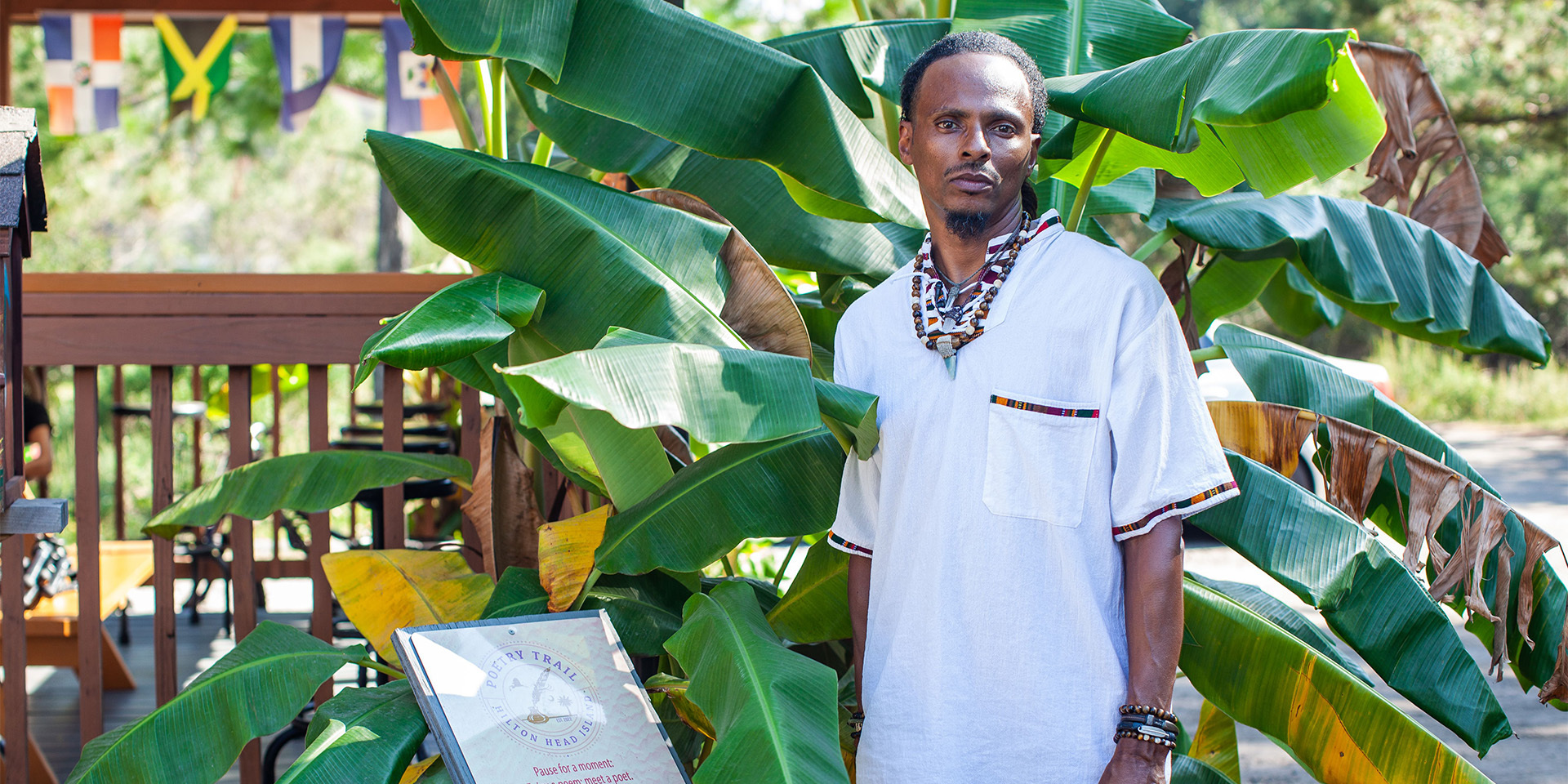
Image at top: Hogg Hummock resident and Geechee descendant Reginald Hall has written to the McIntosh County Board of Assessors to voice his opposition to a proposal that would drastically raise the assessed value on properties in Hogg Hummock. (Credit: Dwayne Fatherree)
Related Content
-
Gullah-Geechee culture, once isolated, now on the brink as world encroaches
-
On Hilton Head Island, Gullah people fight for their land — and their legacy
-
Sapelo Island’s Geechee community fighting to keep its culture and soul intact
-
Coastal elites push changes that threaten Gullah-Geechee communities, culture