
The Southern Poverty Law Center (SPLC) works to safeguard civil rights gains and build a more equitable and just society. Rooted in the South, where the legacy of the Civil Rights Movement continues to shape the struggle for racial equality, we partner with communities to dismantle white supremacy and strengthen intersectional movements to advance transformative policies and human rights for all.
Our work includes providing subject-matter expertise and technical assistance to partners, stakeholders, and state and local officials to drive impactful initiatives that ensure a future where Black and Brown communities are not only represented but deeply respected as part of a thriving democracy. We focus on:
- Eradicating Poverty: Protecting Social Safety Net Programs and Creating Pathways for Upward Economic Mobility
- Strengthen Democracy: Expanding Access and Ensuring Fair Representation
- Ending Over-Criminalization and Mass Incarceration: Favoring Community-Based Alternatives to Carceral Solutions and Transparency and Accountability for Law Enforcement Actors
- Countering Hate and Extremism: Ensuring Inclusive Education and Dignity for All
Eliminating Poverty and Economic Inequality
750,000Estimated number of Alabama residents who depend on SNAP benefits.
Congress has long recognized the importance of food security programs, especially for children. Like many national programs, the operation of security programs like the National School Lunch Program; Women, Infants and Children (WIC); and Supplemental Nutrition Assistance Program (SNAP) have been primarily funded by the federal government. However, following passage of “The One Big Beautiful Bill” in July 2025, a significant portion of the financial burden for these programs, will now shift to the states — increasing their administrative costs from 50% to 75% in FY27. The following year in FY28, states will be assessed additional costs based on the program’s error rate.
In FY27, Alabama’s total SNAP obligation is estimated to increase by $39 million — simply to maintain the state’s current service levels; and could rise to a total obligation of $168.9 million in FY28 based on the program’s error rate assessment.
An estimated 750,000 Alabamians, living at or below the federal poverty level, depend on an average monthly benefit of $192 to purchase groceries. Nearly 67% of participants are families with children, and more than 39% are families with members who are older adults or individuals with a disability. It’s a moral imperative that we do not leave children or families in need to go hungry.
In addition to SNAP, Congress created the summer EBT pilot in 2011 and made it permanent with broad bipartisan support in 2022. This program is specifically designed to fill the gap when school is out: More than 28 million children receive free or reduced-price school meals during the year, but only about one in six are reached by traditional summer meal sites. Proudly, Alabama was one of the first states to roll out the program in 2022 and has appropriated $10 million each of the last two fiscal years, adding $7.3 million to begin a universal school breakfast pilot in FY26.
It is a fundamental moral obligation, not an optional expense, to ensure that Alabama’s budget choices do not leave children, seniors or families in need to go hungry.
Recommendations:
- Fully fund Alabama’s increased share of SNAP administrative costs mandated under the federal One Big Beautiful Bill Act, without reducing eligibility, benefit levels, or access to the program.
- Provide adequate funding to continue the operation of summer nutrition programs and academic-year breakfasts for school-aged children, including seeking appropriate matching funds from the USDA annually, or as available, to continue vital programs.
- Direct all relevant local and state agencies to partner with schools, community organizations and health providers to identify and enroll eligible but unenrolled children and families in SNAP, WIC, Summer EBT and other anti-poverty programs.
- Require annual public reporting on participation, hunger indicators, and use of federal nutrition dollars to ensure Alabama is maximizing available federal funds for food security.
Eliminating Poverty and Economic Inequality
A key indicator of a thriving society is the health of its people. Access to affordable and quality health care is key to a family’s economic security. Sadly, medical bills remain one of the leading factors in a person or family’s decision to file for bankruptcy. Eradicating poverty starts with improving access to affordable health care.
10states, including Alabama, have not expanded Medicaid coverage to those falling into the health care access gap.
Yet, access to and affordability of health care coverage remains a significant barrier, particularly for Black people. Nearly 300,000 Alabamians would gain coverage if Medicaid were expanded to the federally supported level of up to 138% of the federal poverty level. Additionally, countless low-income residents, including children, have been unjustly removed from Medicaid rolls due to procedural failures.
Alabama is one of only 10 states that have not expanded Medicaid coverage to those falling into the health care access gap — despite it being cost-effective to do so. Benefits of Medicaid expansion include increased access to health care for people of color and people with disabilities, the preservation of rural community hospitals, and improved access to the basic health resources for communities that have been shut out of health care systems.
Medicaid expansion could also save Alabama’s rural hospitals struggling financially and at risk of closure. Driving factors for the crisis are a combination of rising costs of providing care and expenses related to uninsured community members. Easing their financial burden would prevent a health care desert by keeping the hospital and its well-paid jobs in the community, as well as boosting the local economy and schools.
To make matters worse, the One Big Beautiful Bill Act, passed in July 2025, declined to extend the tax credits for health care premiums paid toward plans accessed through the Affordable Care Act (ACA) marketplace. As a result, health care costs are set to skyrocket in 2026 for the nearly 480,000 Alabamians, about 9.3% of the population, enrolled in an ACA plan. As an example, a 60-year-old couple living in Montgomery, earning $85,000, will see their monthly premium for a Bronze Plan increase from $0 to $1,876. Further, because insurance providers anticipate that the unaffordable price jump will force many to drop out of coverage, they have increased costs in the private market as well.
Recommendations:
- Provide tax credits for hardworking Alabama families to ensure coverage and meaningful access to basic medical care.
- Authorize the expansion of Medicaid in a way that enables it to accept the federal funding available to do so, with coverage for adults with low incomes at least up to 138% of the federal poverty level and without added work requirements.
- Bundle Medicaid assistance with housing assistance to help people with low incomes who have disabilities get back on their feet.
- Improve state administration of Medicaid, including enrollment and redetermination processes, call centers, and associated IT services.
- Reduce costs and barriers to access, especially for low-income Black and Brown residents that live in rural, high-poverty counties.
Ending Unjust Imprisonment
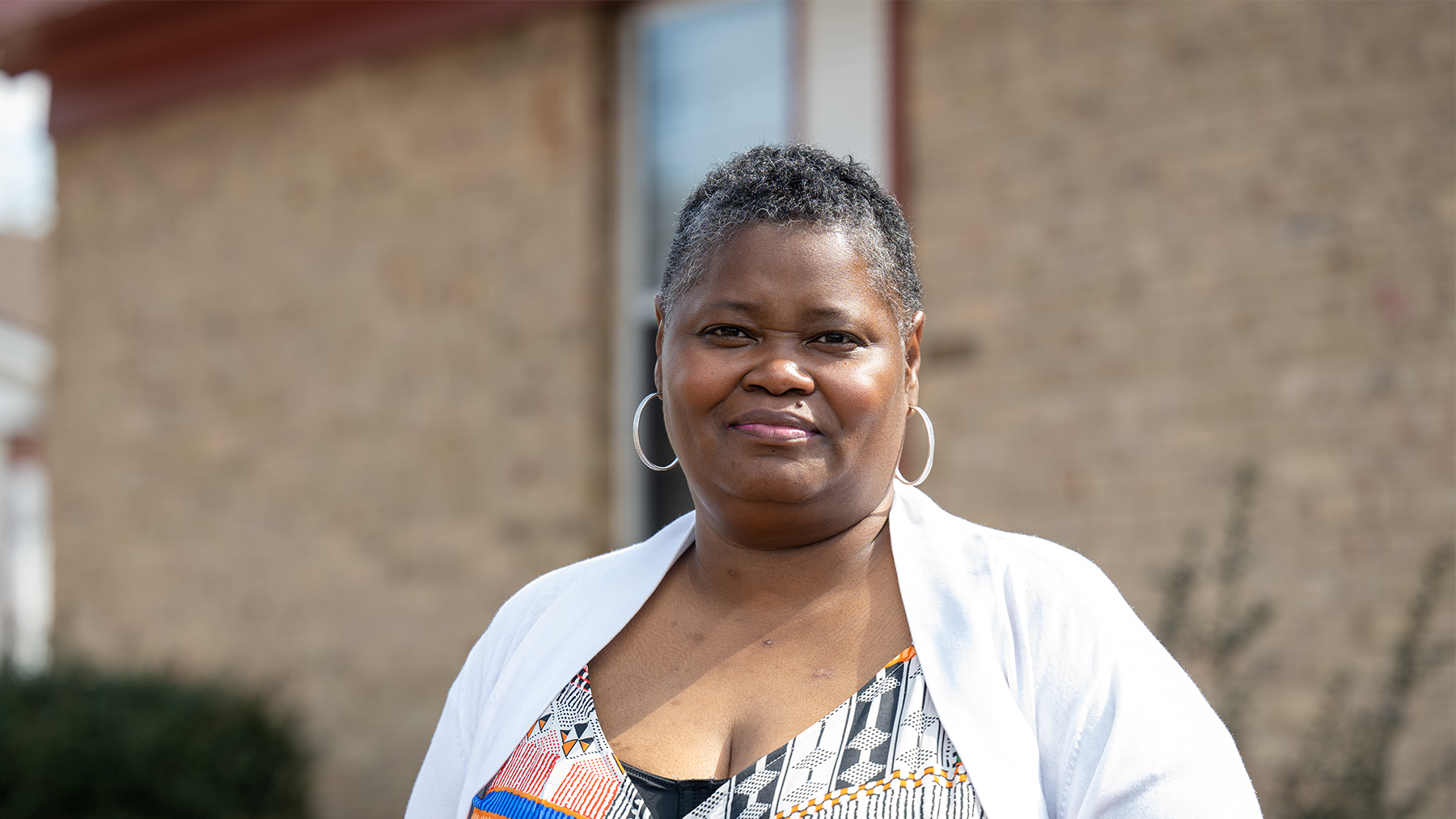
Being behind on a trash bill should not be a crime. Yet, in November 2022, Alabama made international news when an 82-year-old resident of the city of Valley in Chambers County was handcuffed and arrested at her home for owing $77 in garbage service fees. Additional reporting revealed that she was one of hundreds of residents arrested for nonpayment of trash fees over two decades. In Chickasaw, dozens of residents were prosecuted for failure to pay trash fees and were not allowed to start a payment plan to settle their accounts. Although the local prosecutors in both cities have since stopped prosecuting these cases, because of authority granted under state law, thousands of Alabamians remain at risk of arrest and criminal prosecution for missing even a single trash payment, regardless of their household’s financial situation.
Story
Alabama town uses ‘debtors’ prison’ for people who fall behind on garbage bills
The city of Valley has been arresting its citizens for years over past-due trash bills.
Our advocacy led to the adoption of a local bill in Lee County during the 2025 regular session that protects low-income families who are unable to pay their trash fees from municipal prosecutions. Now, as families across the state face wage stagnation and tighter budgets, it’s imperative that these same protections are afforded to households in all of Alabama’s 67 counties.
Recommendations:
- Eliminate all criminal and civil penalties for failure to pay utilities fees by Alabamians living at or below the federal poverty level.
- Ensure continued access to trash, water and sewer services for those with limited financial resources.
Eliminating Poverty and Economic Inequality
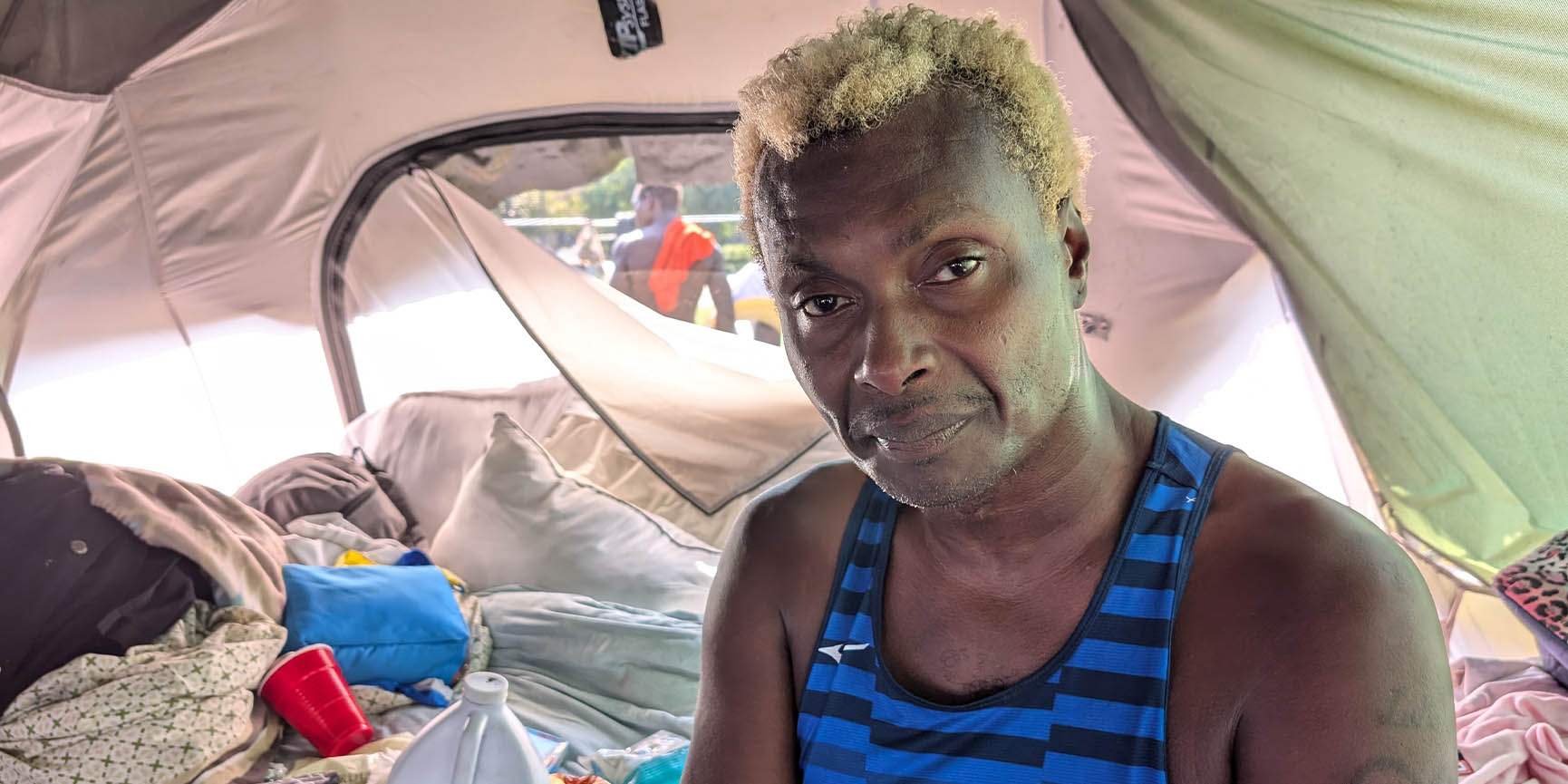
Instead of investing last year’s record budget surplus in policies to make housing more affordable or improving access to quality mental health and substance abuse treatment, in 2024 the Legislature voted to criminalize unhoused persons seeking assistance from their local communities along public roadways. Alabamians deserve a safe and affordable place that they can call home. And far too many residents are struggling without shelter or find themselves one surprise financial emergency away from being without a home themselves. Choosing to invest in the development of more affordable housing units and pursuing alternative approaches to temporary housing that provide dignity and stability are methods that have proven to work across the country because they allow individuals to regain financial footings and reintegrate into their communities.
Story
Advocates seek aid for unhoused people in Alabama’s ‘Rocket City’
In 2022, the SPLC partnered with Love Huntsville to raise concerns about the city’s decision to close a homeless encampment without sufficient notice.
In 2012, the Legislature established the Alabama Housing Trust Fund, which could be used to support the construction, renovation and maintenance of affordable housing for Alabamians whose incomes are below 60% of their area’s median family income. However, the Legislature failed to allocate funding or ensure the fund had a renewable revenue source. Now, 13 years later, the Housing Trust Fund remains unfunded, and thousands of hard-working Alabama families continue to struggle to secure a place that they can call home. Similarly, there are opportunities for city and county leaders to prioritize safe and affordable housing, working with their state and federal counterparts toward financial investments that increase the availability of housing units that are financially accessible, help provide economic upward mobility for families and benefit the economic viability of the entire community.
Recommendations:
- Appropriate funding to Alabama Housing Trust Fund or similar state or local programs to increase the amount of quality and affordable housing options for low-income and working-class Alabama families.
- Reinforce the dignity of Alabamians by using the millions of dollars received from the U.S. Department of Housing and Urban Development (HUD) to ensure rapid-response, temporary housing and wrap-around services — including substance abuse and mental health treatment — are easily accessible to Alabamians experiencing temporary homelessness.
- Address the needs of local unhoused populations and the drivers of homelessness, rather than passing criminal penalties or establishing encampment areas.
Strengthening Democracy and Voting Rights
Voting should be a simple, convenient process that allows every eligible voter to easily participate. But too often in Alabama, this is not the case. Onerous voter ID requirements, polling precinct changes, and the closure of nearly half of the DMV offices in majority-Black counties who issue that documentation mean that even simply voting in person on Election Day remains a challenge. Furthermore, unlike other Southeastern states, Alabama’s early voting is limited to the cumbersome, excuse-required absentee process. The law requires a voter to declare, under penalty of perjury, that they will be unable to vote in person due to travel, disability, deployment, employment duties or incarceration (but are still otherwise eligible to vote). Additionally, we’ve seen increases in registered, active voters being purged from voter rolls and precincts, far too frequently, having ballot issues on Election Day.

Report
Natural Disaster Risk & Election Administration
The Under the Radar report presents an analysis of the risk types and areas in the Deep South, as well as a survey of how such disasters impact elections infrastructure.
In response to these obstacles, the SPLC, working in collaboration with community partners through the Alabama Voting Rights Coalition, drafted a state Voting Rights Act. Our bill would codify key provisions from the landmark 1965 Voting Rights Act that have been eroded since Shelby and Brnovich, including preventing vote dilution, strengthening voter intimidation protections, and creating a state “preclearance” program that requires local governments with records of discrimination to prove that certain voting changes will not harm voters of color before they can go into effect. Additionally, we will partner with local election administration officials to ensure they are able to fulfill their main objective — providing a smooth and efficient process for all Alabama voters.
Recommendations:
- Preserve and expand funding for better election administration.
- Authorize automatic and same-day voter registration policies.
- Permit no-excuse absentee voting.
- Establish preclearance procedures to safeguard voters against changes that make it harder for Black and Brown Alabamians to vote.
- Restore voting rights to individuals with past criminal convictions and ensure that all eligible voters in jail or prison have ballot access.
Eliminating Poverty and Economic Inequality
54total number of people in Alabama granted parole in September 2024 out of 219 eligible applicants
In 2017, a federal court order declared Alabama’s entire state prison system to be unconstitutional after a lengthy investigation by the U.S. Department of Justice revealed scathing details of systemic failure and shocking violence. In the years since, very little has changed. The Alabama Department of Corrections remains in a state of crisis; we continue to read news coverage of violence and inmate death tolls and prison officials arrested for bringing drugs into facilities — most recently captured on film in the HBO documentary The Alabama Solution.
The prison system’s brutal legacy stems from a long and detailed history of overly harsh sentencing practices rooted in “tough on crime” attitudes which have resulted in significant overcrowding and persistent understaffing. Lawmakers need to take a holistic approach that addresses horrific conditions that the construction of new prisons cannot solve. Despite spending nearly $1 billion on one new prison facility (still under construction and millions of dollars over budget), Alabama’s correctional facilities will remain well over capacity and understaffed. We need comprehensive, meaningful reforms that will reduce our prison population. We can start by overhauling our broken parole system and investing more in community-based services.
A parole hearing is not an opportunity to retry the case. Alabama’s prisons are overcrowded, in part, because of a drastic reduction in paroles. During Leigh Gwathney’s tenure as Pardons and Paroles board chair, the parole grant rate dropped from 54% in 2018 to 25% in September 2024 (54 grantees out of 219 eligible applicants). For fiscal year FY24 in the most recently available data, white applicants were 37.3% more likely to be granted parole than Black applicants. Additionally, 10% of people incarcerated in Alabama prisons are over age 60, while the department continues to be one of the largest mental and medical health care providers in the state due to its ill and aging population. In fact, once completed, the new prison facility in Elmore County will be the third-largest health care facility (by bed count), only behind UAB Hospital and Huntsville Hospital. Medical costs in ADOC increased by approximately $70 million between FY20 and FY24. Without meaningful reforms to the parole process, our state prison population will continue to skyrocket, leaving incarcerated people who have completed educational requirements, people with supportive home plans, or people who have gained additional job skills while incarcerated without any opportunities for release.
Recommendation:
- Make the parole guidelines — the factors used to determine parole eligibility — presumptive to ensure compliance by the Board of Pardons and Paroles and to remove the impact of racial biases.
- Create avenues — not to be mistaken with automatic release — for individuals who are ill or elderly to be considered for parole.
- Allow incarcerated people to virtually participate in their own parole hearings like almost every other state provides.
- Remove structural barriers to reducing recidivism (reoffending within three years of release) and increase investments in mental health and reentry programs
- Prioritize community-based alternatives and citations in lieu of arrest for drug offenses.
Eliminating Poverty and Economic Inequality
In recent years, we witnessed certain activists and politicians advance racist strategies and attack anti-discrimination policies in K-12 and higher education settings. Public libraries are being forced to remove material from their shelves. It is by no accident that we are witnessing this attack after several years of racial reckoning. Our children deserve an honest education about race and racism in this country. Attempts to quash these conversations are attacks on democracy, justice and community, and they don’t allow us to deal frankly with our past or future. Students must learn the full picture of U.S. history, especially when it does not live up to our shared values. We must acknowledge that while our country was founded on the ideals of liberty, freedom and equality, it was, simultaneously, being built on slavery, exploitation and exclusion.
In addition to efforts to erase Black history from schools and libraries, we have also seen harmful polices that target the health and well-being of LGBTQ+ youth in Alabama. Over the past four years, the Alabama Legislature has passed multiple bills aimed at forcing children to assimilate into identities deemed acceptable by the super-majority. Laws that prevent children from openly expressing themselves at school, playing on sports teams with their peers, or using the restroom in which they feel safe creates an environment where LGBTQ+ kids and their families are faced with difficult decisions about their educational futures and well-being.
Recommendations:
- Reject the politicization of education. Instead, embrace the importance of encouraging students and youth to learn about Black history and the diversity of the United States, including an honest account of its histories, races, and cultures.
- Support the dignity of LGBTQ+ individuals, particularly youth. Reject any policies that further harm children by censoring their personal expression, denying them access to educational materials, or otherwise put them at greater risk of bullying or self-harm.
- Retain the independence of local libraries as safe havens within their communities.
- Increase funding and support for public schools and provide policy changes to reduce racial and socioeconomic inequities.
Image at top by Daniel Vorndran